

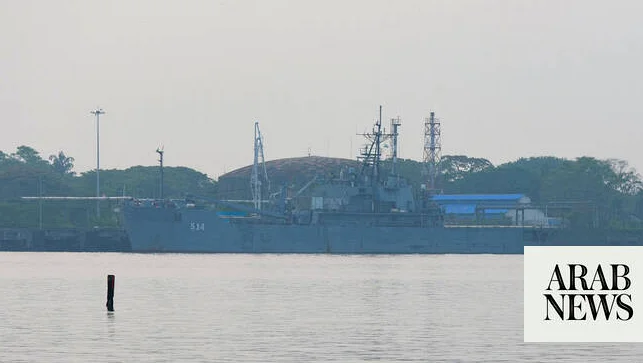
India has allowed three Iranian ships to dock at its ports, a decision made on March 1 and confirmed by Foreign Minister Subrahmanyam Jaishankar during a parliamentary address on Monday. The move has drawn attention as it comes amid heightened geopolitical tensions in the region.
Iranian Ships Arrive at Kochi Port
One of the three Iranian ships arrived at India’s southern port of Kochi on March 4. The vessel’s crew was reportedly at Indian naval facilities, according to Jaishankar. The minister emphasized that the decision to permit the docking was based on a careful evaluation of strategic and diplomatic considerations.
Strategic and Diplomatic Considerations
India’s foreign minister stated that the government believed it was the ‘right thing to do’ to grant permission for the ships to dock. This decision aligns with India’s broader foreign policy of maintaining open channels with all regional actors, even those with whom it has complex relationships.
Jaisankar noted that the move was not only a diplomatic gesture but also a practical one, ensuring the safety and security of maritime trade in the region. He added that India has always prioritized the protection of its interests while supporting good relations with its neighbors.
Impact on Regional Trade and Relations
The arrival of the Iranian ships at the Kochi port has raised questions about the implications for regional trade and diplomatic relations. Analysts suggest that the move could signal a shift in India’s approach toward Iran, particularly in light of ongoing tensions with Pakistan and the United States.
India has been balancing its relationships with both Iran and the U.S. While it has maintained a strategic partnership with the U.S., it has also sought to preserve its economic ties with Iran, particularly in energy and trade. The docking of the Iranian ships could be seen as an effort to maintain this delicate balance.
According to a report by the Indian Institute of International Relations, the decision to allow the ships to dock is part of India’s broader strategy to ensure the flow of maritime trade through the Indian Ocean. The report highlights that India is a key player in regional maritime security and that its policies are shaped by a desire to maintain stability in the region.
Jaishankar emphasized that India’s decision was not taken lightly and was based on a thorough assessment of the situation. He said that the government is committed to ensuring that all actions taken are in the best interests of the country and its citizens.
What’s Next for India-Iran Relations
With the arrival of the first of the three Iranian ships at Kochi, attention now turns to the potential implications for future interactions between India and Iran. Analysts suggest that the move could pave the way for more frequent maritime engagements between the two countries.
The Indian government is expected to continue monitoring the situation closely and may take further steps to ensure that all maritime activities are conducted in a manner that aligns with national interests. The decision to allow the docking of the ships has also sparked discussions about the role of India in regional security and trade.
According to officials, the next phase of India’s engagement with Iran will depend on the outcomes of ongoing diplomatic talks and the overall geopolitical climate in the region. The Indian government is likely to continue its approach of balancing relationships with all key players while safeguarding its own interests.
Jaisankar reiterated that India’s foreign policy is guided by the principles of non-alignment and multilateralism. He said that the government will continue to pursue policies that promote peace, stability, and prosperity in the region.



Comments
No comments yet
Be the first to share your thoughts