

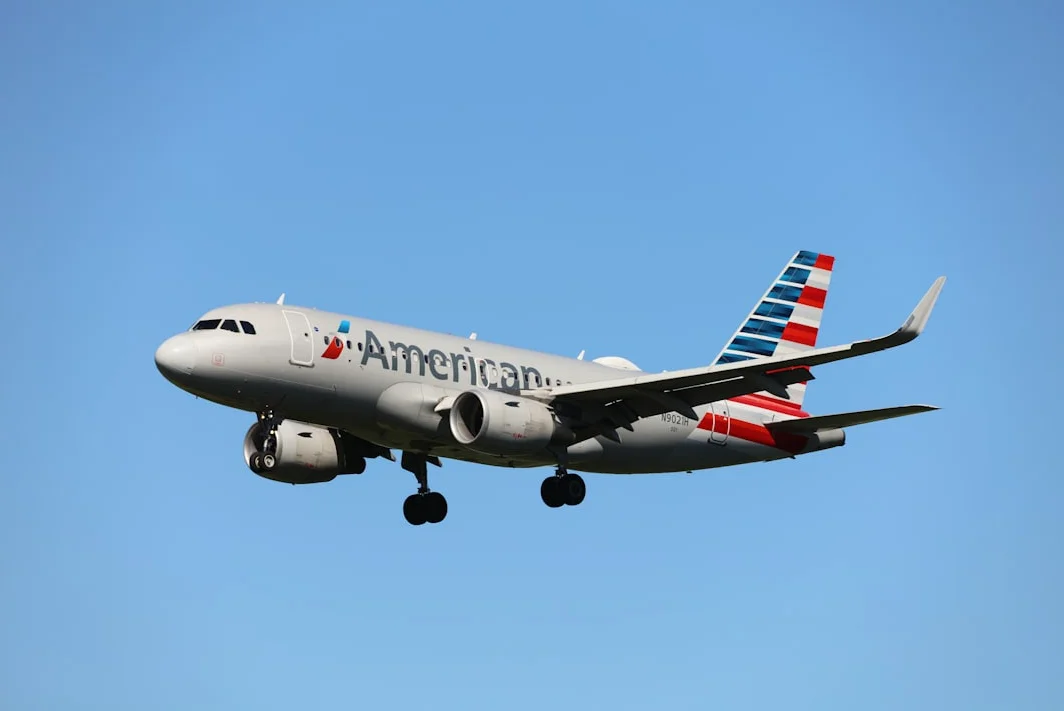
American Airlines is intensifying its focus on premium travelers as it seeks to narrow the profitability gap with its top U.S. rivals, Delta Air Lines and United Airlines. The carrier announced it will increase the number of premium seats on narrow-body aircraft, aiming to raise the percentage from around 25% to 40% in the coming years. In addition, the airline plans to reintroduce seatback entertainment screens, a move it hopes will help boost revenue per passenger.
Strategic Moves to Compete
As part of its broader strategy to improve performance, American Airlines will launch a new transpacific route between Chicago O’Hare International Airport and Tokyo Narita beginning March 27, 2027. The flight, operated by a Boeing 787-9 Dreamliner, will feature 30 Flagship Business seats and 21 Premium Economy seats, targeting business travelers and premium leisure customers. This marks the first nonstop service to Asia from Chicago since the pandemic ended and is part of a larger airport redevelopment at O’Hare, where American has added more than 30 new destinations and invested in premium facilities like the Admirals Club.
While American Airlines is expanding its footprint, it continues to lag behind Delta and United in profitability. In the second quarter of 2024, the airline generated nearly half of its ticket revenue from premium passengers, despite those passengers occupying only about 30% of seats. Meanwhile, United’s CEO Scott Kirby, who was once fired by American a decade ago, has pushed for megamergers with both American and Delta, though these efforts have not gained traction with antitrust experts or regulatory bodies.
Financial Challenges and Recent Volatility
Despite recent gains in revenue, American Airlines faces financial headwinds, while the company reported its best quarterly revenue in history at $16.7 billion in the second quarter, a 16% increase from the previous year. However, rising fuel prices have since tempered expectations. CFO Devon May noted on a recent earnings call that the company had initially projected pre-tax profits near $1.5 billion for the year, four times its 2025 forecast — but current fuel price trends have forced a downward revision.
According to a TIKR model, American Airlines’ stock is expected to reach $21 by December 2030, representing a total return of 33% and an annualized return of 7%. While the stock has gained 68% in one quarter, it has since retreated to around $16 as of August 7; the airline’s shares have only risen 3% year-to-date, reflecting the volatility of the sector.
Operational and Safety Incidents
On a different front, American Airlines recently dealt with an in-flight emergency when a passenger’s electronic device caught fire on a flight from Atlanta to Dallas-Fort Worth. The pilot reported smoke and fire in the rear of the cabin during landing, as Flight attendants contained the situation, and the aircraft landed safely — One passenger was treated for injuries and later released. The aircraft used its own power to taxi to the gate, and emergency personnel were on hand as part of standard procedure; American praised the crew for its “professionalism and swift response.”
The incident exposes the operational challenges airlines face, especially with increasing numbers of devices carried on board, as Meanwhile, American’s leadership continues to face pressure from employee unions. Both the flight attendants and pilots’ unions have questioned the effectiveness of the current management under CEO Robert Isom, with the flight attendants calling for a leadership change earlier this year. Isom acknowledged a “significant gap” between the company’s performance and its goals in a recent restructuring of senior leadership.






Comments
No comments yet
Be the first to share your thoughts