

 BBC
BBC 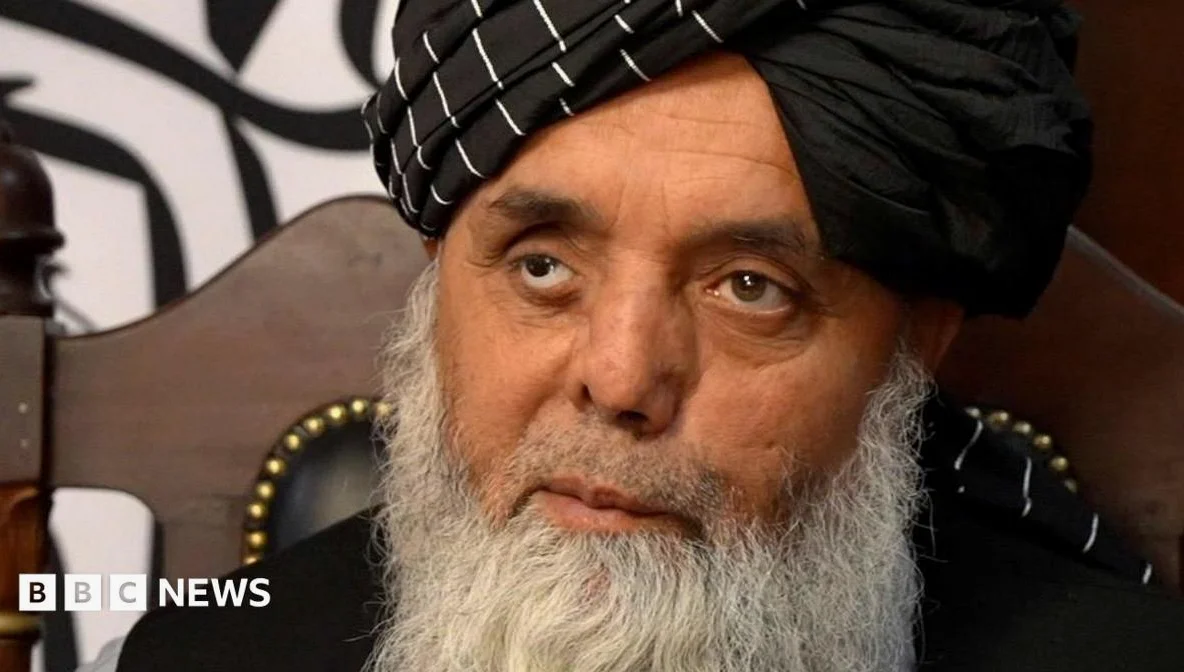
Under the Taliban’s rule, personal autonomy is significantly restricted, especially for women; a BBC report highlights how Governor Sarhadi in Afghanistan is advising a woman named Tuba,whose name has been changed for privacy,against seeking a divorce. He warns her that finding a new husband could be difficult after a divorce, stating, ‘Ask yourself: ‘Who would marry me after I get my divorce?’
Financial and Legal Barriers to Divorce
Tuba’s husband demands four times the dowry amount that was initially paid during their marriage, a financial burden her family is unwilling to accept, but According to Sharia law, a woman seeking a divorce may be required to return some of the dowry. The governor suggests that a compromise is necessary to maintain her dignity and honor, but Tuba insists her honor has already been compromised. Her father later tells the BBC that the family plans to pursue the divorce through the courts, despite the difficulty of doing so without the husband’s consent under the Taliban’s legal system.
Smartphone Regulations and Control
Smartphones, which have become ubiquitous in many parts of the world, are subject to strict regulation in Afghanistan under the Taliban; the BBC report notes that the government’s control extends into technology, with rules that limit how people use their devices. While the specifics of these regulations are not detailed, they reflect the broader pattern of control the Taliban exerts over daily life.
Personal Backgrounds and Governance
Governor Sarhadi has a complex personal history, but During the Taliban’s first period in power in the 1990s, he served as a military commander; After the US-led coalition ousted the Taliban in 2001, he was among the thousands of insurgents who surrendered. He was detained for several years at Guantanamo Bay but was eventually released, but With the Taliban’s return to power, Sarhadi became a governor in Bamiyan province and later in Sheberghan city in Jawzjan province. He has recently taken on the role of deputy commander of a military corps in Kunduz province.
Despite his high-profile position, Sarhadi appeared uneasy during the BBC interview, particularly when discussing the past violence associated with the Taliban — the interaction with Tuba and her family revealed tensions between the ruling authorities and the people they govern.



Comments
No comments yet
Be the first to share your thoughts