

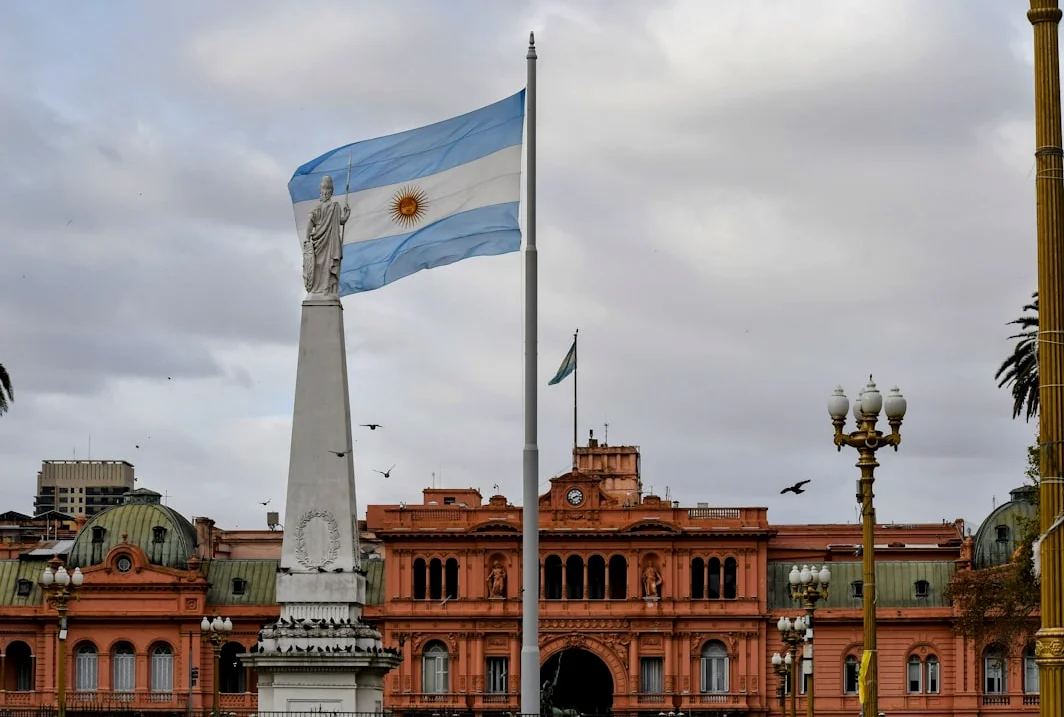
Historical Context and Ongoing Search for the Disappeared
Argentina’s military junta. Which ruled from 1976 to 1983. Disappeared an estimated 30,000 people, many of whom were political dissidents, journalists, and activists. According to the Buenos Aires Times. The government has called for a ‘complete history’ of the dictatorship era, yet the search for the disappeared remains incomplete. The Los Angeles Times notes that families continue to uncover new victims, with recent identifications adding to the pain of those who have waited decades for answers.
The Guardian highlights the emotional toll on families, describing the search as an ‘open wound’ that has not healed. According to the Buenos Aires Times. Survivors and descendants have organized marches and vigils to keep the memory of the disappeared alive, demanding justice and accountability from the current government, but these efforts have gained momentum as new evidence surfaces, prompting renewed calls for transparency.
According to the Los Angeles Times. The search for the disappeared is not only a historical issue but also a legal one. The government has faced criticism for its handling of the issue, with some arguing that the current administration, led by President Javier Milei, has not done enough to address the legacy of the dictatorship. The Buenos Aires Times reports that Milei’s government has called for a ‘complete history’ of the period, but critics say this does not go far enough in acknowledging the atrocities committed.
Current Government’s Stance and Public Reaction
President Javier Milei’s administration has taken a controversial stance on the issue, according to the Buenos Aires Times. Milei has called for a ‘complete history’ of the dictatorship era, but some argue that his approach is insufficient in addressing the suffering of the victims’ families. The Los Angeles Times reports that Milei’s government has faced criticism for not taking stronger action to investigate the disappearances and hold those responsible accountable.
According to the Guardian, the current government’s approach has been met with mixed reactions. Some view Milei’s call for a ‘complete history’ as a positive step toward reconciliation, while others see it as an attempt to sanitize the dictatorship’s legacy. The Buenos Aires Times notes that public sentiment is divided, with some citizens supporting Milei’s efforts and others demanding more concrete actions to address the issue.
The Guardian highlights the emotional impact of the current political climate on families of the disappeared. According to the newspaper. Many feel that the government’s focus on economic reforms has overshadowed the need to address the legacy of the dictatorship. The Los Angeles Times reports that civil society organizations continue to push for greater transparency and accountability, despite the challenges posed by the current administration.
International Attention and Legal Efforts
Argentina’s issue with the disappeared has drawn international attention, with organizations such as the United Nations and human rights groups calling for justice. According to the Buenos Aires Times, the government has been under pressure to comply with international standards on human rights, particularly regarding the investigation of past atrocities. The Los Angeles Times reports that recent legal efforts have focused on prosecuting those responsible for the disappearances, though progress has been slow.
The Guardian notes that the international community has been watching closely as Argentina grapples with the legacy of the dictatorship. According to the newspaper, the current government’s stance on the issue has been a point of discussion in global human rights forums. The Buenos Aires Times highlights that the government has faced criticism from international bodies for not doing enough to address the issue, despite its calls for a ‘complete history’ of the dictatorship era.
According to the Los Angeles Times, legal efforts to bring those responsible to justice have faced numerous obstacles, including the passage of time and the lack of evidence in some cases. The Buenos Aires Times reports that some victims’ families have turned to international courts, seeking redress for the harm caused by the dictatorship. The Guardian highlights that these legal battles are ongoing and have not yet yielded significant results for the families involved.
Why It Matters and What’s Next
The issue of the disappeared in Argentina is not just a historical footnote but a living legacy that continues to shape the country’s political and social landscape. According to the Buenos Aires Times, the current government’s approach to the issue will have long-term implications for national reconciliation and the rule of law. The Los Angeles Times reports that the search for the disappeared remains an important part of Argentina’s national identity, with families and activists working to ensure that the memory of the victims is not forgotten.
The Guardian emphasizes that the fate of the disappeared remains an open wound for many families, and the government’s response will be critical in determining the path forward. According to the newspaper, the upcoming legal and political developments in Argentina could have significant implications for the country’s relationship with the international community and its own citizens. The Buenos Aires Times highlights that the current administration’s actions will be closely watched by both domestic and international observers, as the issue of the disappeared continues to be a central part of Argentina’s national conversation.
As the 50th anniversary of the military coup approaches, the search for the disappeared remains an urgent priority for many in Argentina. According to the Los Angeles Times, the government’s response to the issue will be a key factor in shaping the country’s future. The Buenos Aires Times reports that families and activists are calling for continued efforts to identify the missing and bring those responsible to justice, ensuring that the legacy of the dictatorship is not forgotten.





Comments
No comments yet
Be the first to share your thoughts