

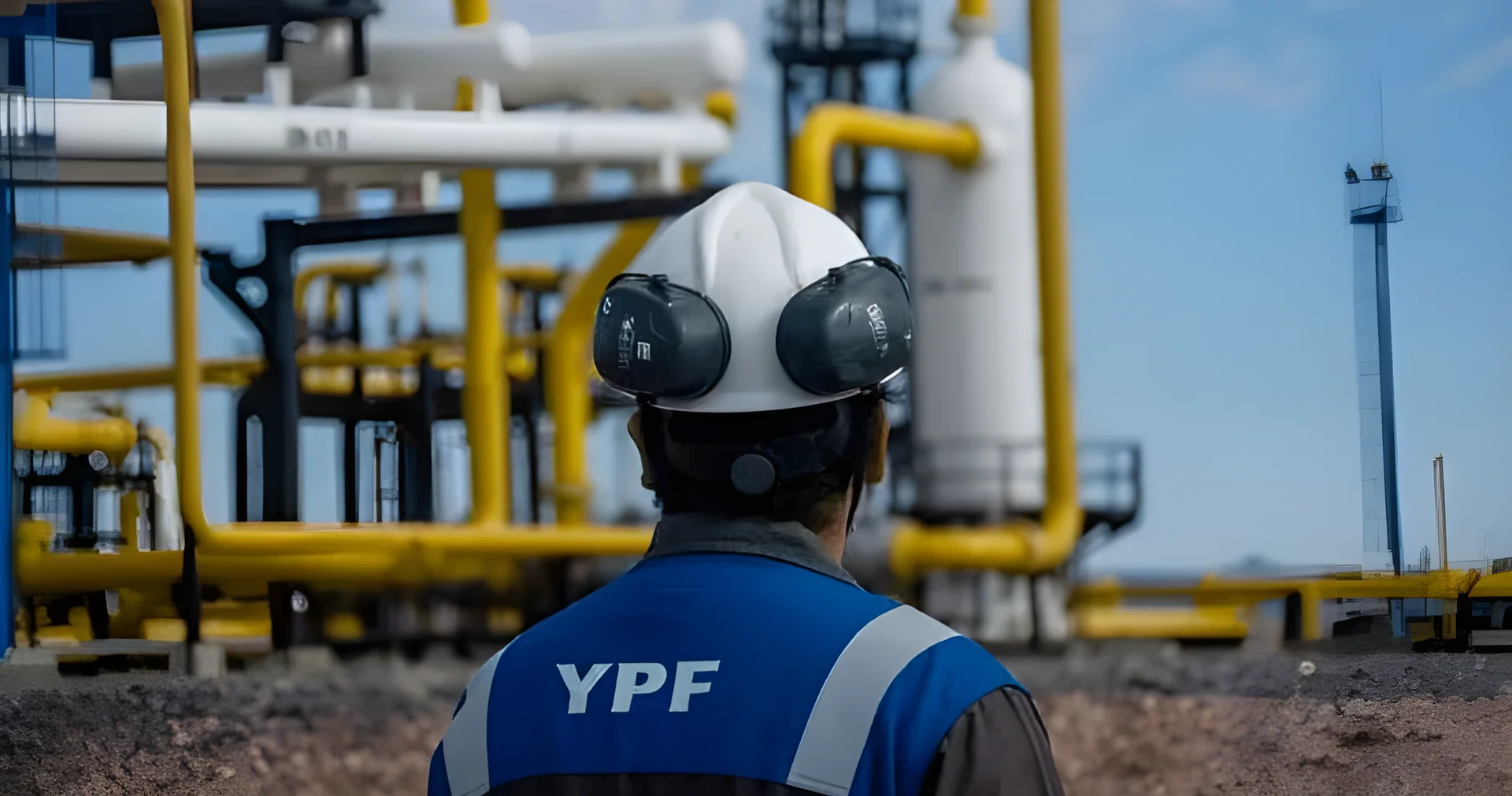
Argentina has set a new record for monthly crude oil production, reaching 4,262,675 cubic meters in January, according to official data cited by local media outlets. This surpasses the previous high of 4,245,403 cubic meters recorded in December 2025, marking a significant uptick in the country’s energy output.
Shale Drives Growth in Neuquén Province
The increase is largely attributed to the rapid development of unconventional oil sources, particularly in the Vaca Muerta shale formation. According to Argentina’s Economy Ministry, the country’s average daily oil production reached 882,200 barrels in January, representing a 16.5% year-over-year increase. Production in Vaca Muerta rose by 35.5% compared to the same period in 2025.
Neuquén province, home to the majority of Argentina’s shale production, accounted for 69.7% of the national total, with output of 2,971,259 cubic meters. This marks a year-over-year growth of approximately 32%, according to data from the Energy Secretariat.
In contrast, traditional oil-producing provinces experienced declines. Chubut saw a 6.5% drop in production, while Santa Cruz and Mendoza recorded year-over-year decreases of 21.5% and 10.6%, respectively. Río Negro, though still a minor producer, managed a 7% annual increase in output.
Global Tensions Drive Oil Prices Higher
The surge in Argentina’s oil production coincides with rising global oil prices, which have climbed above $80 per barrel due to escalating tensions between Iran and Israel. According to EFE, Brent crude settled above $81 on Tuesday, and as of Wednesday, it was trading near $82.50, while West Texas Intermediate (WTI) hovered around $75 per barrel.
Analysts point to the Strait of Hormuz as a key factor in the price increase. This critical shipping lane handles about 20% of the world’s seaborne oil and gas, and uncertainty over its security has led to higher risk premiums and freight costs. Reuters reported that traders are closely watching for signs of possible de-escalation in the region.
Argentina’s Energy Ministry noted that the country’s increased oil production provides both opportunities and challenges. Higher global prices can significantly boost export revenues, particularly for shale producers. However, they also raise concerns about the potential for increased domestic fuel prices and logistics costs, as crude oil is a key component in determining retail fuel pricing in the country.
Local media outlets have highlighted the potential for renewed debates over adjusting domestic fuel prices, as a sustained rise in Brent crude could quickly impact the cost of gasoline and diesel at the pump. This dynamic poses a complex economic challenge for Argentina, which is already grappling with inflation and currency pressures.
What’s Next for Argentina’s Oil Sector
With continued investment in the Vaca Muerta shale formation, Argentina’s oil production is expected to remain strong in the coming months. However, the country will need to balance the benefits of higher export revenues with the risks of rising domestic fuel costs and inflationary pressures.
Industry analysts suggest that Argentina’s oil sector could play a key role in the nation’s economic strategy, provided that the government can manage the domestic price implications effectively. The success of the Vaca Muerta project will likely depend on sustained investment, both domestic and foreign, as well as the stability of global oil markets.
With the Middle East situation remaining volatile, Argentina’s oil producers may see continued support from global energy markets. However, the country will need to handle the challenges of maintaining economic stability while capitalizing on the current upturn in production and prices.






Comments
No comments yet
Be the first to share your thoughts