

 Al Jazeera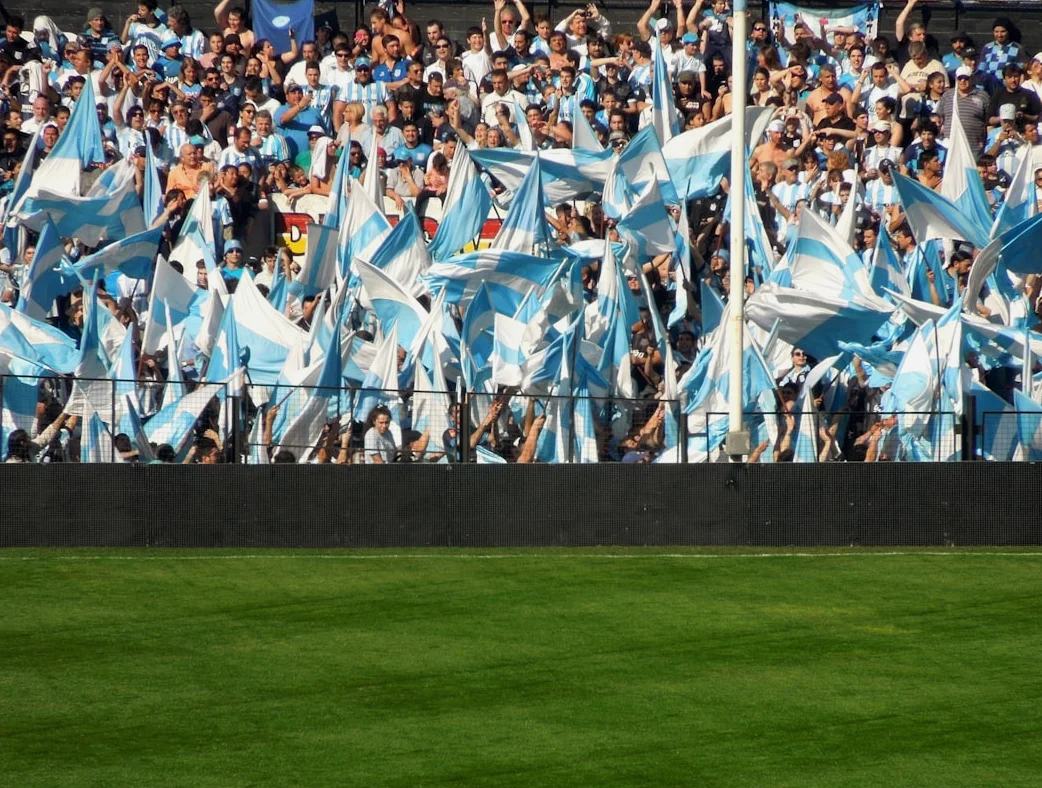
Thousands of protesters took to the streets of Buenos Aires on Saturday for the ‘March of Anger,’ organized largely by left-wing groups opposing the Milei government’s austerity policies. Protesters say the cuts are hurting working families.
Protest Organized by Left-Wing Groups
The demonstration was led by Argentina’s left-wing political factions, who argue that the government’s fiscal adjustments disproportionately affect lower-income workers; the march began at the iconic Obelisco and proceeded through the city center, with participants carrying banners reading ‘No to Austerity’ and ‘Bread, Not Profits.’
Response to Economic Policies
Protesters claim that the austerity measures,introduced to stabilize the country’s debt—have resulted in reduced public services and job losses; According to organizers, the march reflects growing frustration with the government’s approach to economic management.
“The government is cutting funds to essential services while bailing out corporations,” said one demonstrator, who identified as a union member; “Working people are the ones suffering most.”
Participants included members of the Broad Front, a coalition of left-wing parties, as well as teachers, healthcare workers, and public sector employees; the march followed similar protests in recent months as Argentina continues to grapple with high inflation and a struggling economy.
Government’s Defense of Austerity Measures
Government officials have defended the austerity measures, stating that they are necessary to attract foreign investment and reduce the country’s growing public debt, while Argentina’s economy has faced repeated crises in recent years, with inflation hovering above 150% in some periods.
President Javier Milei’s administration has implemented a series of market-driven reforms, including currency controls and privatization of state-owned enterprises; these steps have been supported by international financial institutions but have sparked backlash from social movements and opposition parties.
“We understand the concerns of the people, but we must take difficult decisions to ensure the country’s long-term stability,” said a government spokesperson, “The reforms are painful, but they are necessary.”
Organizers of the march said they plan to continue their campaign against the austerity policies, including through further demonstrations and public appeals to the international community. They have also called for dialogue with the government to address the needs of the working class.
As the debate over economic strategy continues, the ‘March of Anger’ highlights the deepening political and economic tensions in Argentina, while With public discontent rising, the government faces increasing pressure to balance fiscal responsibility with social welfare.



Comments
No comments yet
Be the first to share your thoughts