

 BBC
BBC 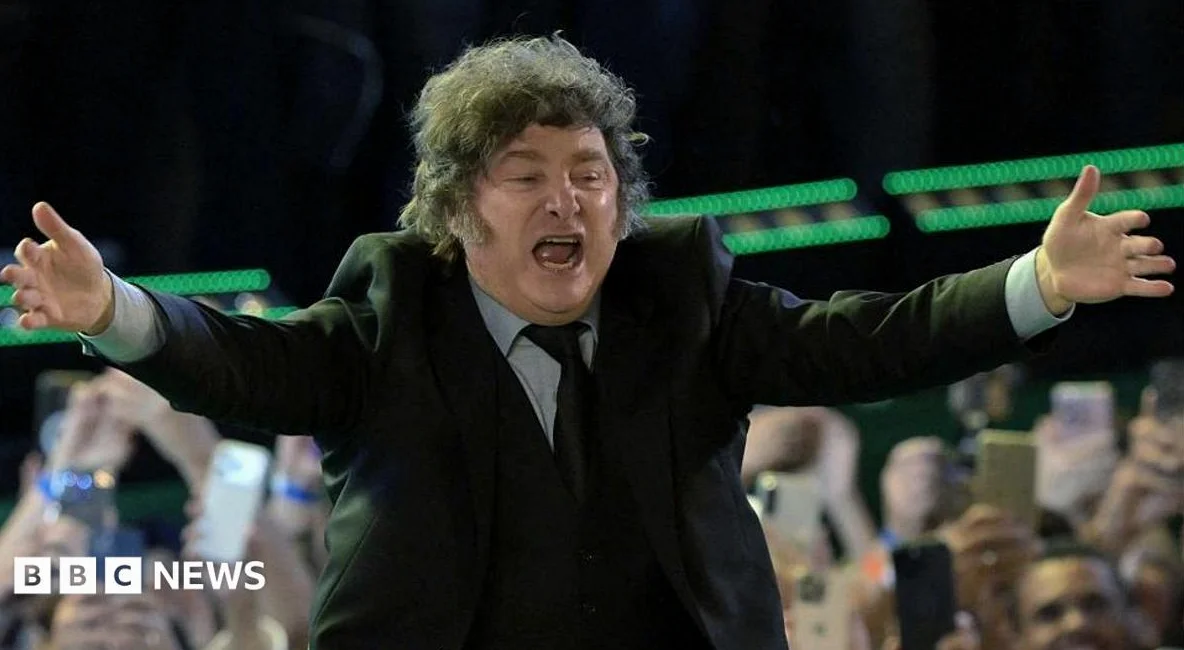
Brazil has recalled its ambassador to Buenos Aires after Argentina’s president hit out at the Brazilian president, referring to him as a “thief” and a “convict” during a rally in Sao Paulo. The comments were made by President Javier Milei at an event to launch the presidential campaign of Flávio Bolsonaro, who is set to run in an election in October.
Insults and Diplomatic Tensions
Milei did not name Lula Inácio Lula da Silva explicitly but used derogatory language while speaking alongside Flávio Bolsonaro, whom he said was the only one who could “stop Lula.” Brazilian diplomats later said the Argentine leader had insulted Brazil’s government, its people, and its democracy.
Speaking later on Sunday, Lula said he would continue to lead “without anyone’s interference,” and that “in Brazil, we do not accept anyone sticking their nose where it doesn’t belong.” Brazil’s ambassador to Argentina, Julio Bitelli, was due to return home between Sunday and Monday, according to AFP.
Background on Flávio Bolsonaro
Flávio Bolsonaro is the son of Brazil’s former president, Jair Bolsonaro, who was last year sentenced to more than 27 years in jail for plotting a coup aimed at keeping him in power after he lost the last election to Lula. The judge who oversaw the conviction of Jair Bolsonaro, Brazilian Supreme Court Justice Alexandre de Moraes, was also referred to by Milei as “bald trash.”
Moraes had also previously denied Milei permission to visit the former president while he was under house arrest in Brasilia; this adds to the existing tensions between the two nations and highlights the political climate in both countries.
Historical Context
In 2018. Lula was sentenced to 12 years in prison over a massive corruption and bribery controversy, but was released after serving a little over 18 months. Lula’s convictions were annulled by the Supreme Court in 2021, and in the presidential elections the following year, he narrowly beat far-right incumbent Jair Bolsonaro, winning 50.9% of the vote.
The ongoing political and diplomatic tensions between Argentina and Brazil highlight the complex relationships between neighboring countries in South America — the situation will likely continue to evolve as both nations handle their political settings in the coming months.






Comments
No comments yet
Be the first to share your thoughts