

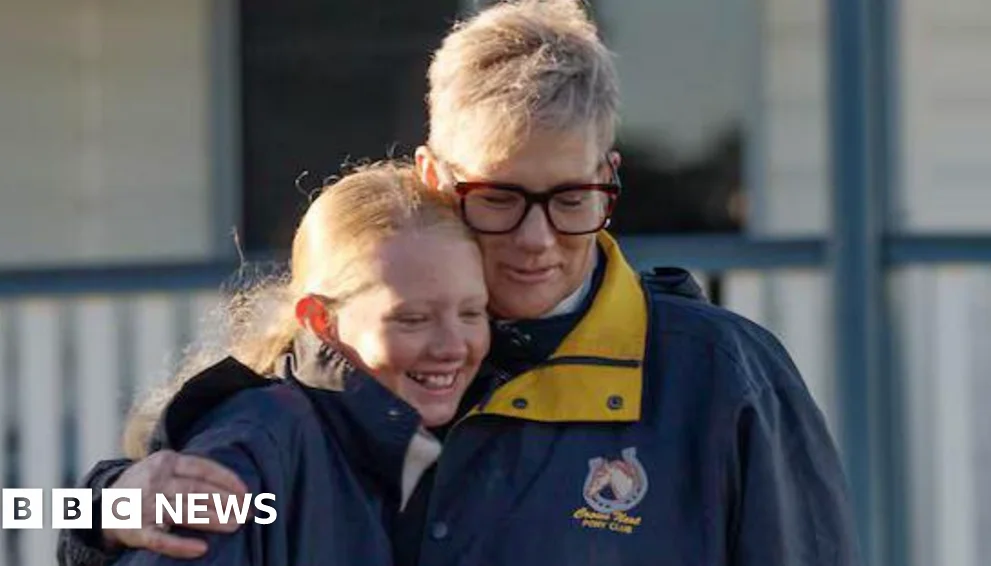
She’s now spent more than a decade undergoing treatments,both debilitating and incredibly invasive,but the cancer has spread to other parts of her body, her doctors say her diagnosis is now terminal. ‘I would never wish [this] on my worst enemy,’ she says. Her daughter. Now 12. Has grown up with the disease omnipresent in her life,Walters says the family was having frank conversations about dying when she was as young as three.
A Two-Pronged Approach to Elimination
In 2026. Her daughter has reached the age when Australia begins vaccinating children in its bid to eliminate the disease that will eventually take her mother’s life. The country is on track to do that within a decade, and is now racing other nations to become the first in the world to eliminate a form of cancer. A two-pronged approach includes widespread human papillomavirus (HPV) vaccination and regular screening. The National Immunisation Programme offers three vaccinations to high school students, including the HPV vaccine, which can prevent some high-risk strains that develop into cervical cancer.
Global Leadership in Cervical Cancer Control
Though HPV can have no symptoms and even disappear without treatment, it is one of the few causes of cancer that can be prevented through vaccination. Australia is a global leader in cervical cancer control, according to Professor Karen Canfell, while she has seen the impact of the disease both in and beyond Australia. The country’s strategy has been praised for its wide-ranging and proactive approach to public health.
Rising Cancer Rates in Younger People and Chemical Concerns
While Australia focuses on eliminating cervical cancer, another issue is gaining attention: the rising rates of cancer in people under 50; According to The Medical Journal of Australia, this trend is worrying. Some suggest that chemicals. Including those found in plastics. May play a role in these early-onset cancers — However, the evidence is still being studied to determine the exact causes and potential interventions.
Each cell in the body contains DNA, which can be damaged or mutated, leading to cancer. Older people are more likely to develop cancer due to the accumulation of mutations over time and a decline in the body’s ability to repair damaged cells. However, younger people are also being affected, raising questions about environmental and lifestyle factors that may contribute to this shift.






Comments
No comments yet
Be the first to share your thoughts