

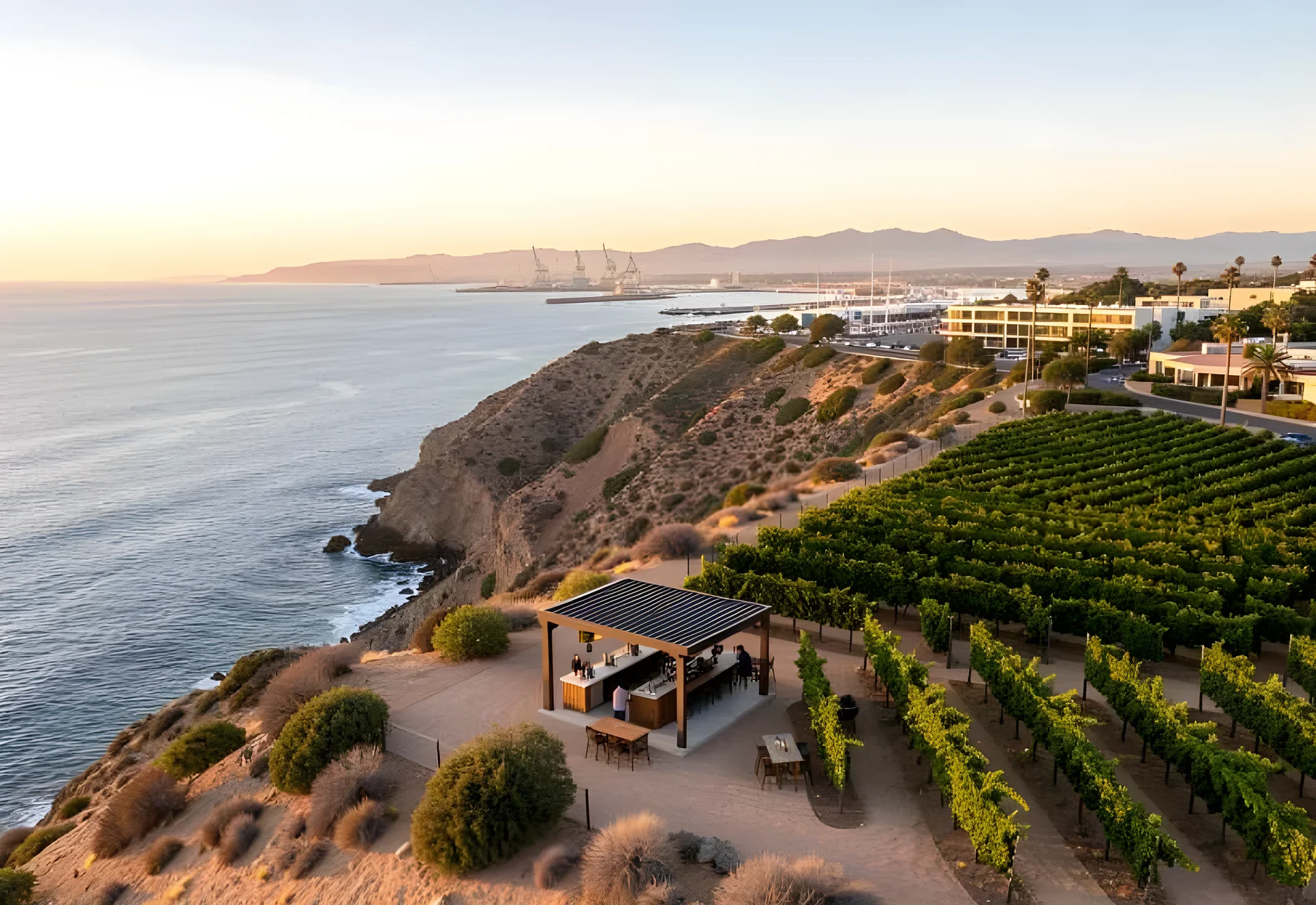
On February 22, the death of Nemesio “El Mencho” Oseguera, the leader of the Jalisco New Generation Cartel, triggered a wave of retaliatory actions across Mexico. In the wake of this event, 19 vehicles were set on fire in Northern Baja California, damaging 12 commercial properties. These incidents, while localized, sent ripples through the region’s tourism sector, causing a noticeable decline in visitor numbers and hotel occupancy rates.
Impact on Tourism and Local Businesses
The February disturbances have had a measurable effect on Baja California’s tourism industry. According to Robert Lyle Fritch, presiding head of the Business Council in Tijuana, the region is experiencing a substantial downturn in visitor numbers. “The impact is described as substantial,” Fritch said. “We have seen a noticeable decline in hotel occupancy rates and a thinning of future reservations.”
The medical tourism sector, a key component of Tijuana’s economy, has also been affected. Industry experts note a significant reduction in scheduled procedures and visits since late February. This trend is viewed as a direct reaction to the volatility reported just a week prior, creating a challenging environment for local businesses that rely on the steady flow of international guests.
One of the most affected areas is the Valle de Guadalupe, a premier wine-growing region often compared to Napa Valley. Since the news of Oseguera’s death, the area has experienced a steady loss of foot traffic. “The impact on the Valle de Guadalupe has been significant,” said a local business owner. “We’ve seen a noticeable drop in visitors, especially from the U.S. market.”
Regional Trends and Visitor Behavior
This current trend follows a broader pattern observed late last year, where a 15 percent reduction in tourism was recorded for both the Valle de Guadalupe and the coastal town of Ensenada. Given that 40 percent of visitors to these areas traditionally come from the United States, the sensitivity of the market to security-related news remains high.
However, for the discerning traveler, this period of quiet offers a unique opportunity to experience the region’s luxury without the usual crowds. “The region is currently offering unprecedented value and exceptional deals to encourage the return of international guests,” said a regional tourism official.
Despite the headlines focusing on cartel dynamics, the reality for the average tourist is often quite different. Regional business leaders assert that Northern Baja California remains a safe destination for international visitors. The incidents of late February were highly targeted and did not involve the victimization of tourists.
Official travel advisories from the U.S. Department of State and the Government of Canada emphasize that while caution is always warranted in border regions, the major tourist corridors of Ensenada and the Valle de Guadalupe remain open and operational. The Mexican government has increased the presence of the National Guard in these zones to ensure that the infrastructure of hospitality remains protected.
Recovery and Resilience in Baja California
While the headlines focus on the drama of cartel dynamics, the reality for the average tourist is often quite different. Regional business leaders assert that Northern Baja California remains a safe destination for international visitors. The incidents of late February were highly targeted and did not involve the victimization of tourists.
Despite the temporary fluctuations in visitor data, the fundamental reasons to visit Baja California remain unchanged. The peninsula is a land of dramatic contrasts: where the rugged desert meets the deep blue of the Pacific and the Sea of Cortez. The current climate, while influenced by past events, is one of recovery and invitation.
The “strong impact” mentioned by local councils is being met with a renewed commitment to guest safety and service. As we move away from the events of February, the local community’s resilience becomes the dominant narrative. The tourism infrastructure is not only intact, but actively seeking to welcome back those who have long cherished Baja’s spirit.
From the vineyards to the coast, the message is clear: the region’s beauty endures far longer than the headlines. The current period offers a unique opportunity for travelers to experience the region’s natural beauty, cultural richness, and luxury offerings without the usual crowds.
Meanwhile, in Baja California Sur, Los Cabos has seen a surge in tourism, with nearly 3.8 million visitors in 2025, a 130 percent increase over the decade. Official airport records show that Los Cabos International Airport processed over 7.5 million passengers, highlighting its role as a vital tourism gateway.
This surge positions Los Cabos as Mexico’s luxury leader, changing tourism dynamics with high-value travelers. The region’s tourism authorities highlight sustained demand from international markets, particularly the U.S. Enhanced connectivity has boosted occupancy to 70 percent, fueling revenue streams and supporting the local economy.
Government strategies emphasize quality over quantity, ensuring Los Cabos tourism sustains long-term appeal. The luxury focus attracts affluent guests, amplifying spending per visitor. Los Cabos International Airport expansion supports burgeoning tourism, handling record international flights under federal oversight.
Passenger volumes reflect Baja California Sur’s rising profile in Mexico tourism. Nonstop routes from major cities streamline access, positively impacting tourism volumes. State infrastructure investments match demand, minimizing delays for leisure arrivals. Tourism benefits include smooth transitions to resorts, enhancing first impressions.
Los Cabos uses aviation growth for diversified markets. High rates reflect five-star inventory growth to 22,000 rooms, 80 percent luxury-class. Tourism operators adapt with upscale offerings, boosting per-guest expenditure. Mexico’s tourism landscape shifts toward such sophistication.






Comments
No comments yet
Be the first to share your thoughts