

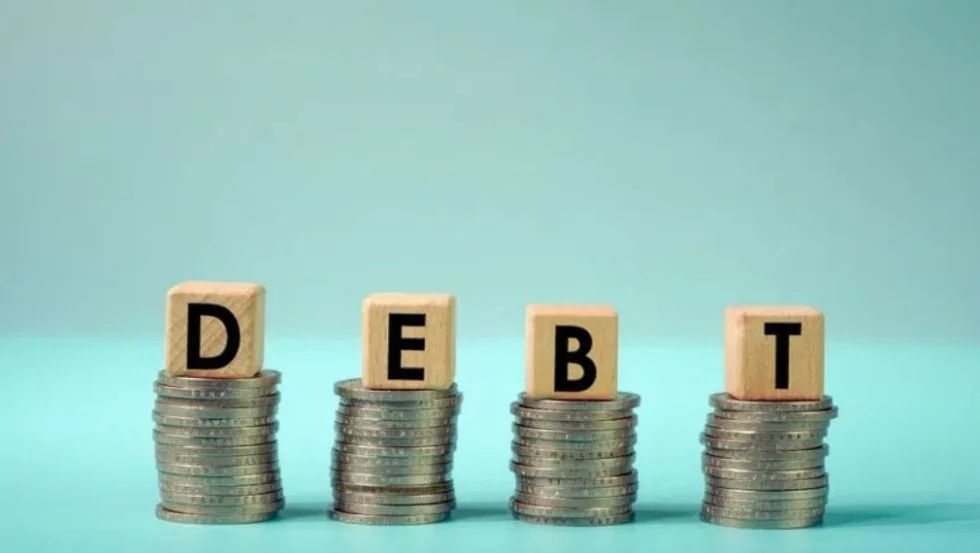
DHAKA — Researchers at a roundtable on public debt warned that unchecked spending and graft in major infrastructure projects are driving Bangladesh into a debt crisis. Borrowing itself isn’t the issue, they said. Opaque contracts and absent accountability are.
The discussion, titled “Public Debt and Governance,” took place Monday at the CIRDAP auditorium here. A University of London-affiliated education and research institution led the study, backed by an international charity and the local Change Initiative group.
Bangladesh’s external debt exploded over 16 years. It stood at $23.5 billion in 2009. By 2025, that figure reached almost $112 billion. Interest payments followed suit, climbing sharply and consuming 20% of government revenue. That squeeze leaves scant room for development spending, according to the report.
Analysts reviewed 42 big-ticket projects in transport, power, ports, aviation and industrial zones from 2009 to 2025. Cost overruns hit 29 of them, averaging 70.3%. Corruption, inefficiency and collusion ate up 23% to 40% of budgets in many instances.
“Even a slight increase in contract prices can create a massive financial burden over time,” economist Prof. Mushtaq H. Khan told the gathering. He pointed to power purchase deals. A few extra cents per unit of electricity can rack up billions in liabilities across 20 to 25 years. Non-competitive awards, political meddling and lax oversight fuel the danger, Khan said — not debt volume alone.
The power sector draws the sharpest criticism. Capacity payments could hit 380 billion taka ($3.5 billion) this year, the study projects. The government foots these bills whether plants generate power or not. High-cost deals force $4.9 billion in yearly subsidies to hold retail prices steady. Drop those subsidies, and tariffs could spike 86%.
From 2011 to 2024, payments to producers rose 11-fold. Capacity charges ballooned 20-fold. Actual generation? Just fourfold. Fuel shortages idle many plants, yet contractual duties demand payment.
Sri Lanka’s 2022 meltdown serves as a stark lesson, researchers noted. The island nation funneled 65% of its external debt into infrastructure. Projects from former President Mahinda Rajapaksa’s era crumbled without returns. Weak revenues amplified the strain, sparking default.
Bangladesh mirrors those pitfalls. Its adjusted debt-to-GDP ratio sits at 42%, above the 33% safety mark. Keep the trajectory, and it could climb to 65-70% by 2030, the study estimates.
Speakers demanded fixes: transparent tender data, pre-approval checks on land and designs, performance-tied payments, named officials for accountability. “Bangladesh could rush toward insolvency with $5 billion yearly subsidies to a corrupt power sector after debt tops $100 billion,” said Zakir Hossain Khan of Change Initiative. He accused corruption ringleaders of derailing the energy master plan.
UNDP Country Economic Adviser Wais Paré tied debt growth to infrastructure and social needs. Policymakers must sync financing to real development via planning and institutions, he urged.
FCDO Governance Adviser Emma Wind called power reforms urgent as Bangladesh nears least-developed country graduation. IMF diagnostics and donor help can tighten procurement, she added.
BPDB Director Jahangir Alam Molla highlighted gains. Repealing special laws and competitive bidding slashed solar tariffs from 10 cents to 5-8 cents per unit. Land and diversification top the fix list, he said.
BSREA President Mostafa Al Mahmud pressed for renewables. “Stop billions on imports when solar costs under five cents,” he said. Grid-adjacent expansion is now vital for survival.




Comments
No comments yet
Be the first to share your thoughts