

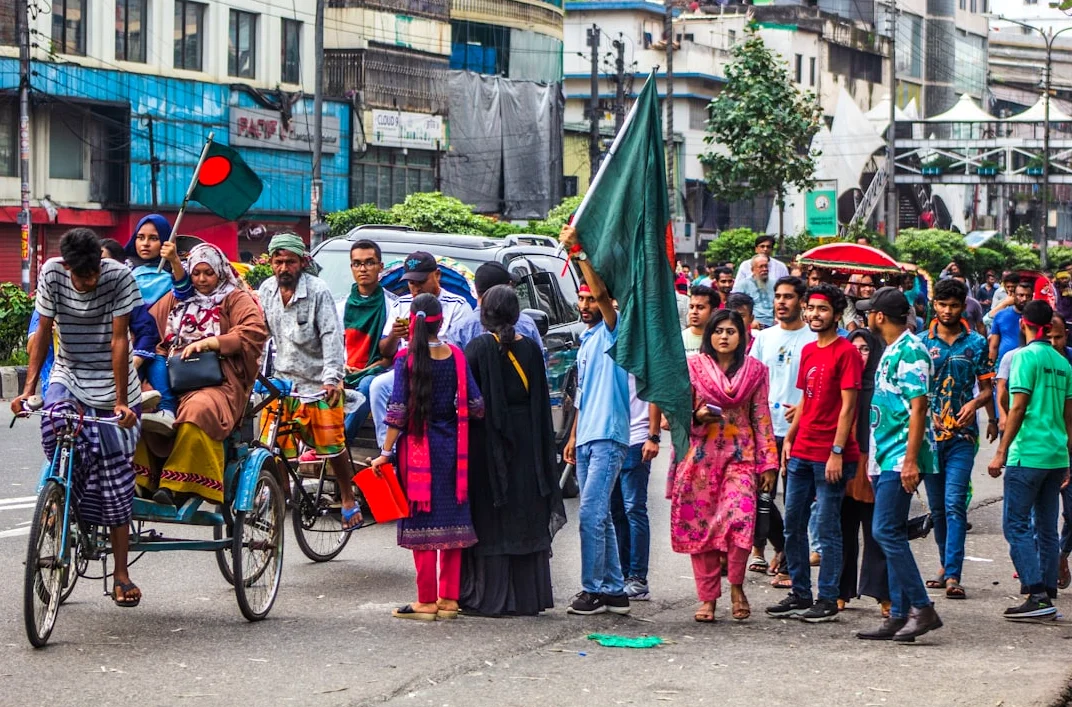
Bangladesh is grappling with a deepening fuel crisis that has exposed the fragility of its energy infrastructure, as a shadow syndicate seeks to capitalize on geopolitical instability and domestic unrest. The crisis has triggered a cascade of economic and social challenges, from soaring transport costs to the potential collapse of key industries. Petrobangla, the country’s largest oil company, recently slashed gas supplies to fertilizer plants, exacerbating the situation. Meanwhile, the Bangladesh Petroleum Corporation (BPC) imposed strict rationing measures, limiting motorcycle fuel to two liters and private cars to ten liters per fill-up. These measures, while temporary, have sent shockwaves through the economy.
Impact on Trade and Industry
The fuel shortage has not only affected households but also crippled the industrial and agricultural sectors. Inland Container Depots (ICDs), which play a crucial role in Bangladesh’s export trade, have been hit hard by the abrupt suspension of diesel deliveries. This has disrupted the movement of goods and threatened the country’s ability to maintain its export competitiveness. Emergency imports, such as the 5,000 tons of diesel delivered via the Parbatipur pipeline, have offered only a temporary reprieve, failing to address the root causes of the crisis.
The impact on the agricultural sector has been particularly severe. Fertilizer plants, which rely heavily on natural gas, have faced production cuts, threatening the country’s food security. With the monsoon season approaching, the lack of adequate irrigation and fertilization could lead to a significant drop in crop yields, further straining the economy.
Transport costs have surged as fuel becomes increasingly scarce and expensive. Truckers, who are the backbone of Bangladesh’s logistics network, are struggling to meet the demands of the market. This has led to delays in the delivery of essential goods, including food and raw materials, across the country. The ripple effects of these disruptions are already being felt in the prices of consumer goods, with reports of inflationary pressures rising sharply.
Geopolitical Factors and Domestic Manipulation
While the geopolitical landscape has played a role in exacerbating the fuel crisis, domestic manipulation is at the heart of the issue. The recent disruptions in the Strait of Hormuz, which have delayed shipments of Saudi crude oil and Qatari liquefied natural gas (LNG), have tightened international markets. However, these external factors alone do not fully explain the scale of the crisis in Bangladesh.
According to analysts, the current turmoil is the result of a calculated domestic strategy by a powerful syndicate within the energy sector. This group has attempted to pressure the newly formed government into implementing an unjustified price hike, a move that would secure substantial profits under the guise of “global market adjustments.” Fortunately, the current administration has shown political resolve in rejecting this demand.
Yet, the pattern of such manipulation is not new. Over the past two decades, severe fuel shortages and market anomalies have often followed national elections or major political transitions. These market manipulators are described as political chameleons, smoothly integrating themselves into successive regimes while maintaining control over distribution channels. They do not merely exploit the system’s weaknesses; they are the architects of the cartel that governs it.
Once fear is injected into the market, consumer behavior shifts dramatically. Local queues form, selective selling begins, and artificially inflated prices create a psychological scarcity that is far more damaging than any actual physical deficit. Shrewd players lift far more than they genuinely need, while rogue dealers divert subsidized supply to the black market, further fueling the crisis.
Historical Context and the Need for Reform
Historical records indicate that the architects of these crises are not hidden figures but open secrets to the people of Bangladesh. Their identities, though rarely spoken aloud, are known to those who have lived through previous fuel crises. The syndicate’s insatiable greed during times of national vulnerability has been well documented, and their predatory tactics are recognized by every citizen.
The current administrative blind spots are not just short-term issues but potential long-term risks that could lead to industrial paralysis, hyperinflation, and massive job losses. The question is no longer whether reform is necessary, but how decisively the state is prepared to act against those who hold the sector hostage.
If Bangladesh does not initiate a profound reconstruction of its energy governance, the shock will extend beyond fuel pumps and strike directly at the core of the country’s food security, industrial base, and daily survival. The time for discussion has passed; the time for resolute, uncompromising action is now.
Experts warn that without immediate and thorough reforms, the fuel crisis could spiral into a broader economic and social crisis. The government is under pressure to implement transparent and accountable measures to stabilize the energy sector and prevent further exploitation by the syndicate. With the monsoon season approaching and the agricultural calendar in motion, the stakes have never been higher.






Comments
No comments yet
Be the first to share your thoughts