

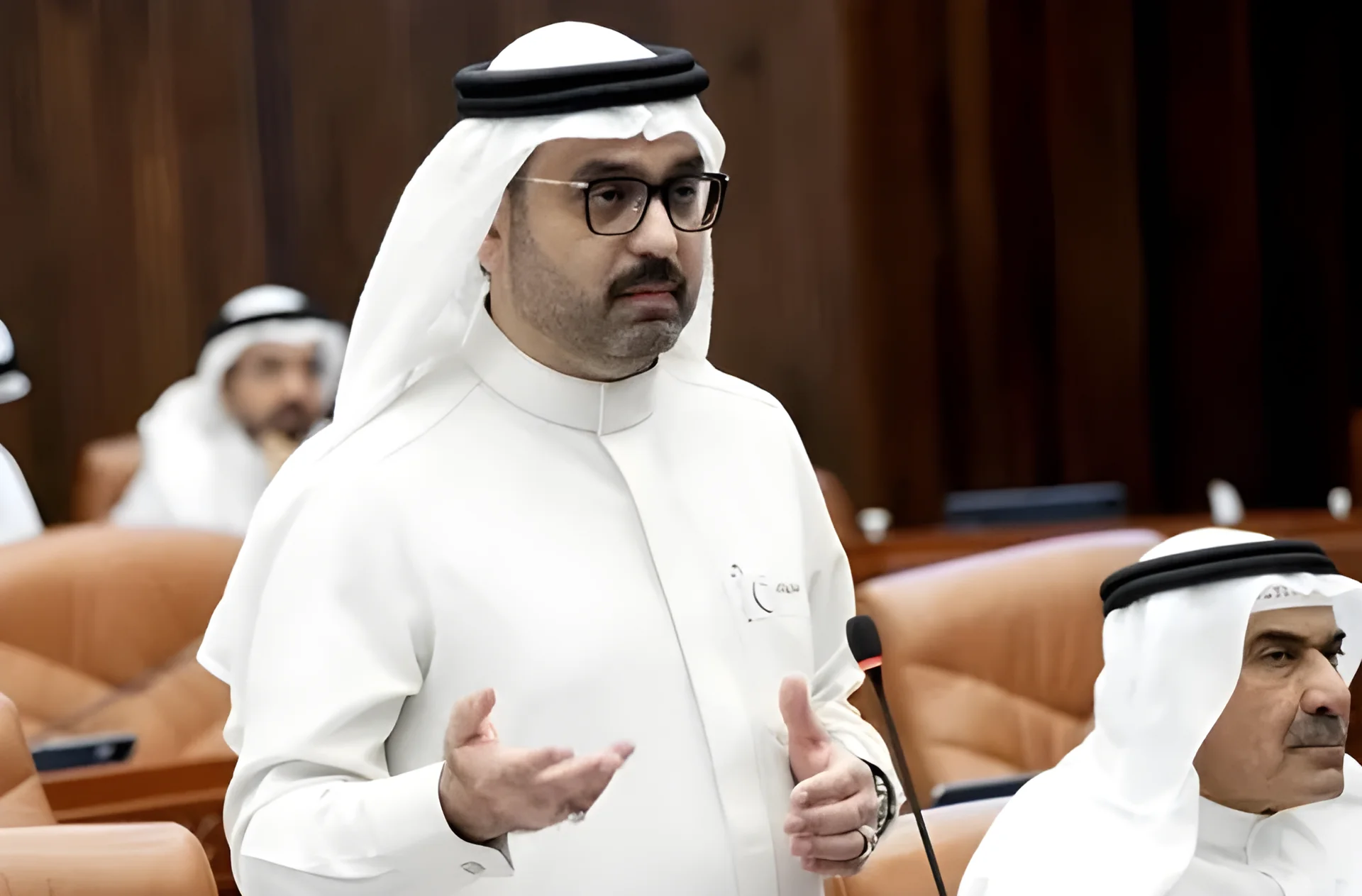
Bahrain’s Financial and Economic Affairs Committee has called on lawmakers to reject the government’s 2024 consolidated final accounts, citing a widening fiscal deficit of BD1.026 billion and a rise in public debt to BD19.3 billion. The committee’s recommendation follows a review of the Ministry of Finance and National Economy’s submissions, including the minister’s responsibility letter and the National Audit Office’s opinion, which found the accounts to fairly reflect state revenues and spending.
Rising Deficit and Debt Burden
Total revenue for the year fell 5.3% to BD3.026 billion, while expenditure rose 2.1% to BD4.052 billion. This pushed the overall deficit up by 32.6% from BD773.9 million in 2023 to BD1.026 billion. A primary deficit of BD81 million was recorded, reversing a BD69.2 million primary surplus from the previous year.
Public debt increased from BD17.9 billion to BD19.3 billion, raising the debt-to-GDP ratio to 109% from 103%. This signals a growing financial burden on the state and raises concerns about the country’s long-term fiscal sustainability.
Revenue Pressures and Spending
Oil and gas income, which remains the largest revenue source at 60.1%, fell from 63.7% in 2023. Taxes and fees contributed 31.2%, while returns on state assets increased. Revenue from fines and other sources reached only 30.9% of projections, highlighting the strain on non-hydrocarbon revenue streams.
Recurring expenditure accounted for 92.8% of total spending, with interest payments rising 12.1% to BD945.2 million. The committee noted that recurring costs exceeded approved allocations by BD374.8 million, with execution reaching 111.1%, contrary to Decree-Law No. 39 of 2002.
Project Execution Gaps
Capital spending varied widely across ministries. The Ministry of Social Development used only about 12% of its allocation, while the Ministry of Justice, Islamic Affairs and Waqf and the Ministry of Youth Affairs each recorded around 23% usage. Some entities cited procurement delays, revised project scopes, and technical reviews as reasons for slower implementation.
Members of the committee also noted that debts owed by state-owned companies and public entities were not fully reflected in the accounts, despite government guarantees. This raises questions about the accuracy of the financial reporting and the transparency of public finances.
Economic growth slowed to 2.6% in 2024 from 3.9% in 2023, though the current account posted a surplus of BD858 million. The committee emphasized that restoring fiscal balance would require rebuilding a sustained primary surplus to curb borrowing and gradually reduce debt as a share of GDP.
While assistance for pensioners rose 3.8%, and unemployment insurance contributions increased slightly, support for low-income households and food subsidies declined. This shift in fiscal priorities has raised concerns among analysts about the potential impact on vulnerable populations.
The committee’s recommendation to reject the final accounts is likely to spark intense debate in parliament. With the deficit and debt figures reaching critical levels, lawmakers will face pressure to address the underlying fiscal challenges and implement reforms to ensure long-term economic stability.


Comments
No comments yet
Be the first to share your thoughts