

 BBC
BBC 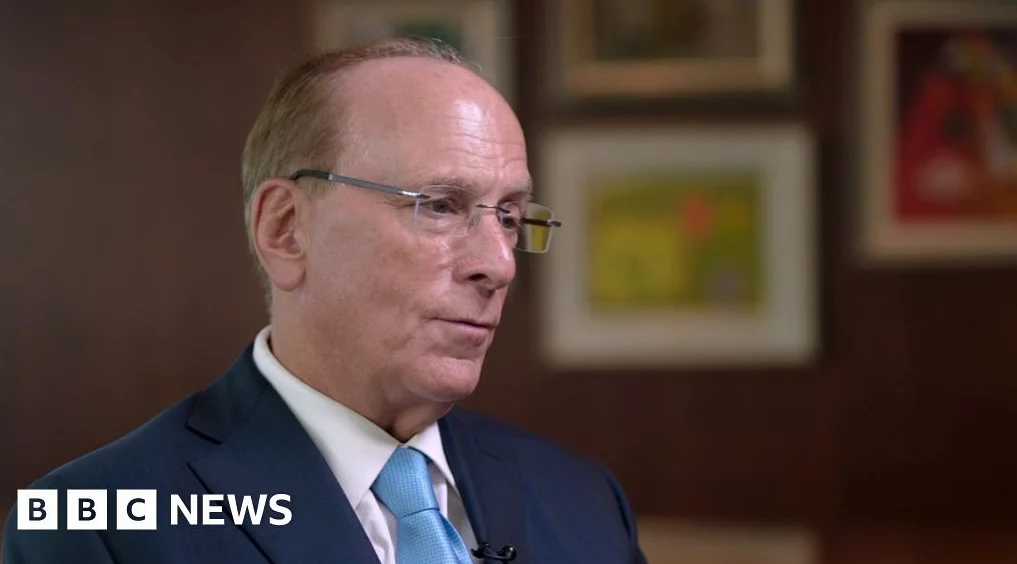
Larry Fink. The chief executive of BlackRock. Has warned that a global recession could be triggered if oil prices reach $150 per barrel. In an exclusive interview with the BBC, Fink said that if Iran remains a threat and oil prices remain high, it will have ‘profound implications’ for the global economy. The warning comes amid rising tensions in the Middle East and concerns over energy security.
Energy Prices and Economic Implications
BlackRock, which manages $14 trillion in assets, is one of the largest investors in the world’s major companies, as Fink, who is one of the eight co-founders of the firm, has a unique perspective on the global economy due to the company’s vast influence. He noted that the Middle East conflict has led to significant volatility in financial markets, as investors try to gauge the impact on energy costs.
Fink described two possible scenarios for the Middle East situation — In one, if the conflict is resolved and Iran is reintegrated into the international community, oil prices could fall below pre-war levels. In the other. If the situation remains unresolved. Oil prices could remain above $100 per barrel, potentially reaching $150, which could lead to a ‘stark and steep recession.’.
The surge in energy prices has sparked debate in the UK about the need to increase domestic oil and gas production. Offshore Energies UK. An industry body, warned that without more domestic production, the country risks becoming overly reliant on imports during a time of global instability.
Energy Policy and Economic Growth
Fink emphasized that countries need to be pragmatic about their energy mix, using all available sources to ensure affordable energy. He called rising energy prices a ‘very regressive tax,’ as it disproportionately affects the poor more than the wealthy. He also noted that if oil prices were to remain at $150 for several years, many countries would likely accelerate their transition to renewable energy sources such as solar and wind.
Fink urged nations not to rely on a single energy source and to aggressively move toward alternative energy options. He said, ‘Use what you have unquestionably, but also aggressively move towards alternative sources too.’
While the UK already has some solar and wind power and hydrocarbons, Fink argued that if oil prices remain high, the push toward renewables will intensify. He believes that affordable energy is essential for driving economic growth and improving living standards.
No Repeat of 2007-08 Financial Crisis
Some analysts have drawn comparisons between the current financial landscape and the run-up to the 2007-08 financial crisis. Energy prices are surging, and there are signs of cracks in the financial system. However, Fink denied that the current situation is similar to the 2007-08 crisis, stating, ‘I don’t see any similarities at all. Zero.’
He explained that the issues affecting some funds account for a small fraction of the overall market, and investment from institutions remains strong. Fink also rejected the idea that the surge in AI investment is a bubble, stating, ‘I do not believe we have a bubble at all.’
Fink acknowledged that there could be some failures in AI, but he believes the technology is not overblown. He emphasized the importance of investing in AI to maintain global competitiveness, particularly in the face of China’s rapid development in the field.
Last year, BlackRock was part of a $40 billion deal to acquire Aligned Data Centres, one of the world’s largest data centre providers. Fink stressed the need for the US and Europe to focus on solar energy to support AI advancements, saying, ‘As much as we are energy independent, we better start focusing on solar… because we need to have cheap, inexpensive power to move into AI.’
AI and the Future of Work
In his annual letter to shareholders, Fink warned that the AI boom could widen inequality, with only a few firms and investors benefiting. However, he emphasized that AI will create an ‘enormous amount of jobs,’ particularly in fields such as plumbing, electricians, and welding.
Fink argued that the current workforce may need to be re-evaluated as AI evolves, noting that some office jobs may become less in demand. He said, ‘We really put judgment on so many jobs and so many people who probably should not have gone into banking or media or law, [who] probably should have been a great worker with their hands, and we need to now rebalance that approach.’
Fink criticized the overemphasis on higher education in the US, noting that after World War Two, the country encouraged young people to pursue college degrees. He said, ‘We probably overdid it,’ and called for a balance between higher education and vocational training in fields such as plumbing and electricians.
Fink believes that the US needs to focus more on creating strong career paths in these trades, stating, ‘We need to be proud that… a career can be just as strong in these fields of plumbing and electricians.’





Comments
No comments yet
Be the first to share your thoughts