

 World Headlines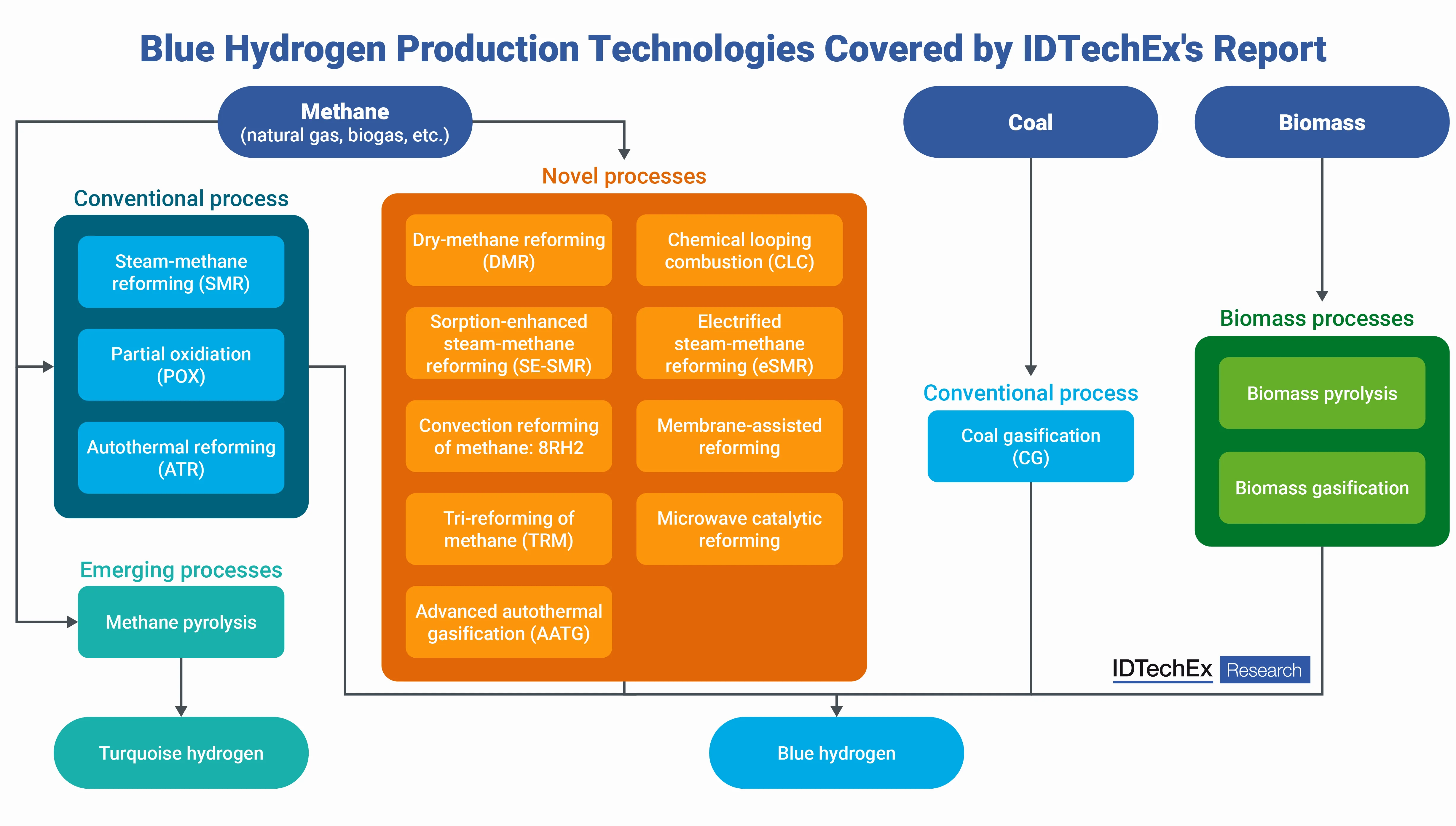
LONDON (AP) — Blue hydrogen production stands to explode over the next decade as industries push to slash carbon emissions. IDTechEx’s report, “Blue Hydrogen Production and Markets 2026-2036: Technologies, Forecasts, Players,” pegs the market at $52 billion in 2036. That marks a 22% CAGR from current levels, when low-carbon hydrogen makes up less than 1% of global supply.
Blue hydrogen starts with familiar processes like steam methane reforming or coal gasification. The difference: carbon capture, utilization and storage, or CCUS, grabs most CO2 emissions for underground storage or industrial reuse. Grey hydrogen, by contrast, dumps that CO2 straight into the air. “SMR with CCUS remains the dominant method today,” the report states. Autothermal reforming, or ATR, with CCUS gains ground for its efficiency and capture rates above 90%.
Hard-to-decarbonize sectors lead demand. Steel mills, chemical plants and long-haul trucking see blue hydrogen as a practical bridge. Green hydrogen from electrolysis promises zero emissions but faces sky-high costs and competition for renewable power. Turquoise hydrogen, made via methane pyrolysis, skips CO2 capture altogether. It spits out solid carbon as a byproduct for tires or batteries. IDTechEx highlights methane pyrolysis as an emerging contender, fueled by small and medium enterprises.
Governments fuel the shift. More than 60 countries weave hydrogen into energy plans. The U.S. offers 45V clean hydrogen tax credits and 45Q for CCUS, boosted by the One Big Beautiful Bill Act. That law pushes point-source CO2 capture for uses like enhanced oil recovery. In Europe, the EU Emissions Trading System, CCS Directive and Netherlands’ SDE++ scheme provide backing. Canada joins with similar incentives.
Projects reveal the hurdles. ExxonMobil paused its Baytown, Texas, blue hydrogen complex amid high levelized costs and shaky demand. BP hit delays at its Teesside site in the UK. “Market uncertainties drive these setbacks,” IDTechEx notes. Broader hydrogen growth stalls with mixed political signals.
Still, drivers outweigh drags. CCUS tech matures. Regulations tighten on polluters. End-users from refineries to shipping lines line up hydrogen contracts. Other paths like biomass gasification and electric steam methane reforming, or eSMR, hold promise despite tiny market shares now.
The report benchmarks turquoise tech, profiles key suppliers and dissects major projects. It forecasts steady expansion as costs drop and infrastructure scales. Blue hydrogen buys time for green alternatives to mature, analysts say. Watch for breakthroughs in pyrolysis and policy tweaks that could accelerate timelines.





Comments
No comments yet
Be the first to share your thoughts