

 WH News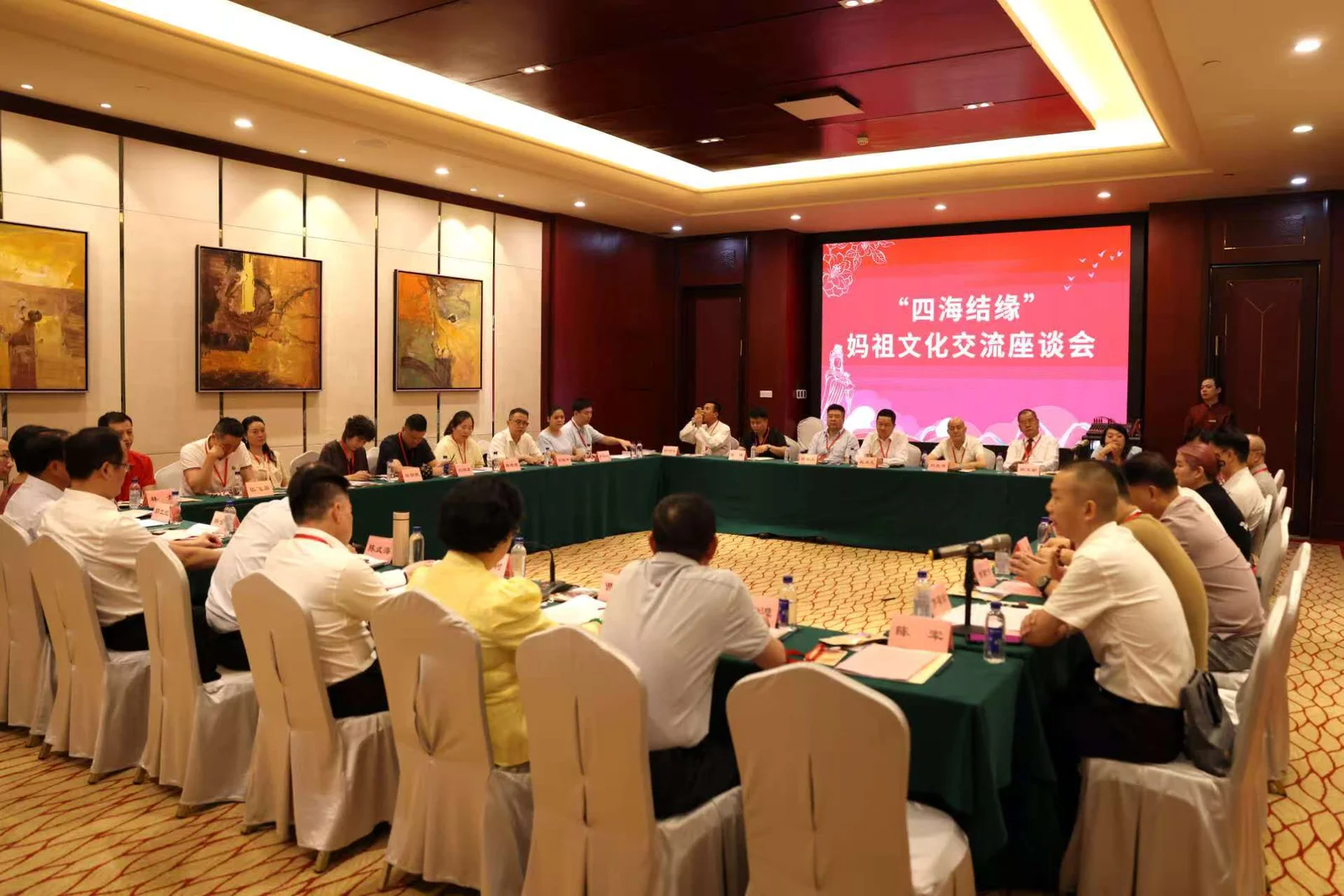
From August 27 to 29, the “Bonds Across the Four Seas” Mazu culture exchange was held in Putian, Fujian Province, the ancestral home of Mazu. Guided by the Fujian Provincial Federation of Returned Overseas Chinese and the Fujian Tourism Association, hosted by the association’s Overseas Tourism Branch, and co-organized by the Putian Federation of Returned Overseas Chinese and Sijunzi (Four Nobles) Classical Furniture Co., Ltd., the event brought together 45 participants: representatives of Mazu branch temples from 13 countries — among them Australia, Italy, Hungary, Malaysia and Japan — along with delegates of the Overseas Tourism Branch and invited guests devoted to sharing Mazu culture with the world.
At a symposium on the afternoon of August 28, branch-temple representatives shared their experience of enshrining spirit-division (fenling) Mazu statues and of cultural exchange: Dai Bingfan, president of the Mazu Culture Association of Australia; Liu Guanghua, founding president of the Italy Council for the Promotion of Peaceful National Reunification of China; Zheng Chunsheng, director of the Budapest Tianhou Temple in Hungary; Zheng Wenxin, supervisory chairman of the Kuching Hockien Association of Malaysia; and Yang Minghui, president of the Ryukyu Fuzhou Shiyi Hometown Association of Japan. Zhang Bo, vice president of the Overseas Tourism Branch, and Cao Yanling, president of the European Federation of Chinese Organisations, spoke on carrying Mazu culture further abroad. Lin Jinzan, chairman of the board of the Meizhou Mazu Ancestral Temple, reviewed the temple’s recent work in sharing Mazu culture overseas and set out its plans for the period ahead.
Chen Shihai, president of the Fujian Provincial Federation of Returned Overseas Chinese and vice chairman of the Hong Kong, Macao, Taiwan, Overseas Chinese and Foreign Affairs Committee of the CPPCC Fujian Provincial Committee, attended and addressed the symposium. Every spirit-division Mazu statue, he noted, embodies the devotion of an overseas Chinese community and carries the shared hopes of local compatriots and believers for peace, harmony and reunion. He called for making the “Bonds Across the Four Seas” brand ever stronger: letting culture give the work its soul and telling Mazu’s story well; drawing on the strengths of overseas Chinese communities to widen the reach of these bonds; and keeping to people-to-people channels that bring hearts closer together.
Huang Zhenyao, member of the Standing Committee of the CPC Putian Municipal Committee and head of its United Front Work Department, said Mazu belief is a spiritual home and a wellspring of identity for many overseas Chinese, and that each consecrated statue is both a starting point and a new opportunity. With Mazu culture as the bond, Putian will nurture attachment to family and homeland, deepen cultural identity, and do solid, lasting work to share Mazu culture as part of building a community with a shared future for mankind.
During the exchange, participants visited the Meizhou Mazu Ancestral Temple, the Mazu Culture Park and the Tianfei Hometown Ruins site; conducted a study visit to the Mazu Culture Research Center at Putian University; and held exchanges at Sijunzi (Four Nobles) Classical Furniture Co., Ltd.
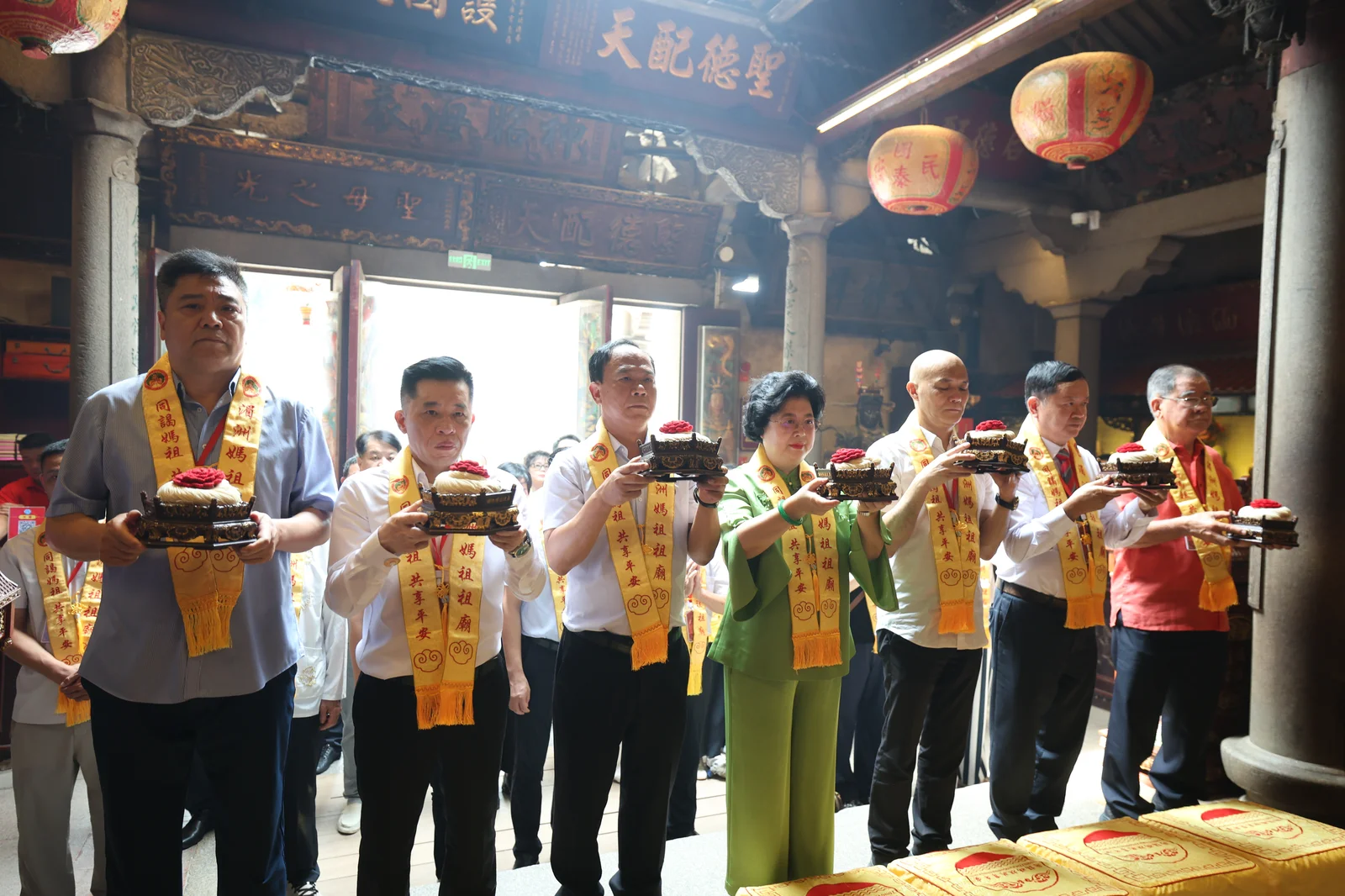
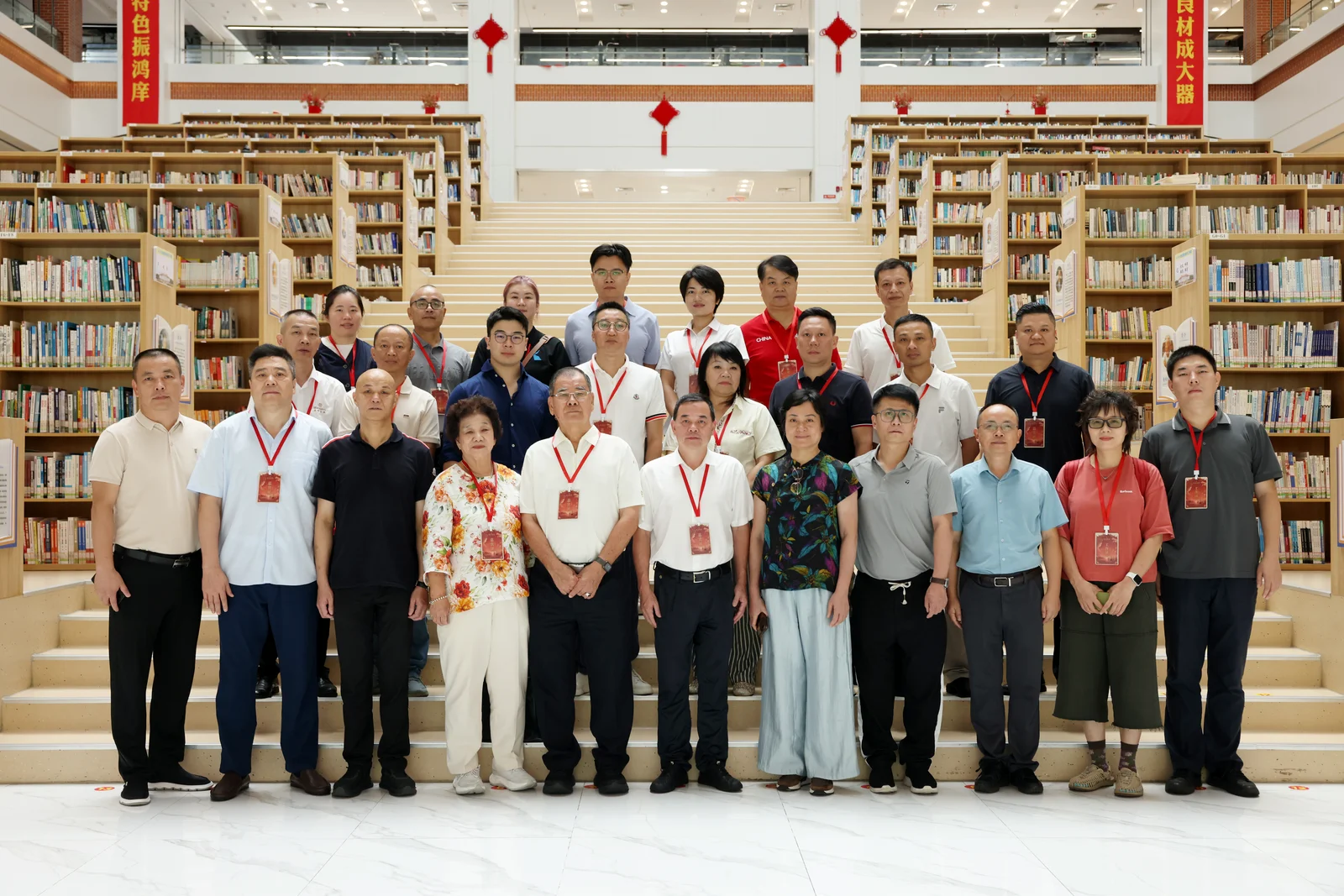
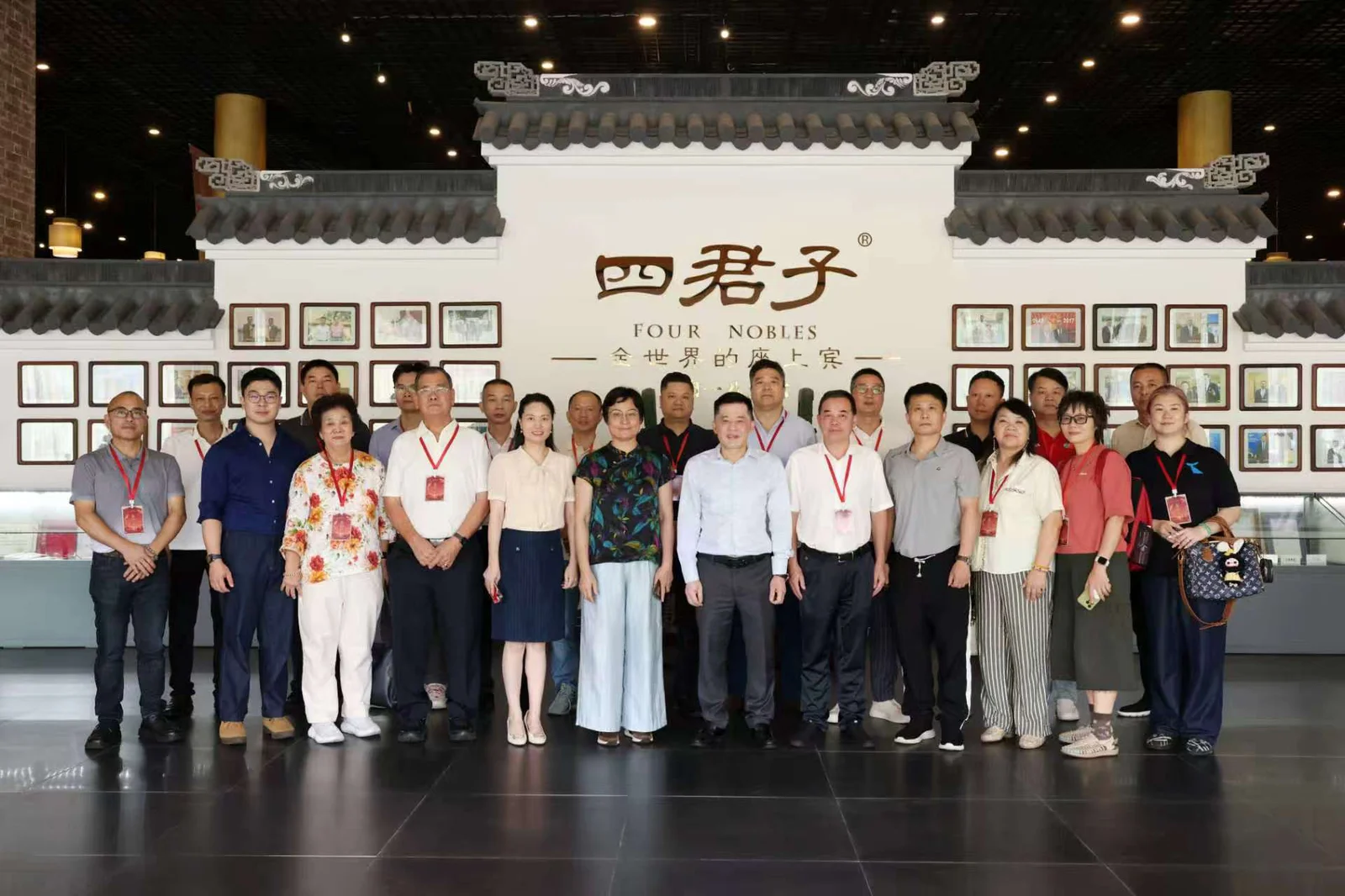
Delegates carry spirit-division Mazu statues at the Meizhou Mazu Ancestral Temple; group photo at the Mazu Culture Research Center of Putian University; delegates at the Four Nobles classical furniture exhibition hall.
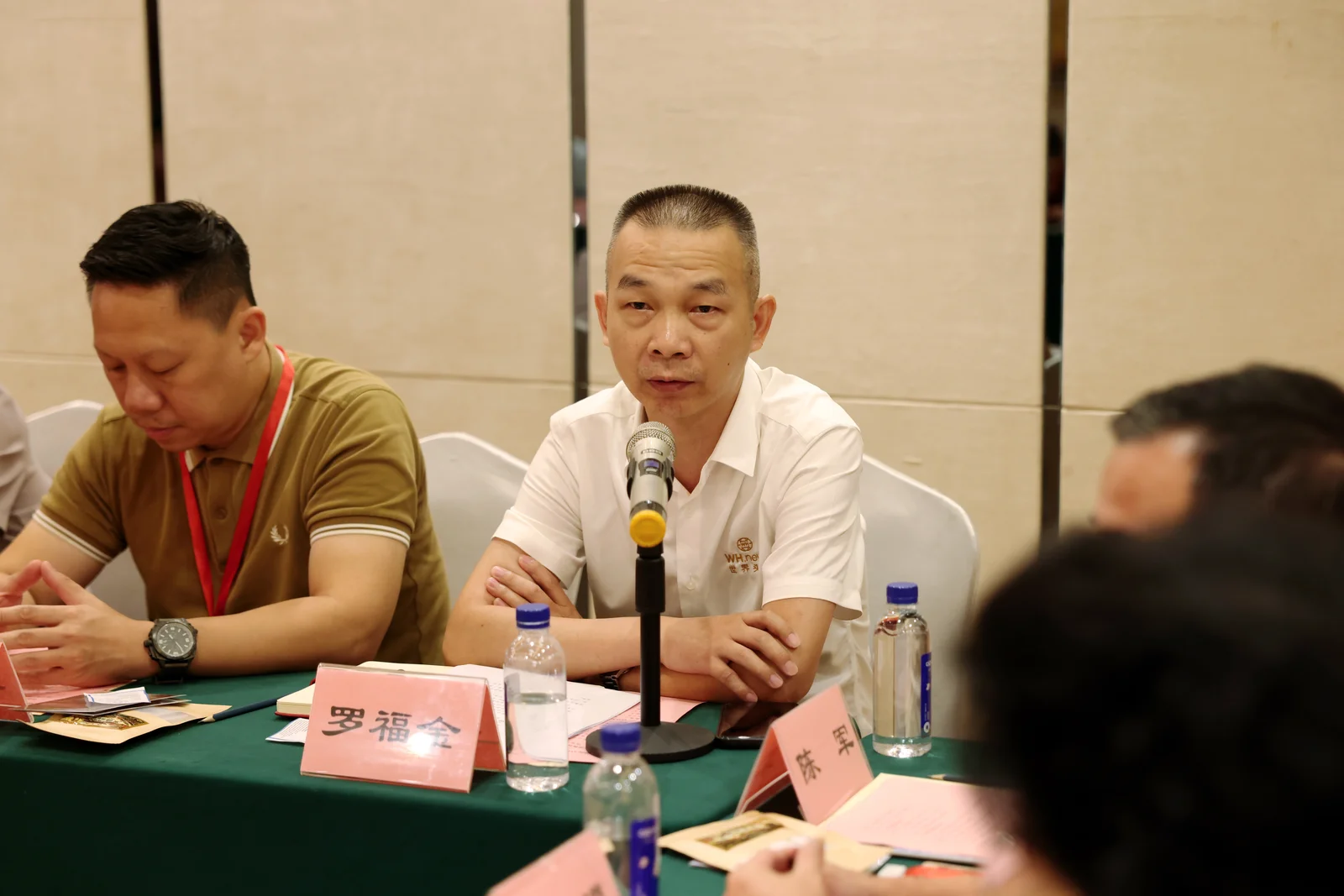
Luo Fujin, vice president of the World Mazu Cultural Alliance, delivers his address “Mazu’s Next Ship” at the symposium: a call to carry Mazu culture to every corner of the world, the mission at the heart of the alliance.




Comments
No comments yet
Be the first to share your thoughts