

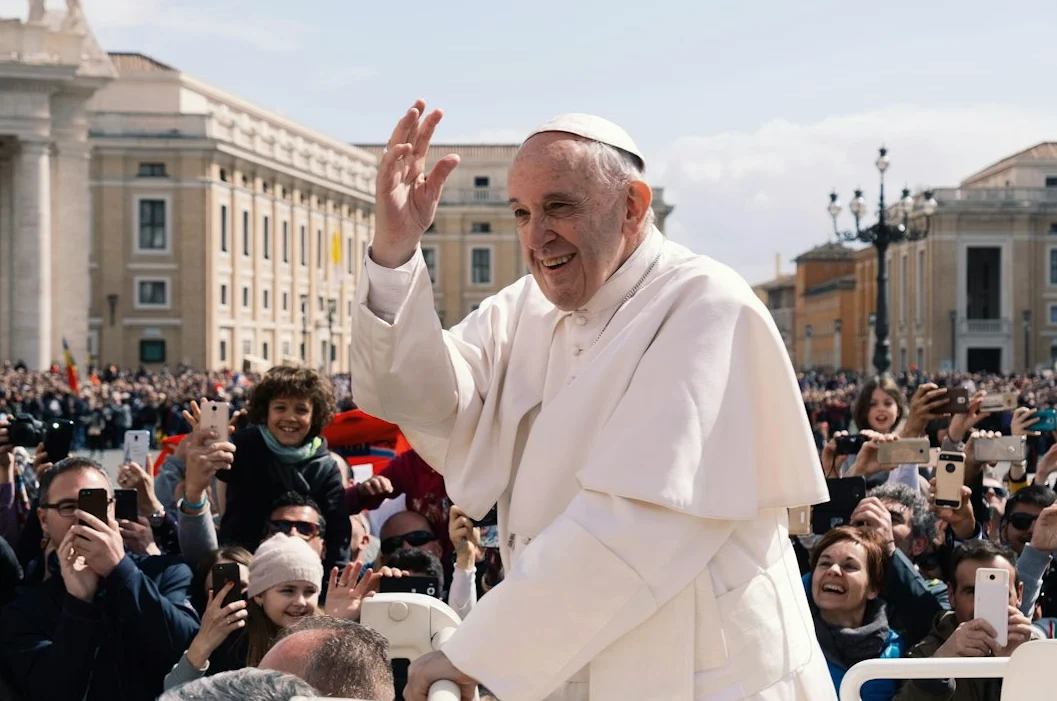
According to the Vatican, the pope was in the operating room for three hours. “Intraoperative histological examination confirmed the diagnosis of pulmonary adenocarcinoma, as suspected from pre-operative tests,” the Vatican said in a statement. Pope Leo regained consciousness normally and was returned to his hospital room on the 10th floor of Gemelli. He is expected to remain in the hospital for a week, during which all of his public audiences have been canceled until October 20. The Vatican has not disclosed the stage of the cancer or whether further treatment is planned.
Pope Leo, 71, is known for maintaining an active lifestyle, including swimming and playing tennis. Before the surgery, he waved to well-wishers at the hospital entrance. During his Sunday noon prayer in St. Peter’s Square, he revealed the discovery of a lung nodule and announced his decision to have it removed.
The Vatican provided an unusually detailed medical update, including a statement from lead surgeon Dr. Stefano Margaritora, who said the lobe was removed to make the procedure “curative.” The Vatican also noted that the removal was “radical,” indicating all suspect tissue was excised.
The pope’s planned Latin American tour, scheduled for November 6–17, includes stops in Uruguay, Argentina, and Peru. The typical medical advice is to avoid air travel for three weeks post-surgery, which would bring the pope close to the start of the trip. The Vatican has not yet confirmed whether the itinerary will be affected.
Pope Leo has a history of overcoming serious illness, including a bout with typhoid fever in 1985 during his time in Peru. In a biography, he described the experience as a turning point that led him to commit to missionary work and eventually the papacy.
Secretary of State Marco Rubio expressed support for the pope on social media, writing that he and his wife were “united in prayer” for the pontiff. The Vatican’s transparency has been noted by Candida Moss, the Edward Cadbury professor of theology at the University of Birmingham, who said the lack of detailed information about the cancer’s stage and treatment will lead to speculation and “reading between the lines.”
According to the American Thoracic Society, lung nodules are often benign, with fewer than 5% being cancerous. If malignant, they are typically detected at an early stage, which is considered favorable for treatment. Doctors had previously indicated that Leo’s prognosis was “excellent” if the nodule was cancerous and removed early.


Comments
No comments yet
Be the first to share your thoughts