

 BBC
BBC 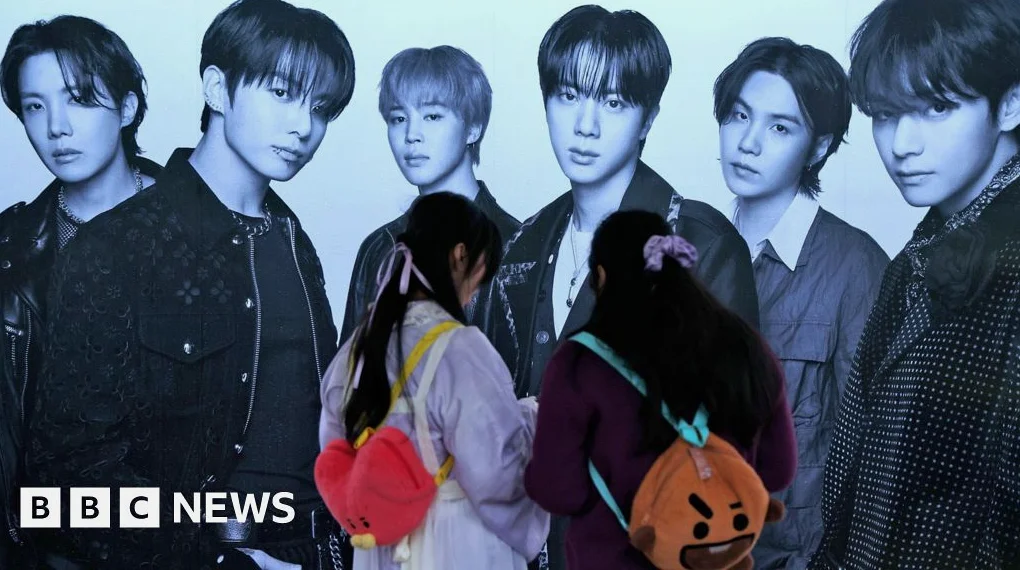
When Vevee logged in to Ticketmaster on 9 June, she hoped her years-long wait to see supergroup BTS was finally drawing to an end. Like millions of fans everywhere, the 26-year-old thought she was ready for battle. She had even taken the day off from work. The septet’s mammoth global tour was making a stop in her backyard, the Indonesian capital, Jakarta, and as a longtime fan, she couldn’t fathom missing it. Perched in front of her computer, eyes glued to her fateful queue number, Vevee waited for hours. When it was her turn, she was told the tickets had been snapped up. But there were more sales. So she tried again, and again, but her luck did not change. ‘It felt impossible because the demand was just too crazy,’ she tells the BBC.
Desperate Fans Fall for Scams
Determined to secure her spot, Vevee found an account reselling tickets on X and splashed out $1,200 for four VIP seats. That’s worth about two months of her salary at a logistics firm. But they soon stopped responding. ‘Right after I sent the money, they ghosted me. It’s horrible. I am so sad and heartbroken,’ says the 26-year-old. Desperate fans in South East Asia, where BTS is performing 15 of 88 shows, have lost more than $100,000 as scammers cash in on explosive demand. It has been a rollercoaster of a month for the band’s fans, who call themselves Army. Elated to see BTS on the road again after the pandemic and a three-year hiatus, but frustrated by super-competitive ticketing wars, they have become easy targets.
Scams Infiltrate Online Fan Groups
In Thailand, lawmakers are hearing a complaint by 126 fans who were duped by an offer to help them ‘wait in line’ for tickets. Scammers have also infiltrated fan groups online, promising exclusive access or lower prices. Once money changes hands, they vanish. Some even offer ‘power of attorney forms’ – typically used to hand over legal decision-making to someone else – to convince targets the tickets are authentic. These are familiar enough tactics that authorities have issued multiple warnings. But fans are still falling prey to them.
Ticket Demand Outpaces Supply
The tour, which kicked off in April and stretched well into 2027, will span 34 cities. BTS and their record label Hybe stand to make nearly $2bn (£1.5bn) from their reunion, derived from concerts, merchandise, licensing, album sales and streaming revenue, some analysts told Reuters news agency. Across Asia, the number of people vying for tickets exceeded what’s available by 15 times, the BBC understands. They are still adding new dates because of the staggering demand. Just last week, Jakarta and Bulacan in the Philippines learned they would each host a third show. When the new date was announced, Vevee decided to ‘fight for those tickets again,’ but on official channels, unlike last time when panic got the better of her, she explains. ‘I was about to go into a meeting at work and was so terrified that someone else would grab the tickets. I just wanted to transfer the money quickly to lock them in, she says. ‘If I had just taken a moment to calm down, I might have spotted the red flags.’
In Singapore, the police have received at least 62 complaints involving BTS concert tickets since 1 June, with losses amounting to more than S$68,000. E-commerce company Carousell has suspended the reselling of tickets on its platform, and the ban will be in place until 22 December, the date of BTS’ final show in Singapore. Last week, the Malaysian police said they have received 28 reports from individuals claiming they had been cheated while trying to secure tickets. Authorities are trying to trace ‘mule accounts’ involved in the transactions, they say.






Comments
No comments yet
Be the first to share your thoughts