

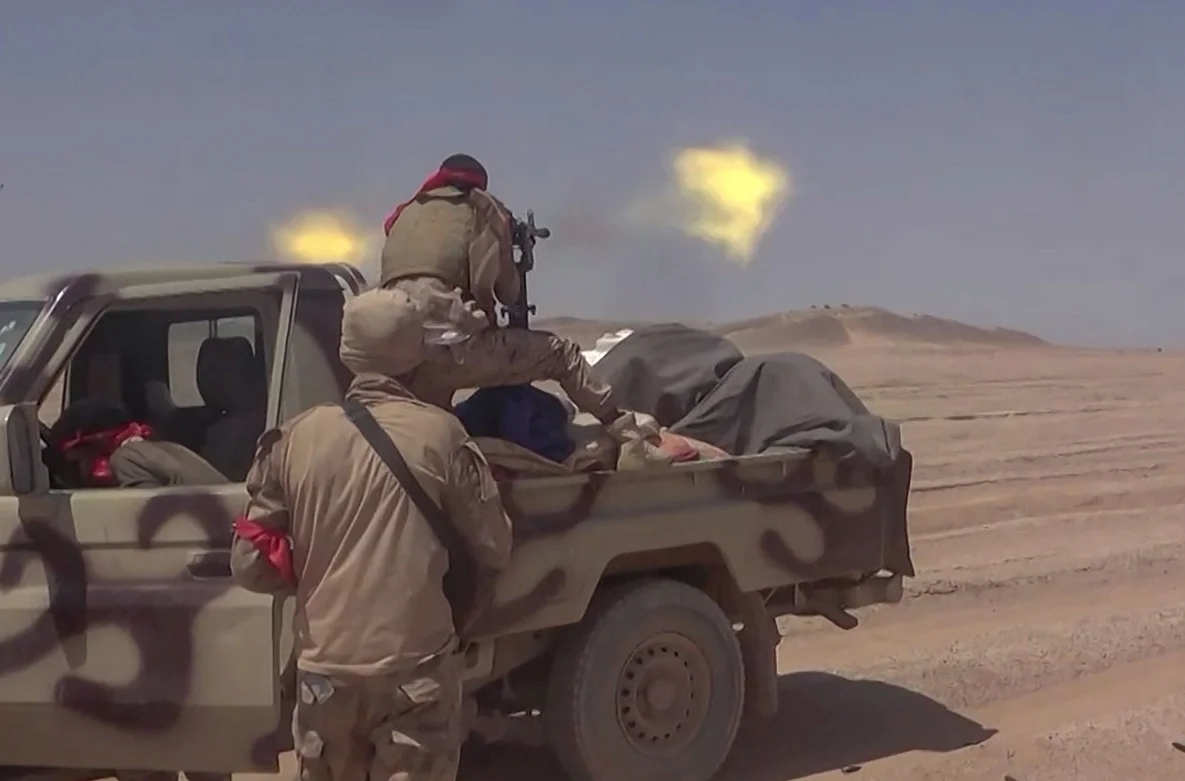
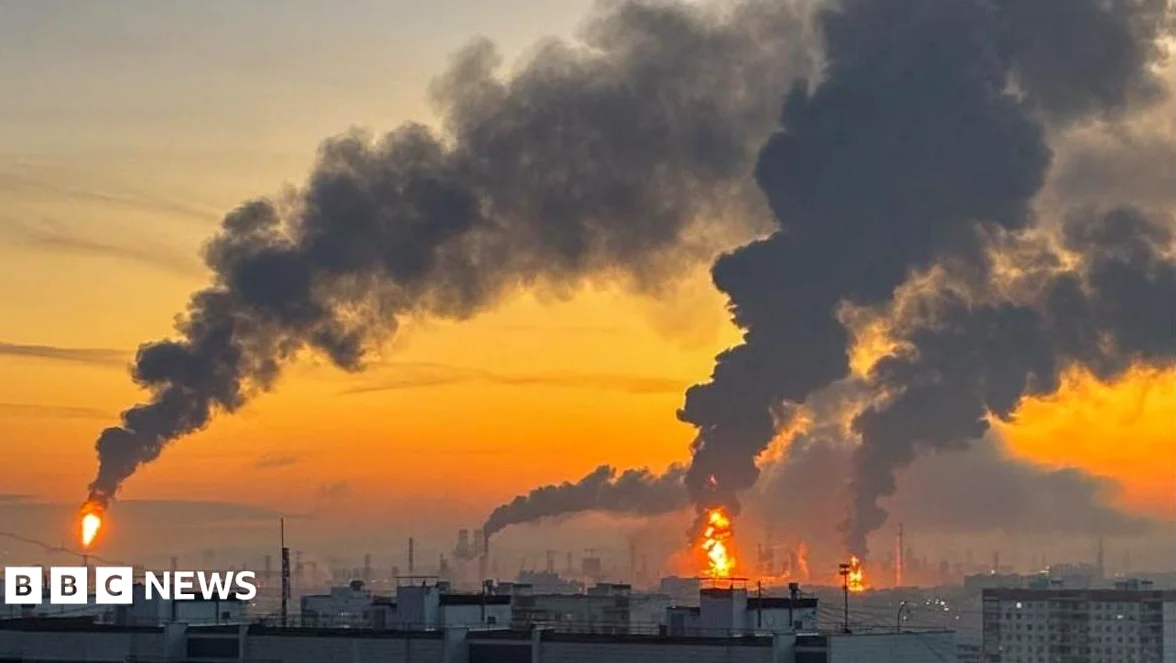
Escalating conflict in the Middle East is disrupting traffic through the Strait of Hormuz, one of the world’s key oil and gas chokepoints, pushing global prices higher and raising concerns even in Cambodia. The war, which erupted after U.S. and Israeli strikes, has led to a near-complete halt in tanker traffic through the narrow passage at the mouth of the Persian Gulf, where about 20% of the world’s oil flows.
Impact on Global and Regional Fuel Markets
Following attacks by Iran on several ships in the strait and warnings to others against attempting to pass, insurers have effectively closed the route. U.S. President Donald Trump has suggested the U.S. Navy could escort vessels and the development finance arm of the U.S. government will provide political risk insurance to mitigate the disruption.
Cambodia, which relies entirely on imported oil and gas because its offshore petroleum reserves remain undeveloped, is particularly vulnerable to the volatility in global markets. The conflict has already pushed global oil prices up between 5% and 25%, according to Cambodia’s Commerce Ministry spokesperson Pen Sovicheat. He said domestic fuel prices will continue to track international markets, with higher prices expected to contribute to inflationary pressure in the country.
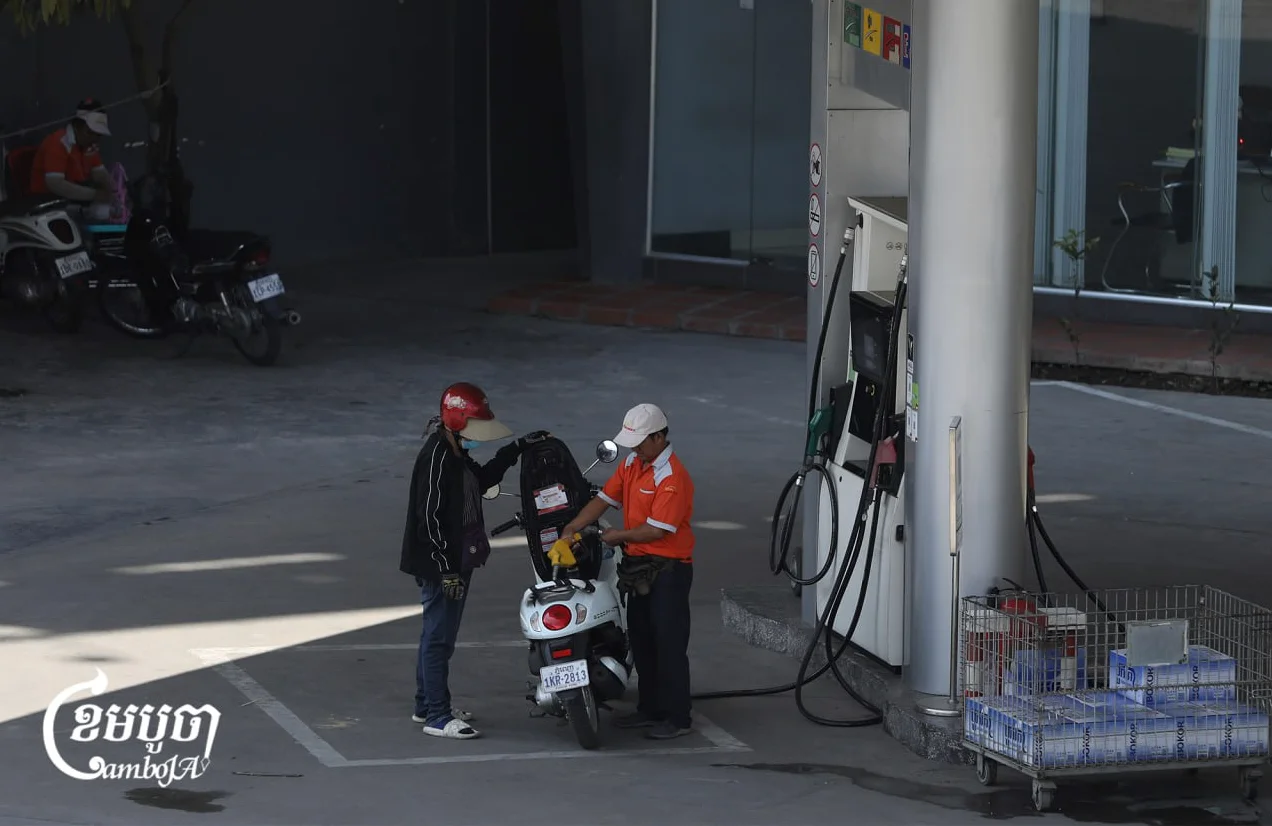
In the latest 10-day pricing cycle, fuel prices in Cambodia rose by 100 riel per liter, about $0.03, for both gasoline and diesel. The ministry said it will continue monitoring international price fluctuations over the next 10 days and has maintained a one-cent-per-liter subsidy to cushion the increase.
Cambodia’s imports of diesel, gasoline and combustion gas totaled nearly $220 million in January, a 1.6% increase from the same period last year, according to government data. Singapore is the country’s largest supplier of refined fuels, following the suspension of imports from Thailand in 2025 due to border clashes before a ceasefire was reached.
Geopolitical and Economic Concerns
Cambodian economists warn that the prolonged instability in the Middle East could have broader economic impacts beyond oil and gas prices. Ky Sereyvath, an economist at the Royal Academy of Cambodia, said Cambodia’s exports to Dubai and other Gulf states could be affected, along with tourist arrivals from the region.
Sophal Ear, a Cambodian-American political economy expert and professor at Arizona State University, said Cambodia’s biggest risk from the war involving the U.S., Israel and Iran is disruption to energy supplies and shipping routes. He said the country could face higher inflation, pressure on its current account and a weaker growth outlook depending on how long the conflict lasts.
On foreign policy, he said prolonged instability could sharpen strategic choices for Phnom Penh as it balances close ties with China while maintaining relations with the United States and ASEAN. He added that the real question is whether Cambodia uses this period to double down on a single patron or to quietly build a more diversified and resilient economic and diplomatic portfolio.
Meanwhile, Hong Vannak, an economist at the Institute of International Relations at the Royal Academy of Cambodia, urged the government and stakeholders to establish an urgent mechanism with oil importers and increase fuel reserves from one month to at least three months to ensure stable consumption and prices. He warned that without swift action, Cambodia could face a severe oil price shock.
“The problem is not immediate, but in the long run oil prices will rise and the impact will be greater. When oil prices rise, the cost of goods will also increase, so oil use that is not economically beneficial should be reduced,” Vannak said.
What’s Next for Cambodia
Officials have not announced additional measures, but Cambodia’s fuel pricing mechanism typically adjusts retail prices in line with movements in the international market. Sovicheat said the government will continue its oil import contracts with partner countries even in difficult circumstances, emphasizing the need to maintain supply sources and ensure citizens have access to fuel at reasonable prices.
He said Cambodia has at least one month of fuel reserves if imports are disrupted and urged consumers to conserve fuel and prioritize essential use amid instability. The country’s reliance on imported fuel and the potential for prolonged disruption in the Strait of Hormuz pose a significant challenge for policymakers and businesses alike.
With global oil prices rising to roughly $80 a barrel in over-the-counter trading, analysts predict prices could reach $100. The situation highlights the interconnectedness of global markets and the far-reaching consequences of regional conflicts, even for countries like Cambodia that are geographically distant from the conflict zones.




Comments
No comments yet
Be the first to share your thoughts