

 AP
AP 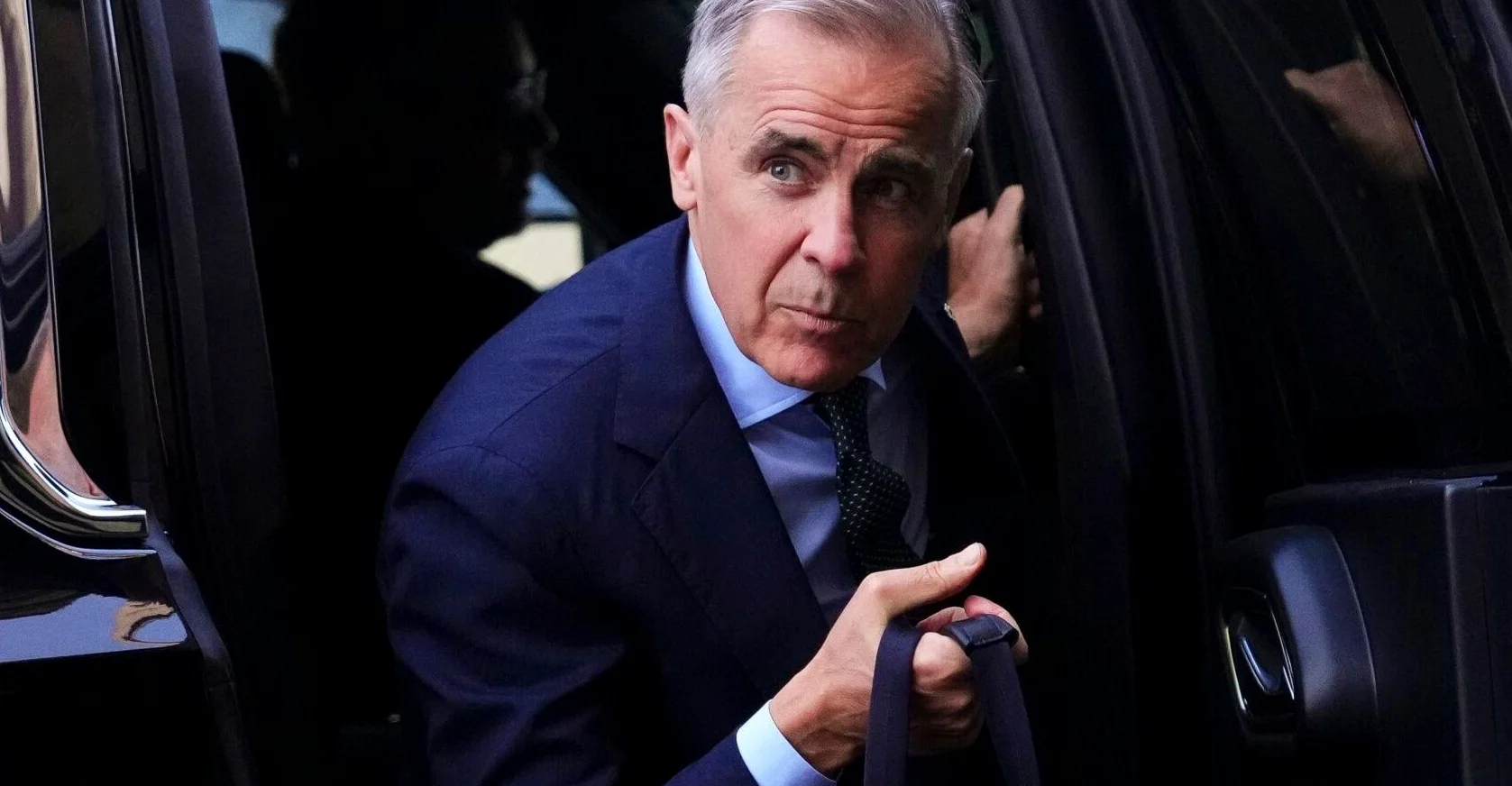
A Partnership with SEFE
The official confirmed Canada will sign the agreement with Germany’s SEFE group, which stands for Securing Energy for Europe, from the proposed KSI Lisims export facility on the coast of British Columbia. The official spoke on condition of anonymity as they were not authorized to speak ahead of Wednesday’s announcement.
According to the official, up to 1 million metric tons (1.1 million US tons) of liquefied natural gas per year will be exported under the agreement.
Canada’s Trade Diversification Goals
Prime Minister Mark Carney has set a goal to double non-U.S. trade in a decade, while Oil and gas-rich Canada exports almost all of its energy oil and gas to the U.S. currently.
British Columbia Premier David Eby said earlier Tuesday a deal to supply Canadian liquefied natural gas to Germany would be a key step toward the partners behind the Ksi Lisims project deciding to go ahead with their $10-billion Canadian (US$7.2 billion) plant and export terminal.
Ksi Lisims, on Pearse Island by the border with Alaska, has the permits it needs but the consortium has yet to make a final investment decision enabling construction to begin.
Eby said sealing up offtake agreements with buyers is a key step before Ksi Lisims can reach that milestone.
The partnership has already signed supply agreements with a unit of London-based Shell and France-based TotalEnergies.
Germany’s Energy Transition
SEFE is a leading German energy utility. It is the former German subsidiary of Gazprom, which Germany nationalized in 2022 as Europe struggles with an energy crisis tied to the war in Ukraine and now the Mideast.
As European countries supported Ukraine, Russia slashed supplies of natural gas used to heat homes, generate electricity, and power industry, creating an energy crisis that is fueling inflation and forcing some factories to shut down as prices have risen.
Germany was a major importer of Russian gas before the war, as the new deal with Canada is seen as an important step in diversifying Germany’s energy sources and reducing dependency on Russian gas.





Comments
No comments yet
Be the first to share your thoughts