

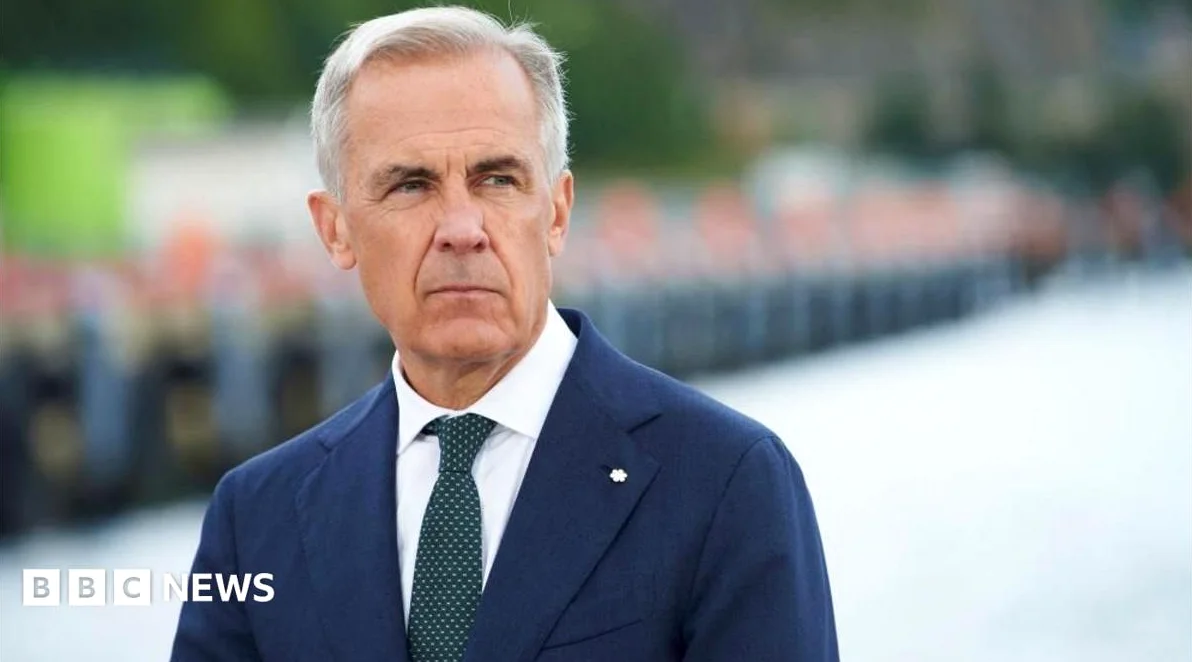
Canadian Prime Minister Mark Carney announced late Friday night that trade negotiations with the U.S. have been suspended, resulting in the implementation of steep 50% tariffs on a wide range of Canadian goods. The duties went into effect at midnight; Carney stated that while progress had been made during weeks of talks, it was not enough to meet Canada’s objectives for its workers and businesses. He directed Canadian negotiators to return to Ottawa.
Retaliation announced
Carney said Canada will retaliate by matching U.S. tariffs ‘dollar for dollar’ to protect its workers and businesses — the tariffs impact about $20 billion worth of U.S. imports from Canada, according to the U.S. Trade Representative’s office. The import taxes will affect everything from hockey sticks, to some building materials, liquors, and certain kinds of clothing.
Failed negotiations and previous optimism
The failure of American and Canadian trade negotiators to reach a deal came after nearly two weeks of intense talks. This marked a dramatic reversal from Tuesday, when U.S. President Donald Trump paused the tariffs for three days on social media, claiming the two sides had a deal. Officials on both sides had appeared optimistic about a deal until the very last moment. On Thursday, Canadian minister Dominic LeBlanc met with U.S. Trade Representative Jamieson Greer for several hours and expressed continued optimism about reaching an agreement.
Canada’s stance on negotiations
On Wednesday, Carney had stated that Canada will not make any more concessions to the U.S. ahead of negotiations on the Canada-U.S.-Mexico Agreement (CUSMA). He emphasized that the U.S. cannot dictate the terms of trade talks. Carney was responding to reports that the U.S. was imposing an “entry fee” on trade talks and demanding concessions before negotiations began.
Carney reiterated that Canada will seek concessions from the U.S. but will not make any in return. He said there are “multiple levels of contact” between Canadian and American officials and both sides have their own lists of trade irritants. The prime minister said both sides have made counter-proposals and it is time to work through those issues more directly.
U.S. Trade Representative Jamieson Greer had told a Capitol Hill committee on Wednesday that Canada and the U.S. need to address trade issues effectively and efficiently to ensure a successful outcome for both countries.






Comments
No comments yet
Be the first to share your thoughts