

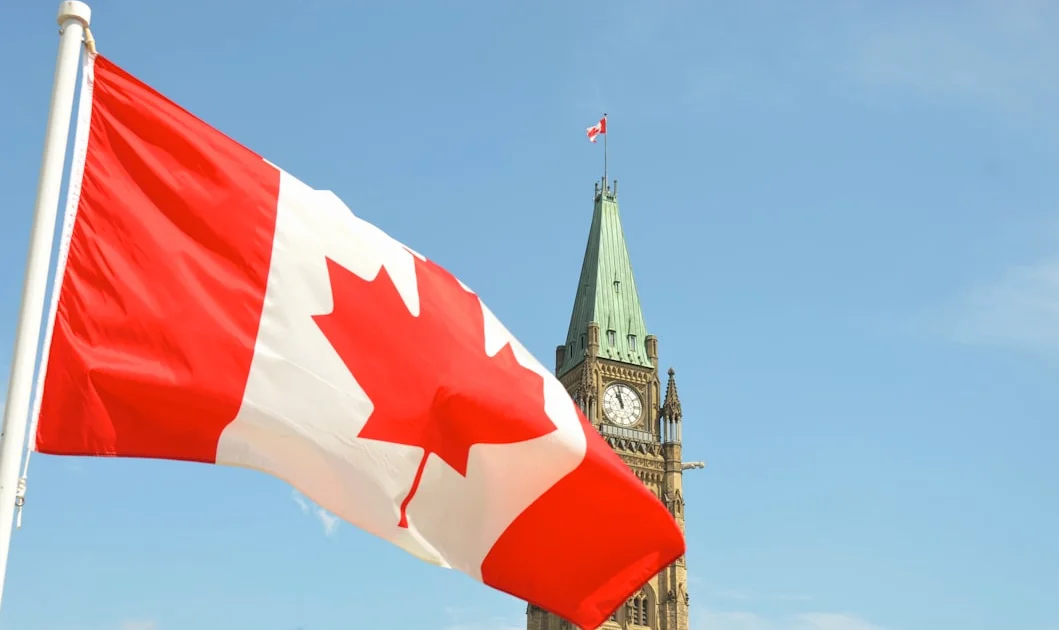
Canada and the United States have engaged in a trade war involving retaliatory tariffs that are now affecting global dairy and agricultural markets, but In response to U.S. tariffs, Canada announced its own tariffs on American dairy and agricultural products. The tit-for-tat measures are expected to create uncertainty for farmers and food processors, with potential long-term shifts in trade dynamics.
Escalating Tensions and Reciprocal Tariffs
The U.S. increased tariffs on all trading partners, prompting some countries to reciprocate. According to a report published by the Norinchukin Research Institute Co., Ltd. on May 21, 2025, the U.S. trade policy under the Trump administration is causing global agricultural turmoil. The introduction of reciprocal tariffs is expected to have a significant impact on the import and export of agricultural products and the prices of agricultural inputs.
Trump initially raised tariffs on U.S. trade partners, but later dropped them back to the 10% level for about 75 countries and postponed larger increases for three months. Meanwhile, China increased its tariffs to 125% on U.S. goods, prompting Trump to respond with a 145% tariff on Chinese imports, while the tit-for-tat approach has created an environment of uncertainty in the global dairy market.
Impact on the Dairy Market
The dairy sector is particularly vulnerable to these trade tensions. StoneX broker Dave Kurzawski noted on the April 14 Dairy Radio Now broadcast that the resulting uncertainty in the markets is concerning, but food commodities have fared relatively well. The soybean market is watching closely, as over half of U.S. beans are exported to China.
Rabobank Global Strategist Mary Ledman warned that the escalating trade war between the U.S. and China is set to impact the global dairy market, particularly lactose and dry whey. The U.S. dairy sector exports over 50% of its dry whey and lactose production to China, and reciprocal tariffs could lead to shifts in trade dynamics. The EU and UK may step in to fill the gap left by China, according to Ledman.
Global Market Reactions and Future Outlook
The bellwether Standard and Poor’s 500 index gained over 8% in minutes during the initial tariff announcements, while crude oil prices fluctuated from $4.00 lower on the day to $2.00 higher. The market reversed direction the next day, reflecting the volatility caused by the ongoing trade tensions.
According to Kurzawski, U.S. cheese and butter prices remain attractive on the world stage, despite the tariff situation — the spot cheese market hit its most recent low on March 21, and the futures market reached its low two days after April 2. The market has since stabilized to higher levels.
In the long term, there are voices expecting a strengthening of the agricultural economy as a result of these trade policies, though However, in the short term, farmers and agricultural producers face uncertainty. Japan, for instance, is being urged to strengthen its domestic agricultural foundation while responding to global trade trends — the Norinchukin report highlights the need for countries to adapt to the shifting trade setting and build resilience in their agricultural sectors.






Comments
No comments yet
Be the first to share your thoughts