

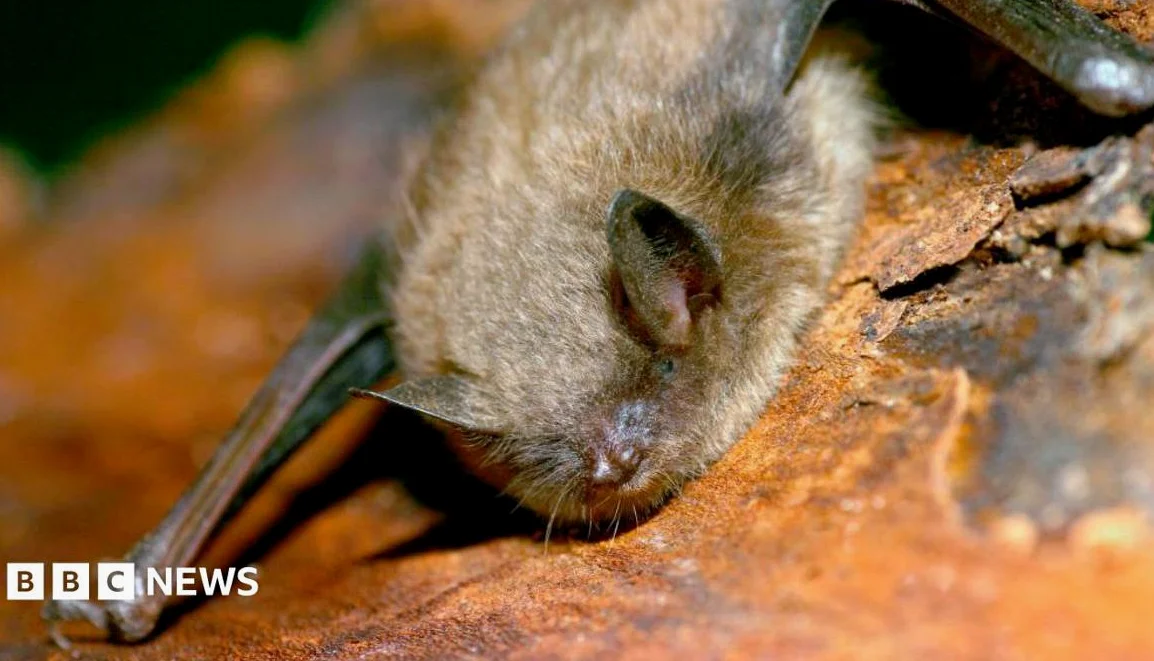
An 11-year-old Canadian boy has died from rabies 19 days after waking up with a bat lying on his face and nose, according to a report published in the Canadian Medical Association Journal (CMAJ). The boy. From Ontario. Had no visible bite or scratch marks, and his parents did not initially seek medical attention because the bat did not appear to behave erratically, as noted in the journal.
Delayed Diagnosis and Worsening Symptoms
According to the CMAJ report. The boy began experiencing numbness and swelling on his face 19 days after the incident; Initially, an emergency clinic prescribed antiviral medication, thinking he might have Bell’s palsy, a condition involving temporary facial paralysis. The family returned to the hospital on consecutive days, where the boy was diagnosed with herpes gingivostomatitis — a viral infection of the mouth and gums, and again the following day after his right side of the face went weak.
During the hospitalization. The boy developed a fever of 39°C (102°F), difficulty swallowing, confusion, and visual hallucinations; he was intubated and admitted to the pediatric intensive care unit. Doctors at the University of Manitoba strongly suspected rabies, and a test later confirmed the diagnosis, as the Canadian Food Inspection Agency identified the virus as a bat rabies variant.
Rabies Awareness and Prevention
The boy’s condition deteriorated rapidly and he died 17 days after being admitted to the hospital, according to the CMAJ. He had no history of allergies, sick contacts, tick bites, or recent international travel. Rabies is extremely rare in Canada, with only 28 human deaths reported since 1924, according to the Canadian Veterinary Medical Association.
Experts emphasize the importance of prompt post-exposure prophylaxis (PEP) after potential rabies exposure. PEP involves a series of rabies vaccines and human rabies immune globulin injections. If administered before symptoms develop, it can prevent death. However, once symptoms appear, as in this case, rabies is almost always fatal and no cure is available.
According to the report, the boy’s parents agreed to share their son’s case to raise awareness about rabies. Co-author Brian Hummel stressed that any direct contact with a bat, even without visible signs of a bite or scratch, should be discussed with public health authorities and treated as a potential rabies exposure.
Broader Implications for Public Health
Experts hope the report will serve as a guide to help prevent future rabies cases. Bats are the primary carriers of rabies in North America, and their bites or scratches are often small and difficult to detect. In 2024, this case in Ontario marked the first rabies-related death in the province in over 50 years.
According to the CMAJ, the boy’s case highlights the importance of early recognition and treatment of potential rabies exposure. Public health officials urge individuals to seek immediate medical attention if they have had contact with a bat or any other rabies-prone animal.






1 Comment