

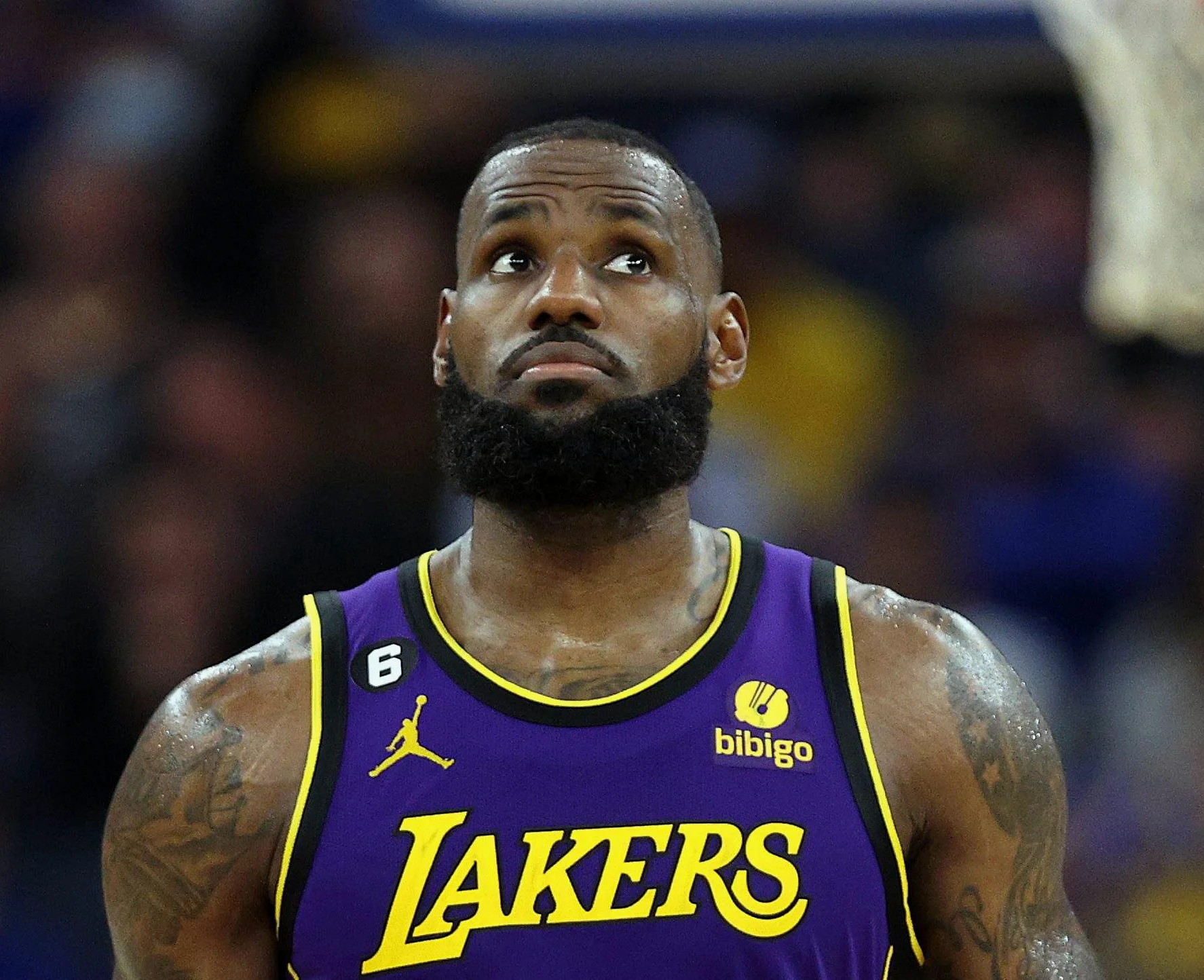
The Cleveland Cavaliers’ decision to send Darius Garland to the Los Angeles Clippers in exchange for James Harden backfired, according to multiple reports, as the trade, which took place on February 4, 2026, cost the team a chance to reunite with LeBron James, who ultimately signed with the 76ers. ESPN’s Brian Windhorst noted that the absence of Garland, a point guard James had expressed interest in playing alongside, was a critical factor in James’ decision.
Why the Harden Trade Backfired
According to Windhorst. The Cavaliers’ roster lacked key elements that would have made a return to Cleveland appealing for James. The three main issues were the team’s failure to acquire Jaylen Brown, the absence of Garland, and the family situation not being a deciding factor for James. “To say it was one of these factors more than the other might be missing the big picture,” Windhorst wrote.
Darius Garland, the team’s former point guard, had helped the Cavaliers to 64 wins in the 2024,2025 season — the most since James’ first season with the team. His departure for Harden, who is 10 years older, raised eyebrows among analysts and fans alike. Some believed the move was a short-sighted attempt to boost Cleveland’s backcourt with veteran experience, but the long-term consequences are now clear.
Harden’s Performance and the Playoffs
James Harden’s performance with the Cavaliers was lackluster in the 2025 playoffs. He shot just 40.9% from the floor and 29.9% from three-point range. The team’s scoring average plummeted from 119.9 points per game in the regular season to 107.9 in the postseason, casting further doubt on Harden’s value in the high-stakes environment of the playoffs.
Despite averaging 25.4 points and 8.1 assists per game for the Clippers in the 2025,2026 season, his best numbers since playing for the Houston Rockets — Harden’s ability to lead a team was questioned. The Clippers won 17 of their final 21 games before the trade, but the decision was still made to send him to Cleveland, a move that Harden himself reportedly pushed for.
Financial and Strategic Missteps
Financial constraints also played a role in the trade. Harden was under contract for two years, with a player option for the second season, and had not signed an extension with the Clippers. The trade allowed the Clippers to gain flexibility by acquiring Garland, who is under contract until 2028 and offers both talent and youth. In return, the Cavaliers gained Harden’s scoring and playmaking but lost a young, key building block in Garland.
The decision to trade Garland for Harden was further compounded by the fact that the 76ers were able to offer a more appealing package to James, including a long-term roster plan and a more competitive supporting cast. Meanwhile, Cleveland’s roster did not evolve in the way James would have wanted for the final chapter of his career.
As the dust settles, the trade is being seen as a major misstep that not only failed to elevate the Cavaliers’ chances in the 2025,2026 season but also cost them a chance to bring back one of the most iconic players in the franchise’s history.






Comments
No comments yet
Be the first to share your thoughts