

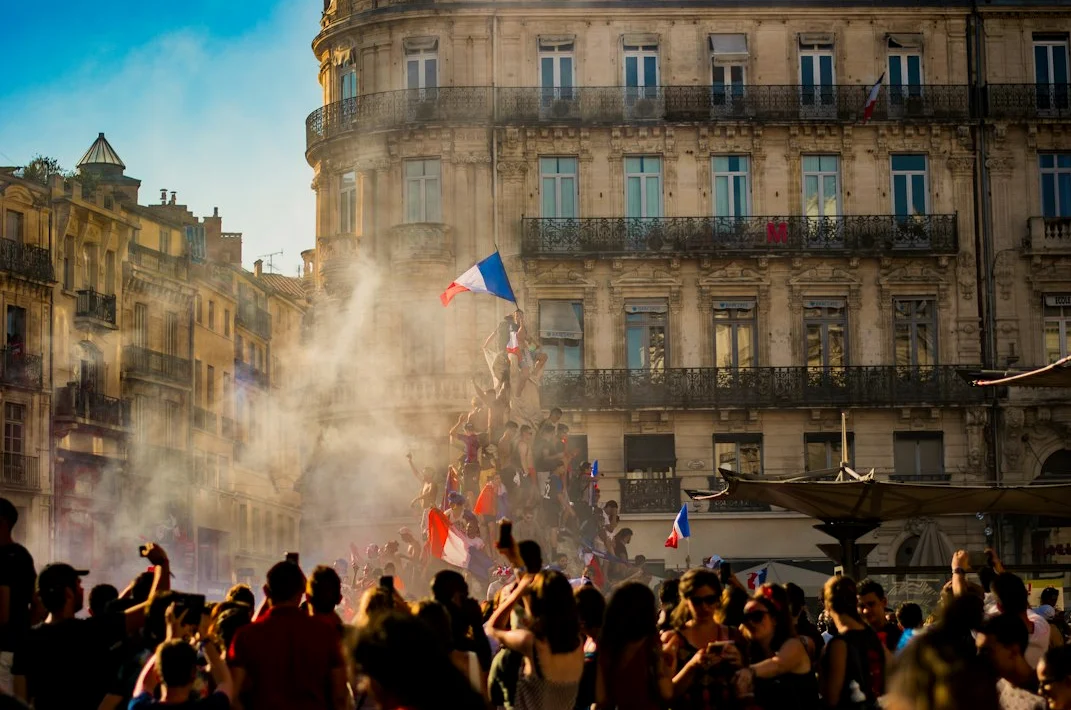
The protests, organized by five major unions, focused on demands for an increase in the minimum wage, currently set at €12.31 an hour, and better funding for public services. The movement began in September with student protests over poor conditions in high schools and has since expanded to include workers, rail employees, and public sector staff. CGT leader Sophie Binet said the message was clear: “The only thing that will bring this mobilisation to a halt is responding to our demands.”
The strikes caused widespread disruption. About 9.89% of civil servants were on strike, and a third of high schools were affected by blockades or strikes. Public transport, schools, and hospitals were disrupted, and the Eiffel Tower and some Louvre exhibition rooms were closed. France was expected to import more electricity than it produced due to disruptions at nuclear plants.
While most of the protests were peaceful, there were reports of violence in several cities. In Lyon, a car was set on fire near the Gallieni bridge, and in Bordeaux, tear gas was used to disperse protesters. A teenager was injured in a stabbing at a high school blockade in Seine-Saint-Denis. Interior Minister Laurent Nuñez said 70,000 police officers were deployed and vowed a “firm response” to any outbreaks of violence. In Rennes, a group of masked individuals attempted to block roads and threw steel balls at police.
Prime Minister Sébastien Lecornu announced a “social conference” with unions and employers for the following Monday to address concerns over wages and the cost of living. The government has already taken some measures, including releasing 10 million barrels of diesel from strategic reserves to lower fuel prices and reforming the Parcoursup university admissions platform. Lecornu said the meeting would seek to “provide answers to questions surrounding purchasing power and wages.”
The protests are occurring as France approaches the 2027 presidential election, with far-right candidate Marine Le Pen currently leading in polls. Unions have criticized Macron’s government for not addressing inequality and for what they see as an authoritarian shift in policing and protest restrictions. CGT’s Binet said the government was engaging in an “authoritarian drift,” while the Ligue des droits de l’Homme said there had been an “authoritarian shift” to stifle dissent.
The protests have drawn broad support across sectors, including teachers, hospital workers, rail employees, and students. A CGT leader said the government was “not reasonable” and that workers would continue to strike until demands were met.



Comments
No comments yet
Be the first to share your thoughts