

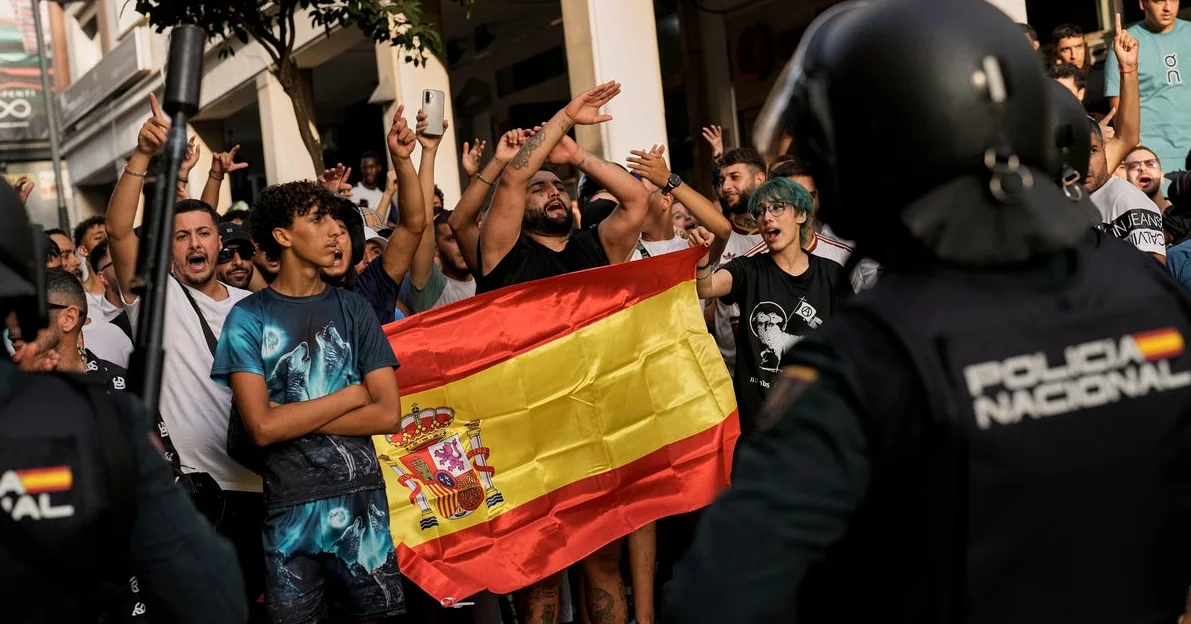
Ceuta, a city in northern Spain known for its diverse cultural mix, is still reeling from a massive border surge that occurred over two days, the unauthorized arrivals of 50,000 to 60,000 migrants—mostly young men,doubled the city’s population, according to CBS News and AOL.com.
Humanitarian Crisis and Casualties
Spanish authorities reported that at least 72 people died in the border surge. Some drowned, while others were killed in a stampede to cross a breakwater barrier. Civil guard ships continue to search for migrant bodies in the waters near the urban beach where the breach occurred. “It’s not the young men’s fault,” said Mohamad Abdelkader Driss, 44, a local waiter. “If you open the border, of course everyone comes in, but the young men aren’t to blame. The authorities are responsible.”
Migrants who returned to Morocco described a border that was effectively open, with authorities doing little to prevent the crossings. Spain has announced plans to construct a containment fence to prevent future surges.
Local Reactions and Political Tensions
Ceuta’s residents remain divided on what caused the surge and who is to blame. Some locals, like Abdelkader, expressed regret but noted that the migrants behaved relatively well. “It could have been much worse,” he said.
Over the weekend, far-right Spanish politicians and anti-immigrant influencers visited the city, calling for the expulsion of remaining migrants. Their presence sparked counterprotests, including from members of the city’s large Muslim population, many of Moroccan descent, according to AOL.com.
Immigration Debate Rekindled
The incident has reignited immigration debates across Europe and beyond. The sudden influx of migrants and the resulting humanitarian crisis have raised questions about border control, migration policies, and the responsibilities of both local and national authorities.
While Spain moves forward with plans to build a containment fence, the situation in Ceuta highlights the ongoing tensions between border security and humanitarian concerns. The city’s population of four cultures now faces the challenge of maintaining social cohesion amid political polarization and the emotional aftermath of the tragedy.


Comments
No comments yet
Be the first to share your thoughts