

 Reuters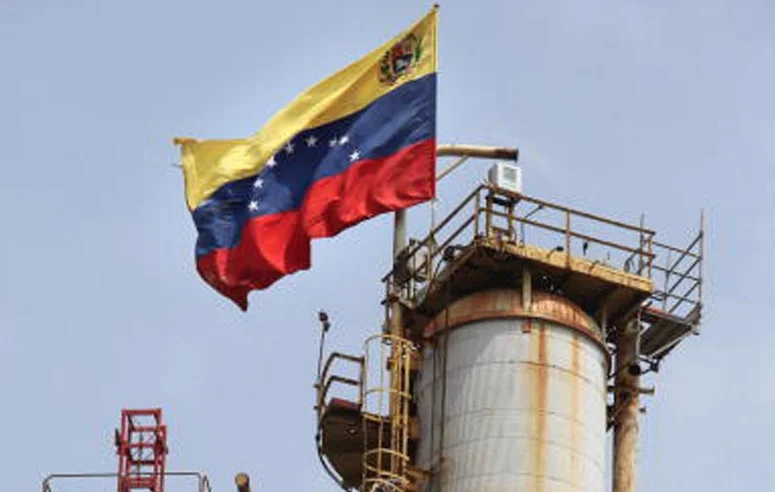
Foreign energy firms are competing for short-term projects to revive Venezuela’s battered oil sector after U.S. sanctions eased following a military operation that ousted President Nicolas Maduro in early January. U.S. President Donald Trump aims for American companies to invest $100 billion in the industry, neglected for two decades under socialist leaders Hugo Chavez and Maduro.
Current output stands at 1 million barrels per day. Two executives from companies operating there predict early expansions could add 500,000 barrels daily in six months. U.S. Energy Secretary Chris Wright, speaking in Caracas this month, forecast a “dramatic increase” soon.
Houston and Venezuela’s oil regions buzz with activity. Industry veterans compare the repair job to post-Gulf War efforts in Iraq or Kuwait’s scorched fields after Saddam Hussein’s invasion. Half a dozen workers, executives and analysts described the initial phase: Deploy existing rigs. Refurbish idle wells and underperforming upgraders. Fix PDVSA-run ports and pipelines.
Even these steps prove grueling. A Reuters reporter touring Lake Maracaibo in early February spotted oil-slicked junk, overflowing tanks, abandoned fields, blackened shores and gasoline lines near PDVSA sites. The lake, Venezuela’s oldest production hub with the second-largest capacity, holds 20,000 kilometers of subaquatic pipes.
The Alula rig’s saga highlights the risks. China Concord Resources Corp brought it last year. It struck a pipeline, spilling crude for months until repairs allowed installation. Output gains since have been minimal. The firm targets 60,000 barrels per day by year-end from two fields, up from 16,000 in December. That requires a $1 billion push to revive 875 inactive wells before new drilling. A project source cited gas shortages, lost data and transport woes as blockers.
Trump’s stance clouds such efforts. He declared firms from China, Russia and Iran unwelcome. Those nations previously filled the void under sanctions.
Chevron holds an edge. The U.S. major, long the sole American producer there, seeks Lake Maracaibo’s light crude to blend with Venezuela’s tar-like heavy oil. Without diluents or upgraders, heavy reserves stay stranded. Chevron competes for supplies in the polluted lake and neglected Monagas North areas, overlooked for the Orinoco Belt.
A former Chevron employee in Venezuela said Maracaibo oil costs less to produce, especially with low crude prices, as it needs no pre-export treatment. Options include reopening shuttered wells, reconditioning low-output ones and drilling anew. Chevron has a list of potential sites ready, the employee added.
Chevron stated it “has been a part of Venezuela’s past and remains committed to working in partnership for its future.” The company welcomes recent U.S. licenses and Venezuelan legal reforms.
Other players include Repsol of Spain, Italy’s ENI, France’s Maurel & Prom and China National Petroleum Corp. They vie for gear like 14 stored SLB rigs in Venezuela, sources said. Houston-based SLB, a top service provider, supported Chevron’s 2024 drilling under prior licenses. Its rigs served PDVSA before 2019 sanctions halted U.S. operations.
SLB confirmed operational facilities, equipment and staff in country. It is in “early stages of collaboration” with clients and ready to ramp up under safe conditions.
Orinoco Belt demands rigs for well clusters. Diluents top the list to clear inventories and lift exports. Chevron and PDVSA partners prioritize upgraders, light oil, naphtha and infrastructure like the Bajo Grande terminal. Lake Maracaibo’s shipping channel needs dredging, long stalled by sanctions.
Venezuela’s oil ministry and PDVSA ignored comment requests. China Concord was unreachable.



Comments
No comments yet
Be the first to share your thoughts