

 BBC
BBC 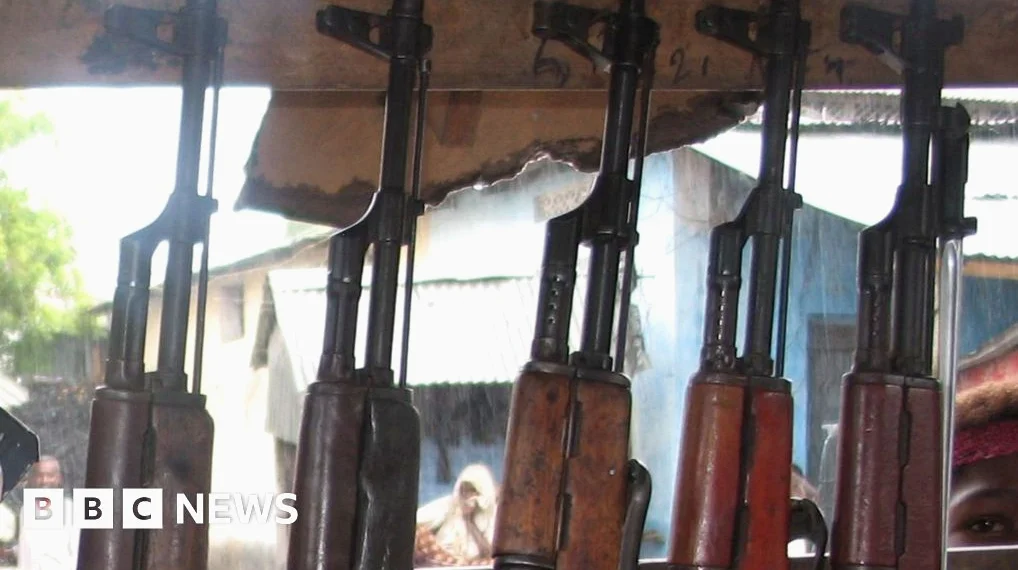
Shopkeeper Yusuf Ali, 34, still battles with memories of his time as a child soldier fighting on the streets of Somalia’s capital, Mogadishu — the Islamist insurgency that erupted nearly 20 years ago has left many with psychological scars, but few resources are devoted to helping them heal.
War and Political Shifts in Somalia
When Ali was 14, a coalition of Sharia courts seized power in Somalia, providing a brief sense of stability after years of clan warfare since the administration of President Siad Barre collapsed in 1991. However, the Union of Islamic Courts (UIC) marked the first instance of political Islam gaining a foothold in the African continent since the 9/11 attacks on the US.
Policymakers in Washington viewed the UIC with hostility, accusing it of having ties to al-Qaeda. Its military youth wing was known as al-Shabab, meaning “The Lads.” In December 2006, thousands of Ethiopian troops, backed by American drones, invaded Somalia to topple the courts just six months after they took over.
Personal Experiences of Conflict
Ali lived in Huriwaa, an impoverished district in the north of Mogadishu. At one, he had lost his father in what has been dubbed the “Battle of Mogadishu,” when Somali fighters clashed with US soldiers after the downing of two American Black Hawk helicopters. The guerrilla warfare that overtook Mogadishu during the Ethiopian invasion changed him forever.
“At night, I’d often hear a buzzing sound. I was in secondary school and didn’t realise it then, but these were planes surveilling our neighbourhood,” Ali tells the BBC. By the spring of 2007, fighting intensified with heavy shelling and bombardment of densely populated civilian neighbourhoods suspected of sheltering insurgents.
“On one of the nights, a large barrage of shells hit our area and some of them struck our neighbour’s house. Our house shook and I felt like the soil under my feet had moved,then I started hearing screams,” Ali recalls. Frantic residents struggled to lift the rubble and that was when he saw a lifeless body. “Someone aimed a torch and I saw blood stains and a body lying nearby. A young girl that looked around my age, but she wasn’t moving. I’ve seen death, but nothing prepared me for that night.”
Recruitment and the Fight for Mogadishu
Ali and many others were drawn into the conflict by the call to defend their country from “Gaalo,” a term in the Somali language meaning infidels. From the sermons at the mosque, everyone was fired up to fight. This drew him to Muqawama, which included former army commanders. “They trained us in small arms fire… We practised hit-and-run attacks,” he says.
Ali, by now aged 16, found himself in Mogadishu with other young combatants engaged in urban warfare. They were given guns,no payment—but would eat together with the other fighters. Some of those he was trained to kill were also young, including Somali soldiers allied to the transitional government who were fighting alongside Ethiopian troops.
“Street by street, from windows and doorways, we were firing on Ethiopian soldiers and the Somali soldiers with them,” he says. “At times I’d find myself shooting… and as we advanced and noticed a dead [Somali] soldier was around my age, I paused but then would keep moving because the fighting was so intense. It was either killed or be killed,and this was a cause we were willing to die for.”
Ali eventually found himself at a crossroads, questioning if it was a war worth fighting. “Some of the men I fought alongside were now fighting their former comrades. My mother and siblings wanted better for me. And so did my uncle,and he urged my family to let me go to South Africa and live with him to start afresh.
In 2009, Ali was smuggled to Johannesburg by road where he remained for five years working in his uncle’s shop. But xenophobic attacks in South Africa often target outlets owned by foreigners, which drove him home to Mogadishu. He found a city rebuilding itself: a functioning airport, paved roads some lined with restaurants and street lighting keeping once-feared neighbourhoods alight after dark.
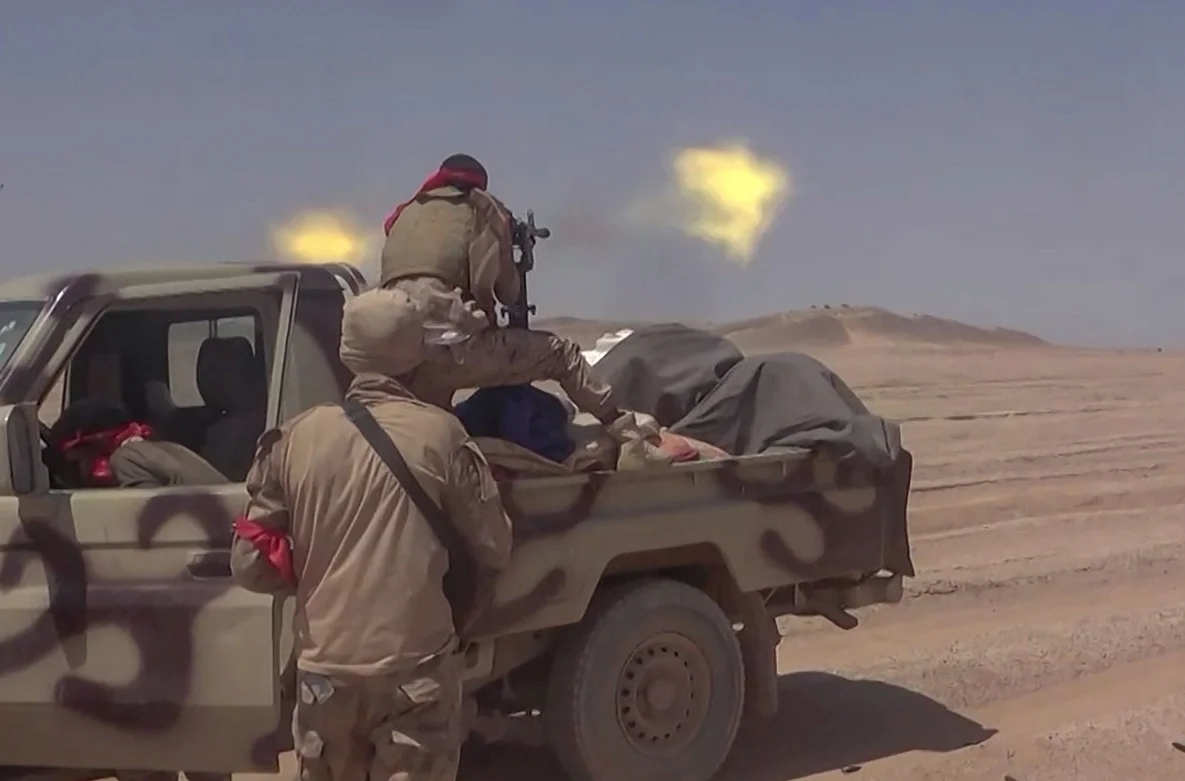
However, politically it was a mess. Al-Shabab had morphed into a powerful, hardline militant group controlling large swathes of the country outside Mogadishu where it imposed a strict form of Islam. It had a large network of spies inside the city—and organised frequent targeted assassinations against those working in the fledgling government, which was backed by the international community and an African Union force.
Ali has never had any counselling or other help to get over his experiences—nor have other ex-child soldiers he knows who have become drug addicts. “In Somalia, we don’t talk about our problems,” he says. “I try to find peace through prayer. We pray and keep things to ourselves. This is the culture here and is the reason why many people are hurting but most don’t realise it.”


Comments
No comments yet
Be the first to share your thoughts