

 BBC
BBC 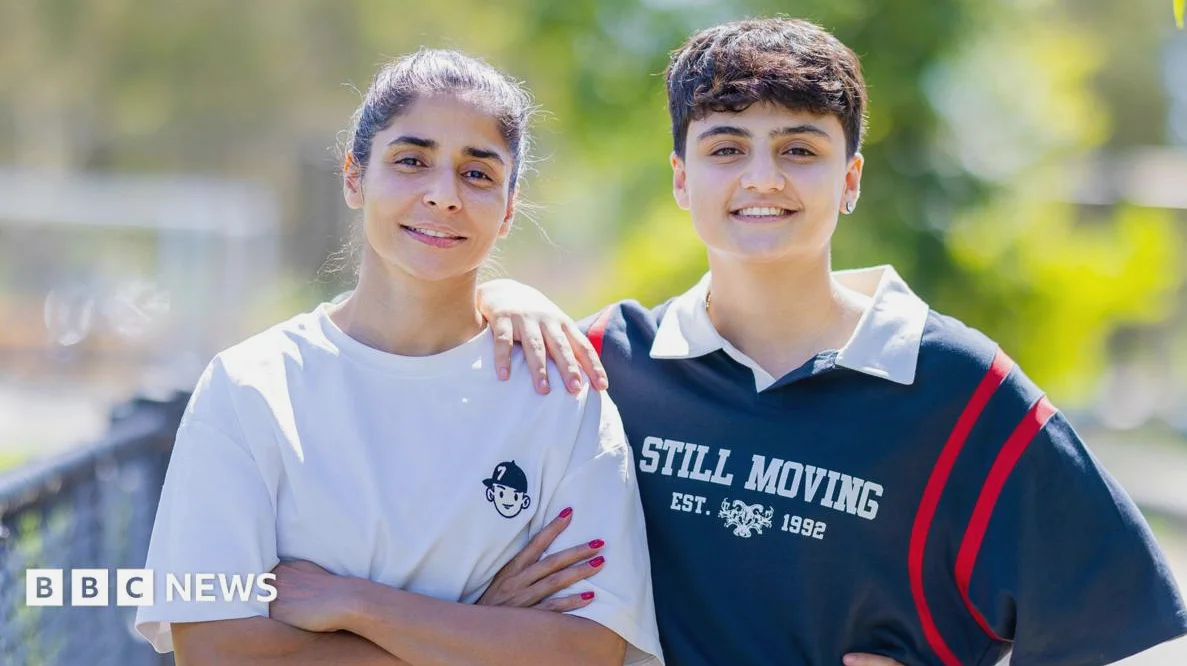
Tuesday marked a historic moment in Brisbane, Queensland, as Atefeh Ramezanisadeh, 34, and Fatemeh Pasandideh, 22, were naturalised as Australian citizens. Both women were part of Iran’s national football team that sparked controversy by refusing to sing the Iranian anthem at their opening match of the Women’s Asian Cup in March.
A Defiant Stand and a New Beginning
Ramezanisadeh described the occasion as a “truly special and unforgettable day,” while Pasandideh said, “this moment means more than words can express.” The two were among seven Iranian players granted humanitarian visas to Australia during the tournament. However, the other five ultimately chose to return to Iran, despite fears they might face repercussions from their government for their protest.
The decision to remain and seek asylum was not an easy one, but Under pressure from the Iranian community in Australia, the government initially offered the players the chance to apply for asylum. In the end, only Ramezanisadeh and Pasandideh accepted the offer, as their naturalisation came as the Australian government moves toward introducing stricter immigration policies.
Stricter Immigration Policies on the Horizon
The new visa rules, expected to be announced soon, will restrict the work and appeal rights of asylum seekers and ban visitors from applying for family visas. These changes have drawn criticism from refugee advocacy groups, who argue they could endanger the safety of those seeking asylum, but Meanwhile, political opponents of the government have pushed for even stricter immigration measures.
Pasandideh said, “It’s a new beginning and a place I’m proud to call home,” while Ramezanisadeh added that she felt “proud and deeply grateful to become an Australian citizen.” The citizenship ceremony was attended by Australian Interior Minister Tony Burke, who presented the pair with their official certificates.
Ongoing Tensions in Iran
The Iranian team’s protest took place against the backdrop of escalating conflict between Iran, the United States, and Israel, which began on 28 February when joint air strikes were launched. Days later, the team refused to sing the Iranian anthem before their match, a decision that drew strong criticism from state media, though a state TV host accused the players of being “traitors” who deserved punishment for their silence.
Human rights activists have raised concerns that the players who returned to Iran may have been subjected to pressure or threats, particularly against their families; Iran’s sports ministry, meanwhile, stated that the players who returned had “defeated the enemy’s plans” through their “national spirit and patriotism.”
Since gaining citizenship, Ramezanisadeh and Pasandideh have continued their football careers, training with the A-League Women’s team Brisbane Roar; they are now focused on building new lives in Australia, determined to pursue their sporting ambitions while leaving behind the tensions of their homeland.






Comments
No comments yet
Be the first to share your thoughts