

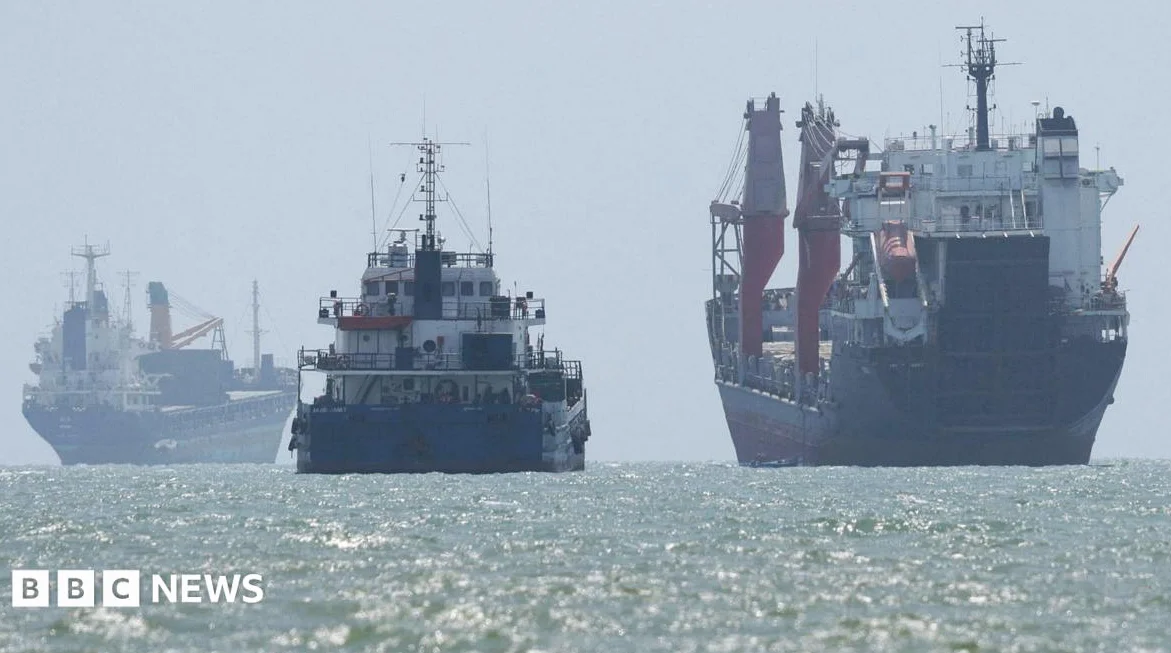
China has denounced the latest US sanctions targeting Iran and its trading partners as ‘illegal,’ according to the Guardian and Al Jazeera, while the move follows a US Treasury announcement naming 60 individuals and entities for alleged involvement in trade with Iran. No Chinese financial institutions were included in the initial sanctions list, despite their role in financing the Iranian oil trade, the Guardian reported.
China Opposes ‘Unilateral’ US Sanctions
China’s foreign ministry spokesperson, Lin Jian, stated that cooperation between China and Iran has always been conducted within the framework of international law and should not be interfered with or disrupted. He emphasized that China ‘firmly opposes illegal unilateral sanctions,’ according to the Guardian.
China is estimated to buy 80% of Iran’s oil exports, defying previous US efforts to limit the flow of revenue to Iran. Experts say the Trump administration is cautious about how far it can go in confronting China over this issue, especially with a planned summit between Donald Trump and Xi Jinping approaching, according to the Guardian.
Analysts Predict Diplomatic Caution
Trita Parsi, executive vice president of the Quincy Institute for Responsible Statecraft, told Al Jazeera that threats to sanction Chinese entities over trade with Iran are unlikely to materialize due to diplomatic and legal obstacles. He said that if the US targets Chinese companies weeks before Xi Jinping’s visit to Washington, it would face significant friction.
Parsi also noted that during the recent war, China helped prevent a global economic crisis by temporarily halting oil purchases, which kept crude prices under $100 per barrel for extended periods. This move, he suggested, indirectly protected the US economy from an energy shock.
Majidreza Hariri, president of the Iran-China Chamber of Commerce and Industries, criticized US policies, warning that Washington has entered into an ‘economic war’ with Tehran, according to Al Jazeera.
Risks of Economic Retaliation
Financial and trade experts warn that the US is aware of the risk of Chinese retaliation before the Trump-Xi summit; China could respond through financial markets or by imposing limits on the export of critical minerals, according to the Guardian.
US Treasury Secretary Scott Bessent, when asked why the administration had not declared immediate sanctions on Chinese entities, replied: ‘Why would I want to blow up the global financial system?’ according to the Guardian. His comment highlights the administration’s awareness of the potential consequences of aggressive action against China.
With China maintaining a long-standing relationship with Iran, the US is walking a fine line between enforcing sanctions and avoiding a broader economic confrontation; the situation remains tense as both sides manage diplomatic and economic interests ahead of high-level meetings.


Comments
No comments yet
Be the first to share your thoughts