

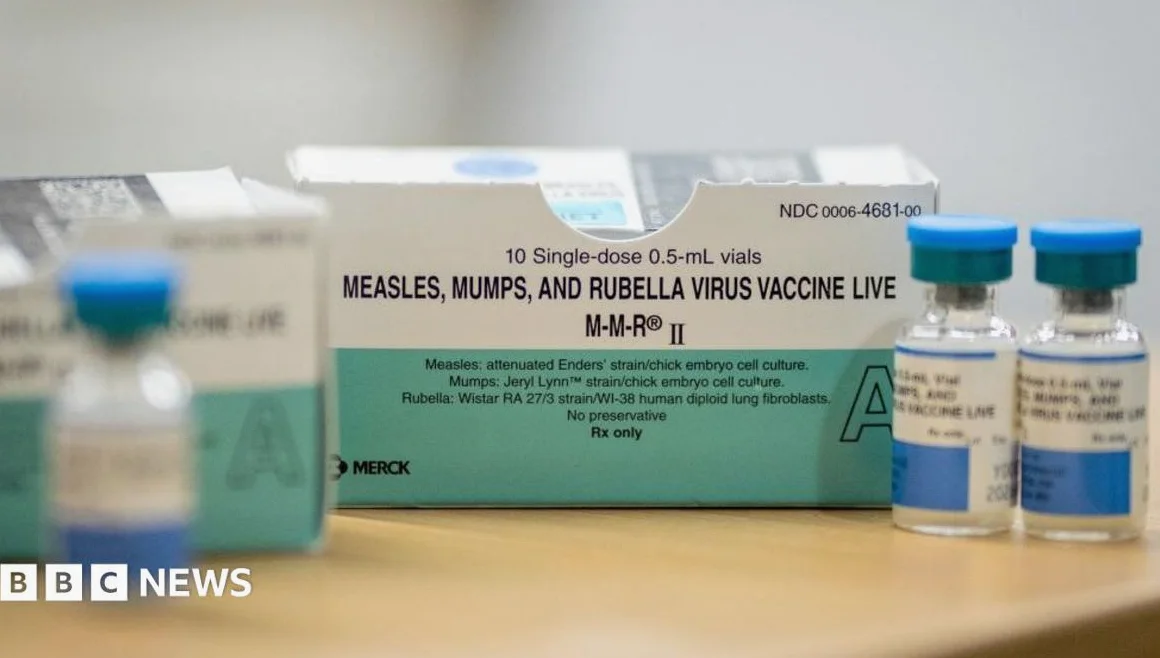
Two individuals in Lancaster County have died from measles, the first fatal cases linked to the disease in the state since 1989, state health officials confirmed on Tuesday. Both victims were unvaccinated, and officials will not release further details about their identities to protect their privacy.
Measles Outbreak Worsens
As of Tuesday, Pennsylvania had confirmed 393 measles cases in 28 counties this year. Lancaster County remains a hotspot, with 177 cases since April alone. The state Department of Health said the virus is spreading quickly due to its high contagion rate and a decline in vaccination rates in certain areas.
The U.S. has recorded more than 2,700 cases of measles in 2026, surpassing the previous annual record from last year. The disease was declared eliminated in the U.S. in 2000, but in the past 18 months, more cases have been reported than in the previous 25 years combined. Experts now expect the U.S. to lose its measles elimination status, a recognition by the World Health Organization that the disease is no longer transmitted regularly within the country.
Health Officials Urge Vaccination
Dr. Debra Bogen, Pennsylvania’s Secretary of Health, expressed condolences to the victims’ families and emphasized the importance of the MMR vaccine. ‘My deepest sympathies are with the loved ones who are facing this unimaginable loss,’ she said in a statement. ‘As a physician, I want to make sure that people understand that the MMR vaccine is safe and provides the best protection we have against measles.’
Measles is a highly contagious viral illness that spreads through coughing, sneezing, or breathing. The virus can remain airborne for up to two hours, increasing the risk of transmission. Early symptoms include fever, cough, runny nose, and red, watery eyes. A rash typically appears three to five days after the initial symptoms and starts on the head before spreading downward.
Public Health Concerns Grow
Health officials are urging Pennsylvanians to take precautions, especially those who are unvaccinated or unsure of their vaccination status. The MMR vaccine is considered the most effective way to prevent measles. Health leaders have noted that many people in the commonwealth are unfamiliar with the disease due to its absence for decades, which can lead to complacency about its risks.
While the state has not issued a formal vaccination mandate for the outbreak, health officials are working with local governments and health care providers to increase awareness and access to vaccines. The deaths expose the potential severity of measles, particularly for those without immunity, and highlight the importance of vaccination in preventing future cases and complications.




Comments
No comments yet
Be the first to share your thoughts