

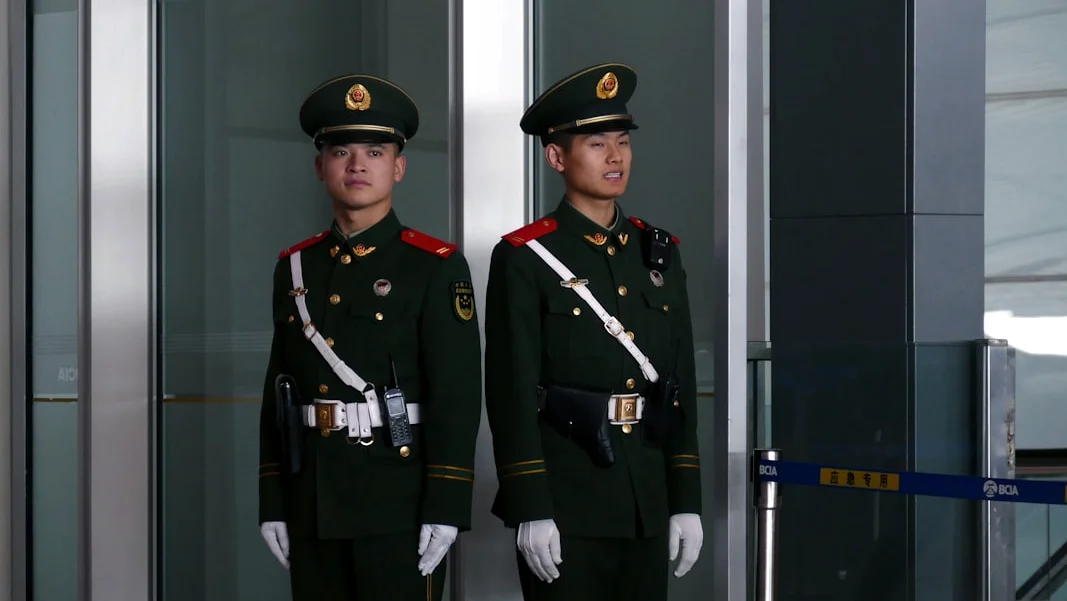
China has refused to assist the United States in reopening the Strait of Hormuz, a critical waterway for global oil trade, despite a request from President Donald Trump. The refusal comes as the U.S. faces growing difficulties in its military campaign against Iran, with oil shipments through the strait halted and U.S. allies unwilling to step in to secure the region. Analysts suggest that China, the U.S.’s principal geopolitical rival, may be capitalizing on the situation by maintaining a strategic distance from the crisis.
Impact on Trade and Global Markets
The Strait of Hormuz is a vital artery for global oil transport, with nearly 20% of the world’s oil passing through its waters. With oil shipments disrupted, global energy markets have become increasingly volatile. Gas prices in the United States have risen sharply, and analysts warn of further economic repercussions if the strait remains closed for an extended period. The U.S. has struggled to secure the strait on its own, with allies like the United Arab Emirates and Israel declining to commit to military operations in the region.
“President Trump’s request to delay his long-awaited summit with President Xi Jinping highlights how significantly he underestimated the fallout from Operation Epic Fury,” said Ali Wyne, senior research and advocacy adviser for U.S.-China relations at the International Crisis Group. “A show of U.S. force that was meant to intimidate Beijing has instead served to puncture the illusion of U.S. omnipotence: Unable to reopen the Strait of Hormuz alone, Washington now needs its principal strategic competitor to help it manage a crisis of its own making.”
Chinese Diplomacy and Strategic Calculations
The Chinese Foreign Ministry has not directly addressed whether it would assist in reopening the strait but has reiterated its call for “parties to immediately stop military operations, avoid further escalation of the tense situation and prevent regional turmoil from further impacting the global economy.” Beijing has not officially confirmed Trump’s planned state visit, originally scheduled for March 31, but has signaled openness to rescheduling the meeting. The Chinese government has also clarified that the delay in the visit has no direct connection to Trump’s request for assistance in the Middle East.
On Tuesday, Trump claimed that China was “fine” with the delay and described his relationship with Chinese officials as “a very good working relationship.” However, analysts suggest that China may see the delay as an opportunity to avoid direct involvement in the conflict while maintaining diplomatic engagement with the U.S.
Sun Yun, director of the China program at the Stimson Center, noted, “I think the Iran request is now going to be less pressing for China to fulfill.” Chinese diplomats have been actively engaging with Middle Eastern countries, promising to play a constructive role in de-escalating tensions and restoring peace in the region.
Humanitarian Aid and Regional Influence
On Sunday, Beijing delivered an emergency humanitarian aid package of $200,000 to Iran through the Red Cross and the Red Crescent. The aid was earmarked for families of children and teachers killed in the bombing of the Shajarah Tayyebeh elementary school in Minab, Iran. The Chinese ambassador to Iran condemned the attack, highlighting China’s growing role as a diplomatic actor in the region.
“A delay in the state visit is welcome by both the Trump administration and China,” said Brett Fetterly, a managing principal in the China practice at The Asia Group. “I think the political environment is difficult for the United States to have the commander in chief travel abroad while managing military operations. On the Chinese side, it doesn’t hurt to play for more time, to better understand what exactly President Trump might want.”
Fetterly also noted that a recent trade talk in Paris between the U.S. and Chinese governments yielded little in the way of concrete agreements, highlighting the difficulties in addressing structural differences in trade, technology, and economic security. “At the end of the day, both sides really needed some time to define what the range of deliverables are,” he said.
The U.S. business community has also expressed concern that the preparations for the summit might not have been sufficient to produce substantive agreements. With the state visit delayed, key discussions on trade and security have been postponed, raising questions about the effectiveness of U.S.-China diplomatic efforts.
Strategic Shifts and Regional Concerns
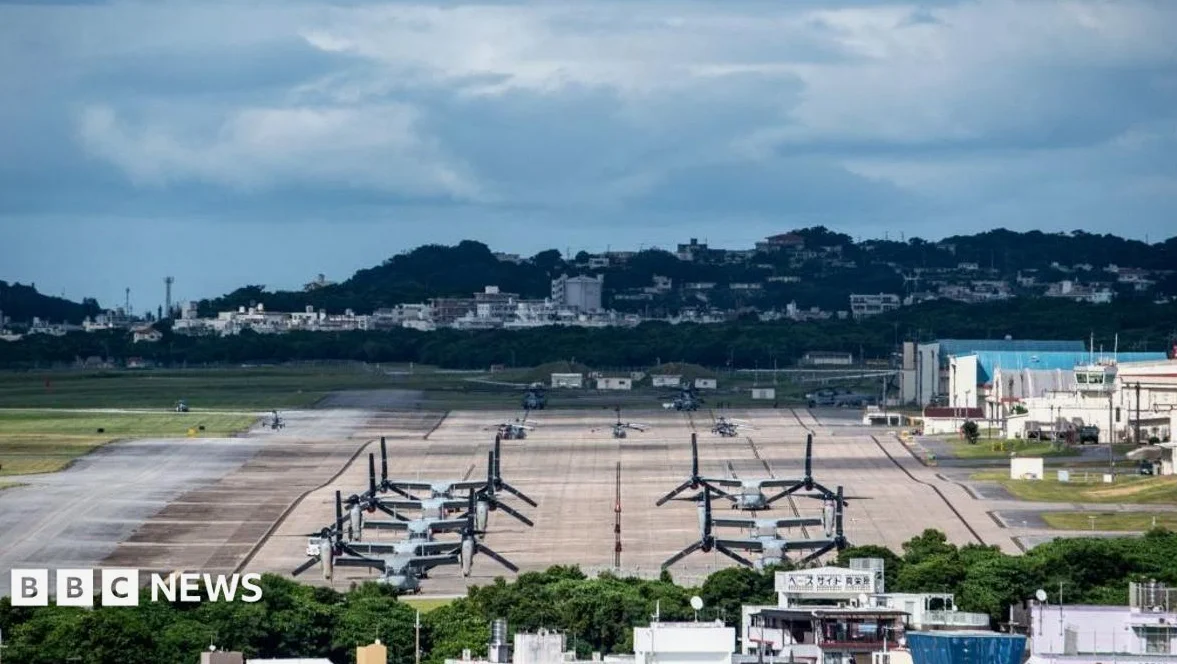
Transfers of military assets from the Indo-Pacific region to the Middle East, including a significant portion of Marines deployed there as part of a rapid-response unit and an anti-missile defense system, have raised concerns that the U.S. could become distracted from its stated priority of refocusing on Asia. This shift has led to growing concerns among Asian allies about U.S. commitment to the region.
“The longer this war continues, and the more forces that are shifted out of Asia, the more it will feed Asian allies’ concerns about U.S. distraction and resource constraints,” said Zack Cooper, a senior fellow at the American Enterprise Institute. “A delay in the state visit could also mean a delay in any arms sales to the self-governing island of Taiwan to deter attacks from Beijing. The issue remains the thorniest in U.S.-China relations.”
Cooper added, “I believe that China is happy to delay the visit and reap the benefits as the United States once again gets bogged down in the Middle East. I think most Chinese experts and officials believe that the United States is undermining itself, so they just need to get out of the way.”
As the situation in the Middle East continues to evolve, the strategic dynamics between the U.S. and China are likely to remain fluid. The delay in Trump’s state visit has created a temporary pause in high-level diplomatic engagement, but the underlying issues in their relationship remain unresolved.



Comments
No comments yet
Be the first to share your thoughts