

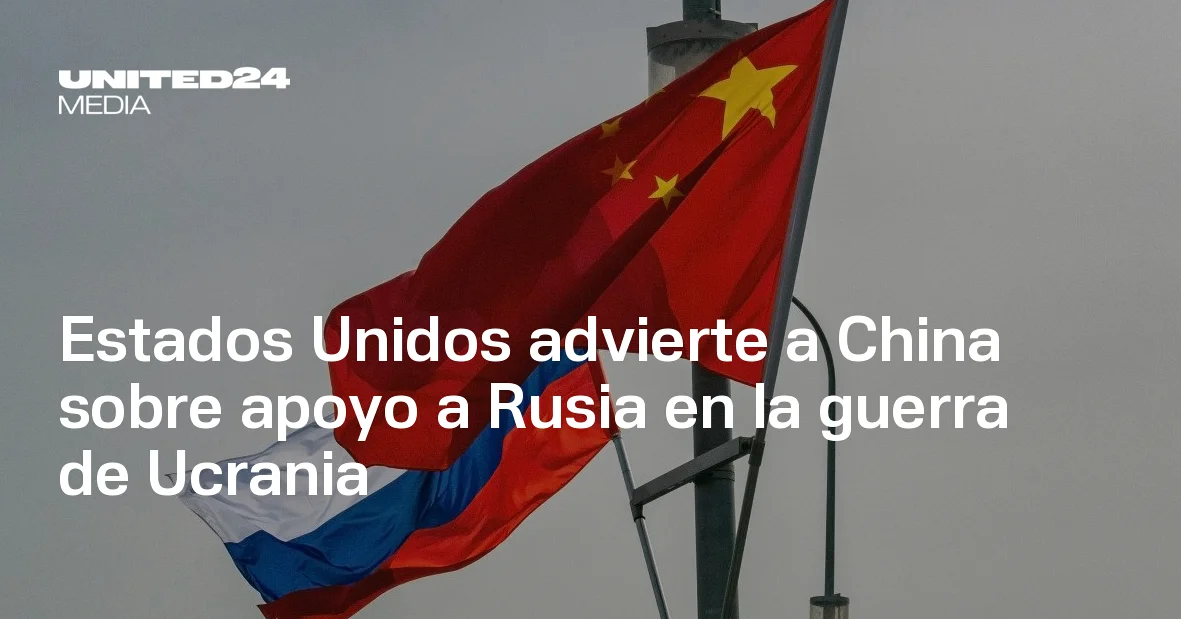
U.S. President Donald Trump made history on May 14 with his visit to Beijing, the first by an incumbent U.S. president in nearly a decade, but During their first meeting at the Great Hall of the People, Xi Jinping addressed the Taiwan issue directly, emphasizing its critical role in U.S.-China relations. Xi stated that if Taiwan is mishandled, the two nations could collide or even come into conflict, pushing bilateral ties into “a highly perilous situation.”
Taiwan: A Central Point of Tension
According to Chinese state media, Xi Jinping described the Taiwan issue as the most important in U.S.-China relations. He added that Taiwan independence and peace in the Taiwan Strait are “fundamentally incompatible,” stating that maintaining stability in the strait represents “the greatest common denominator” between Washington and Beijing. Xi also emphasized that if Taiwan is handled properly, the bilateral relationship could remain stable.
The Taiwan issue has long been a flashpoint in U.S.-China relations. The U.S. maintains unofficial relations with Taiwan and continues to sell weapons to the self-governing island, despite Chinese opposition. The Taiwanese Ministry of Foreign Affairs responded to Xi’s comments by reiterating U.S. support for the island, calling China “the only risk to regional peace and stability,” according to a report by FT.
Global Implications and Market Reactions
The summit took place amid broader geopolitical tensions, including conflicts in Ukraine and the Middle East, as well as the global competition for artificial intelligence and semiconductor dominance. According to reports, the meeting held symbolic weight as the leaders of the world’s two largest economies sought to stabilize their relationship amid these challenges.
Market reactions were swift. The warning from Xi reportedly caused turbulence in Asian stock markets and the broader cryptocurrency market. Bitcoin, for instance, fell to $79,000 at one point, according to CoinDesk. The economic and security implications of the summit show its global significance.
Broader Geopolitical Concerns
While the Taiwan issue dominated the discussion, the summit also touched on other strategic concerns. U.S. Ambassador to the UN, Thomas-Anderlin Whitaker, separately warned China about its indirect support for Russia in the Ukraine war, stating that some Chinese government statements suggest an attempt to draw the U.S. and its allies deeper into the conflict. “We see in certain statements from the Chinese government that they are trying to keep the U.S. and our allies busy with this war, preventing us from addressing other strategic challenges,” he said.
China’s Foreign Minister Wang Yi, in a separate meeting with the EU’s top diplomat, Kaja Kallas, stated that Beijing could not accept a Russian defeat in Ukraine, warning that such a scenario would shift the full weight of U.S. strategic pressure onto China. Wang denied any military or financial support to Moscow but highlighted China’s geopolitical interest in the war’s outcome.
Trump described the summit as potentially “the biggest summit ever,” while Xi urged both nations to avoid the so-called “Thucydides Trap” of great-power confrontation. The two leaders had framed the meeting as a critical step to stabilize relations amid rising geopolitical tensions and the ongoing conflict in the Middle East.


Comments
No comments yet
Be the first to share your thoughts