

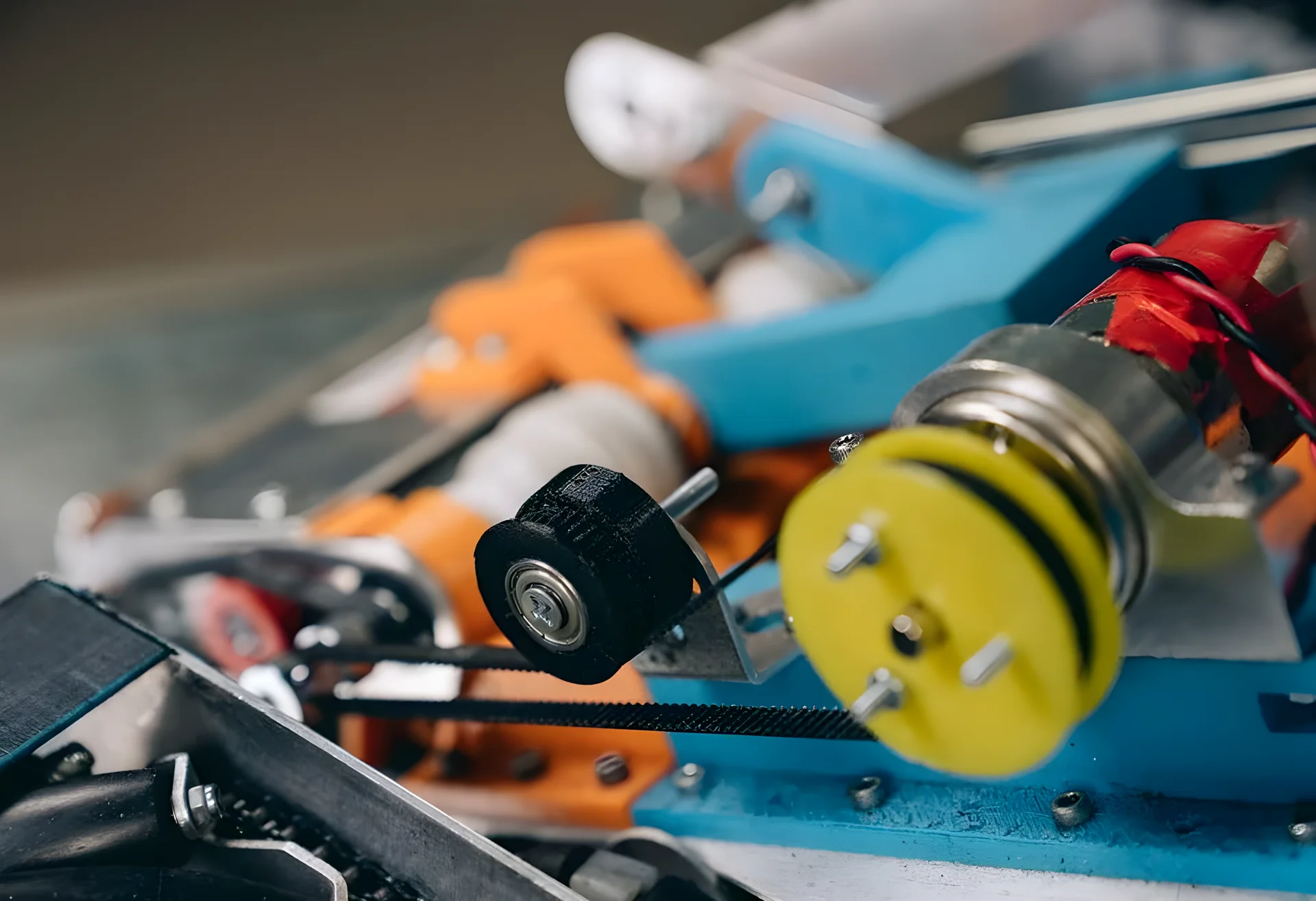
A humanoid robot developed by Chinese smartphone maker Honor ran 100 meters in 9.32 seconds at the World Humanoid Robot Games, breaking Usain Bolt’s human world record of 9.58 seconds, according to China’s state broadcaster. The robot, named Lightning, achieved a peak speed of 14.5 meters per second during a preparatory test event for the second World Humanoid Robot Games, which opened in Beijing on Saturday.
Lightning’s Record-Breaking Performance
Lightning’s 9.32-second sprint surpassed the 9.58-second men’s 100-meter world record set by Usain Bolt at the 2009 World Athletics Championships in Berlin, the robot reached this feat during a preparatory test event for the second World Humanoid Robot Games. In addition to the 100-meter sprint, Lightning also completed the 21-km (13-mile) Beijing half marathon in 50 minutes and 26 seconds, faster than the elite men’s human world-record pace.
During the half marathon, Lightning stood 169 cm (5.5 ft) tall with 95 cm (3.1 ft) legs. Researchers later lengthened its legs by 10 cm to 1.05 meters (3.4 ft) in preparation for the World Humanoid Robot Games, according to China Central Television.
China’s Strategic Push for Humanoid Robotics
China has been actively promoting humanoid robots as a strategic emerging industry; Policymakers and companies are investing in artificial intelligence and hardware advancements to accelerate the deployment of robots in manufacturing, logistics, and consumer applications. This effort is part of a broader national strategy to position China as a global leader in robotics technology.
The Beijing Innovation Centre of Humanoid Robotics also developed a competing robot that ran the 100 meters in 9.39 seconds during the World Humanoid Robot Games. The event includes a variety of competitions such as boxing, football, and household tasks like folding laundry, according to BBC China correspondent Laura Bicker.
Future Implications and Public Reaction
The record-breaking performance highlights the rapid progress in humanoid robotics and raises questions about the future applications of such technology, While the focus is currently on athletic performance, the potential for robots to assist in daily tasks and industrial settings is gaining attention. Lightning’s success in both sprinting and long-distance events demonstrates the versatility of modern humanoid robots.
Researchers continue to refine Lightning’s design to improve speed and efficiency, as the robot’s ability to adapt to different physical challenges,such as sprinting and marathon running—suggests that future iterations may be capable of even more complex tasks. The public reaction has been largely positive, with many viewing the development as a milestone in robotics and AI advancement.






Comments
No comments yet
Be the first to share your thoughts