

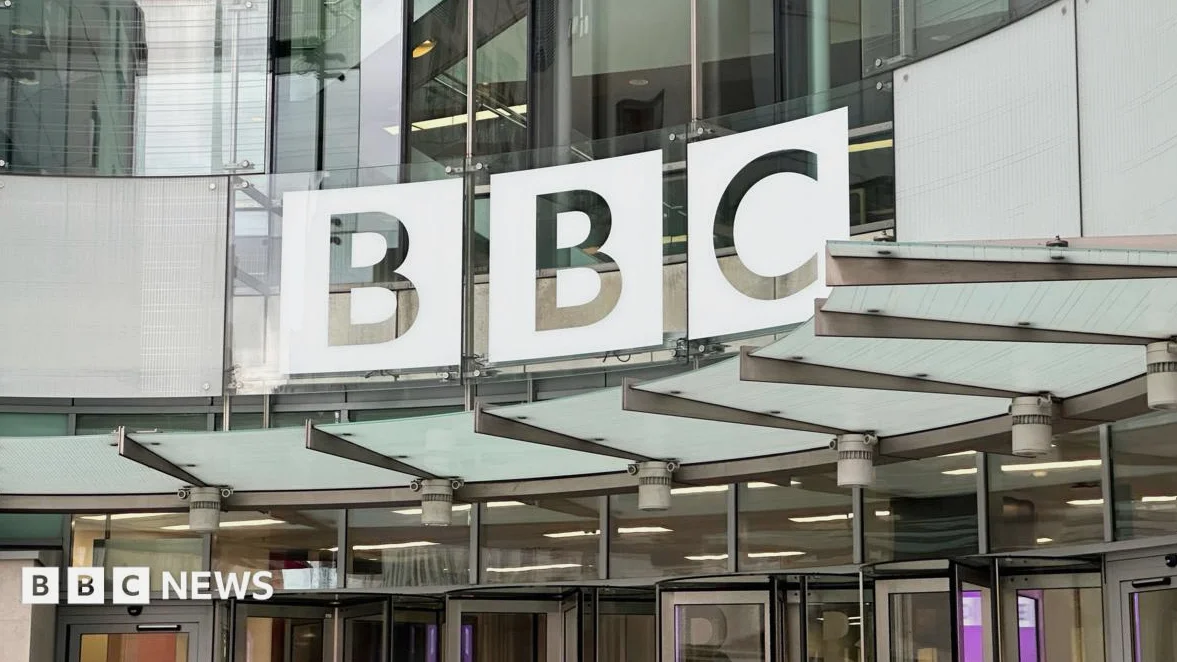
A U.S. judge has ordered former President Donald Trump to answer questions under oath in his defamation lawsuit against the BBC by 11 December, according to court records. Trump is suing the BBC over a 2021 Panorama documentary that edited together parts of a speech he gave before the U.S. Capitol riot. The lawsuit, filed in Florida, accuses the BBC of ‘intentionally, maliciously, and deceptively doctoring’ the speech, which was aired on 6 January 2021.
Deposition Ordered, Previous Cancellation Cited
Trump’s legal team canceled a scheduled deposition on 16 October, claiming that the former president was ‘involved in a host of things’ related to ‘matters of national importance.’ At the time, Trump was attending a campaign rally in Georgia and a fundraiser at his Mar-a-Lago property in Florida. The BBC’s legal team argued that the cancellation was an effort to avoid the deposition process.
Charles Tobin, a lawyer representing the BBC, stated in court that ‘we still haven’t been able to depose the plaintiff’ with two months remaining in the discovery period. A deposition in U.S. law is an out-of-court statement made under oath in response to questions, which is recorded for use in later proceedings.
Discovery Process and Legal Obligations
Magistrate Judge Enjoliqué Lett, overseeing the case, said that Trump must sit for the deposition by 11 December unless the discovery period is extended. She also rejected a request from Trump’s legal team to prevent the deposition from being videotaped, though the recording will only be accessible to attorneys in the case.
Lett criticized Trump’s team for not producing sufficient internal documents related to the case. ‘They have produced absolutely nothing of any substance,’ Tobin said during a hearing in Miami. The documents provided by Trump’s team have largely been sourced from the internet or the BBC itself.
‘It strains credulity that a thorough search has been done in order to determine that all of these requests have been responded to,’ Lett said, addressing Alejandro Brito, Trump’s Florida-based attorney. The judge gave the plaintiffs 30 days to produce the relevant documents. She warned that failure to comply could result in sanctions, including possible dismissal of the lawsuit for failure to prosecute the case and engage in a meaningful discovery process.
Legal Arguments and BBC’s Defense
Trump’s lawsuit argues that the BBC’s broadcast caused personal damage under Florida’s Unfair and Deceptive Trade Practices Act, even though the documentary was not readily available to view in Florida. The BBC has apologized for the error, stating that the broadcast gave ‘the mistaken impression that President Trump made a direct call for violent action.’
The BBC has asked the court to dismiss the lawsuit, arguing that the program does not meet the legal criteria for defamation and was not available in the U.S. In July, Trump’s lawyers conceded that they had no evidence the documentary was available in the U.S. on the BBC’s BritBox subscription service, the BBC’s website, or through U.S. broadcasters. Trump later dropped the lawsuit against BBC Studios, the broadcaster’s commercial arm, after the BBC argued it had ‘no role in creating or producing the documentary.’
Trump’s legal team has proposed that the former president appear for the deposition between 11 and 22 January next year. They have also argued that the BBC is ‘wrong to claim that President Trump is avoiding his deposition in this action.’

Comments
No comments yet
Be the first to share your thoughts