

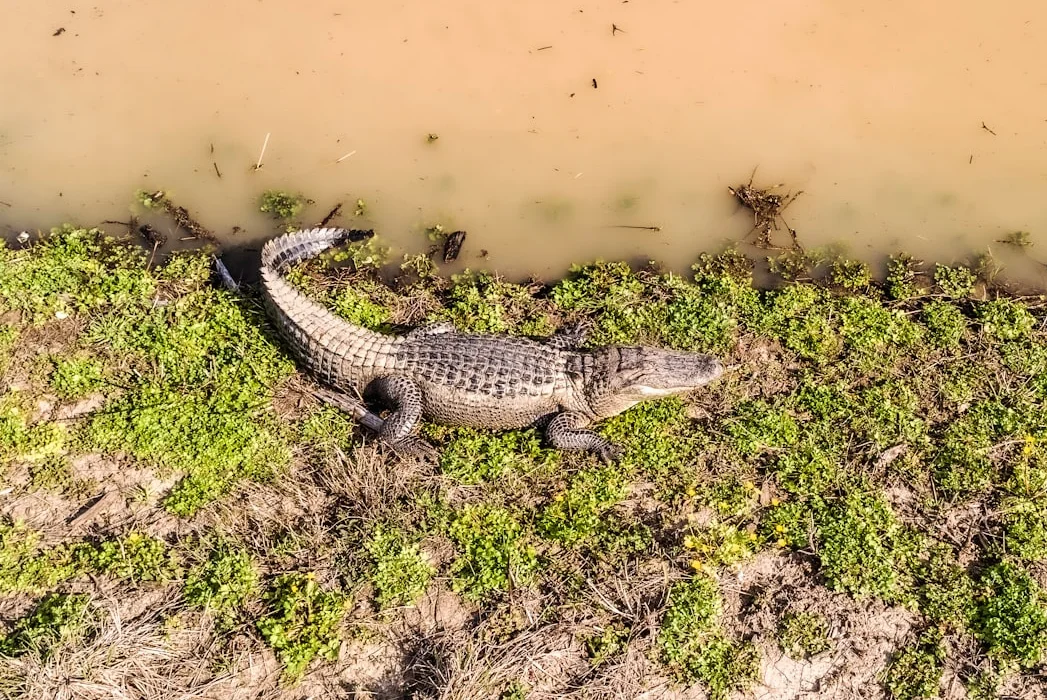
Clavicular, a popular social media influencer known for his content on outdoor adventures and wildlife encounters, has been arrested in Florida after posting a video of himself shooting an alligator. The incident. Which was captured on camera and shared widely online, has sparked legal action and public debate about the ethics of such actions.
Background of the Incident
The video in question was posted on multiple platforms, showing Clavicular firing a shot at an alligator in a Florida swamp. According to The Guardian. The influencer was arrested on battery charges, while El Telégrafo reported that he could face up to five years in prison. The incident has raised questions about the legality and morality of shooting wildlife for social media content.
El Telégrafo noted that the influencer is now facing charges that include reckless endangerment and animal cruelty. The video. Which gained significant traction online, has been viewed millions of times, with many viewers expressing outrage over the act. According to the report. The incident took place in the Florida Everglades, a protected area known for its diverse wildlife.
The Guardian reported that Florida wildlife officials are also investigating the incident, as the shooting may have violated state laws regarding the protection of alligators. According to the Florida Fish and Wildlife Conservation Commission, it is illegal to harm or kill alligators without proper permits, and penalties can include fines and imprisonment.
Public Reaction and Legal Consequences
Public reaction to the incident has been mixed, with some viewers condemning the act as reckless and others questioning the legal consequences. According to El Telégrafo. A local community group has called for stricter laws to protect wildlife and penalize individuals who use animals for social media content.
“This is not just about one person’s actions, but about the broader issue of how social media influences behavior and creates a culture of irresponsibility,” said a spokesperson for the Florida Wildlife Protection Society, as reported by The Guardian.
In an interview with El Telégrafo. A local attorney specializing in environmental law stated, “If the charges are confirmed, this could set a precedent for future cases involving wildlife and social media influencers. It’s important for the public to understand that such actions have real legal and ecological consequences.”
Clavicular’s arrest has also drawn attention from the broader public, with many social media users criticizing the influencer for promoting dangerous and unethical behavior. According to The Guardian. Some of his followers have called for him to be held accountable, while others have defended his actions as a form of self-defense.
Legal Precedents and Wildlife Protection Laws
Florida has strict laws in place to protect its wildlife, particularly alligators, which are a protected species. According to The Guardian. The state has seen a rise in incidents involving the illegal killing of wildlife, often linked to social media influencers and thrill-seekers.
El Telégrafo reported that in 2025, Florida passed new legislation aimed at cracking down on the illegal hunting and killing of protected animals. The law increased penalties for those found guilty of such crimes, including fines and potential prison time.
“The new law was introduced in response to a growing trend of individuals using wildlife for their own gain, often without regard for the consequences,” said a state legislator who sponsored the bill, as reported by The Guardian.
According to the Florida Fish and Wildlife Conservation Commission, there were 12 confirmed cases of illegal alligator hunting in 2025, a 40% increase from the previous year. The commission has stated that these incidents are often linked to individuals who post videos of the acts online.
Impact on Social Media and Wildlife Conservation
The arrest of Clavicular has sparked a broader conversation about the role of social media in wildlife conservation efforts. According to The Guardian, many experts believe that influencers have a responsibility to promote responsible behavior when it comes to interacting with wildlife.
“Social media platforms have a duty to ensure that content does not encourage illegal or harmful behavior,” said a spokesperson for the National Wildlife Federation, as reported by The Guardian.
El Telégrafo noted that several social media platforms have already begun reviewing their content policies to address the issue. Some platforms have introduced new guidelines that discourage the promotion of illegal activities involving wildlife.
According to the report, the incident has also raised awareness about the importance of wildlife conservation. Environmental groups have used the case as an opportunity to educate the public about the need to protect Florida’s natural resources.
Clavicular is expected to face trial in the coming months, with the legal proceedings likely to draw significant public attention. According to The Guardian, his legal team has not yet commented on the charges but has indicated that they will fight the allegations.
El Telégrafo reported that the Florida Fish and Wildlife Conservation Commission is also preparing to file additional charges related to the incident. The commission has stated that it will work closely with local law enforcement to ensure that all legal avenues are explored.
Experts believe that the case could have long-term implications for how social media influencers interact with wildlife. According to The Guardian, the incident may lead to increased scrutiny of online content involving animals and a push for stricter regulations.
“This case is a wake-up call for both influencers and the public about the responsibilities that come with using social media to share content involving wildlife,” said an environmental activist, as reported by The Guardian.
As the legal proceedings unfold, the case of Clavicular will continue to be a focal point in discussions about the intersection of social media, wildlife conservation, and the law.
Comments
No comments yet
Be the first to share your thoughts