

 World Headlines
 A new report has warned that extreme weather events could jeopardize the growth of the $2.3 trillion global sports economy, with potential losses exceeding $500 billion by 2030 if climate change is not addressed. The report, prepared for the World Economic Forum by Oliver Wyman, highlights the growing risks posed by climate change to a sector that is set to expand to $3.7 trillion by 2030 and $8.8 trillion by 2050.
Climate Change and Sports Tourism
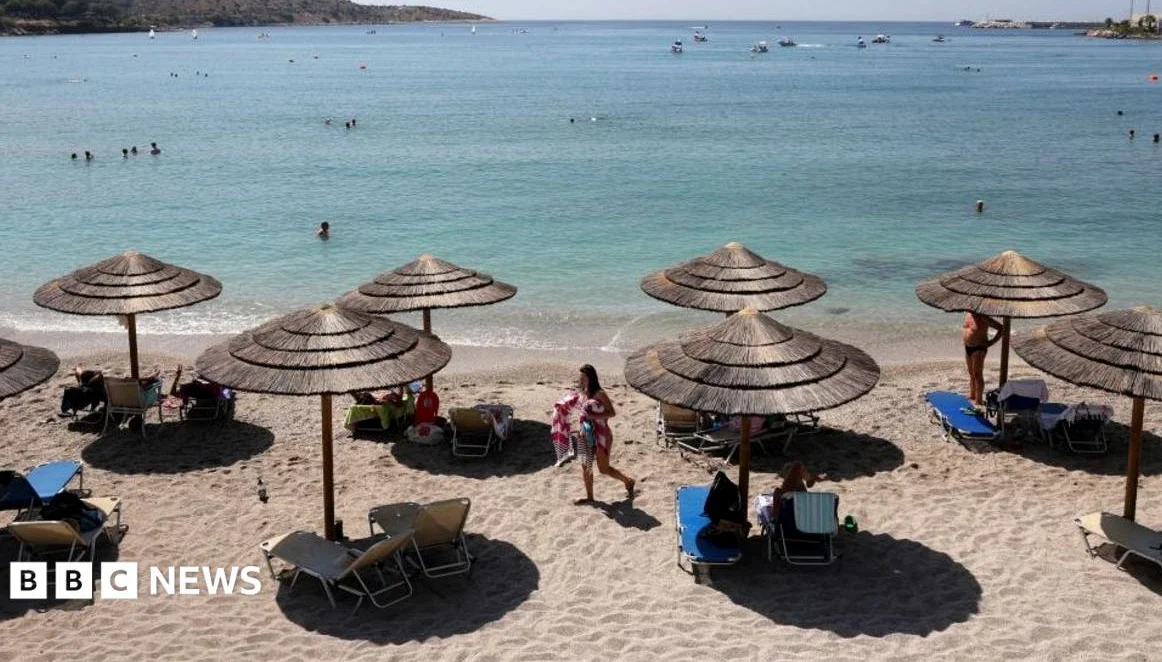
The sports economy is driven largely by tourism, with sports tourism alone valued at $672 billion, according to the report. This segment is expected to account for 60% of the total revenue growth in the sports economy until 2030. However, climate-related disruptions such as heatwaves, floods, and lack of snowfall threaten to undermine this growth.
“Sports has more power than any other sector to drive behaviour because it sees itself as a community asset. And if you’re a community asset, you need to act as one,” said Tony Simpson, partner and global sports industry lead at Oliver Wyman.
The report warns that growing youth inactivity and extreme weather events disrupting competitions, natural landscapes, and supply chains could cost the sports industry over $500 billion in lost revenue by 2030. Simpson noted that fewer young men aged 15 to 25 are playing football at weekends, a trend that could undermine the future fan base.
Impact on Revenue Streams
Outdoor activities account for more than 90% of media rights revenues in professional sports and 76% of sponsorship revenues, which are the sector’s two main revenue streams. Disruptions caused by extreme weather events can lead to competitions being cancelled, hurting media coverage and advertising slots.
Last year, France experienced heat waves ahead of the Tour de France, forcing cyclists to find ways to cope with sweltering temperatures. “Broadcasters are increasingly writing into contracts the risk that events may not take place because of extreme weather – which means lower advertising revenues,” Simpson said.
In the UK alone, adverse weather conditions translate into around £320 million ($433 million) in lost income and maintenance costs annually for community sports. However, growing awareness among sponsors and investors as sport evolves can help channel its positive effects through “impact investing.”
“Sponsors increasingly want their money to drive outcomes, not just put a logo on a shirt,” Simpson said, pointing to Standard Chartered’s sponsorship of Liverpool FC, which has led the club to set up community programmes for women and girls or support recycling initiatives.
Future Outlook and Industry Response
While women’s rising involvement and more children joining organized activities lift the overall numbers, the ‘core’ segment – young men playing sport – has shrunk, according to the report. This trend could have long-term implications for the sports economy.
The report, which required more than 5,000 hours of work, gathered and cross-checked data from organizations including major leagues, investors, sponsors, and the World Federation of the Sporting Goods Industry. Simpson emphasized the importance of using the sector’s growth to maximize social benefits such as reducing public healthcare spending and advancing gender equality.
“By showing how large the sports economy is – and doing so through a rigorous process – this report highlights what’s at stake if we don’t put the right behaviours in place,” he added.
The sports economy, which includes elite sports, sports tourism, and the sporting goods sector, is forecast to grow significantly in the coming years. However, the report warns that without addressing climate change and nature loss, the industry risks exacerbating these issues through its own footprint.
The findings underscore the need for the sports industry to adopt sustainable practices to ensure its continued growth and to avoid significant financial losses due to climate-related disruptions.




Comments
No comments yet
Be the first to share your thoughts