

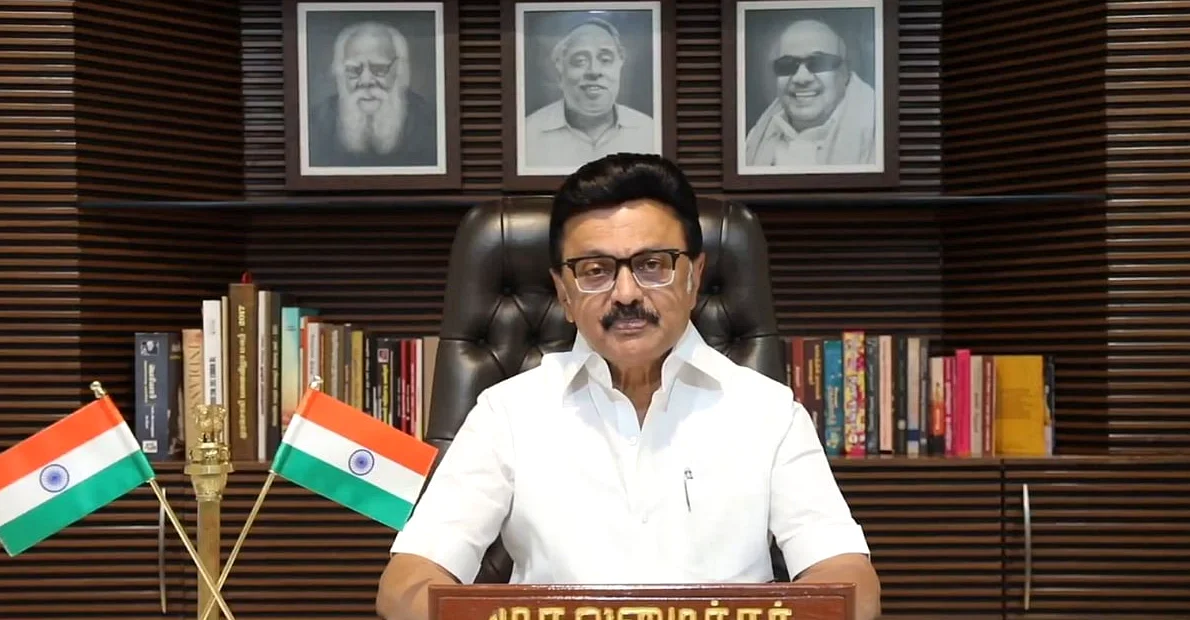
Tamil Nadu Chief Minister M.K. Stalin has initiated a thorough review of the potential impacts of the escalating tensions in West Asia on the state, with a particular emphasis on the safety of the Tamil diaspora in Gulf countries and the stability of energy supplies. The meeting, attended by senior officials, was aimed at assessing the consequences of the ongoing US-Iran conflict and determining the necessary measures to safeguard the interests of Tamil Nadu.
Focus on Tamil Diaspora and Fishermen
In a statement shared on his official X account, Stalin outlined the key concerns raised during the meeting. He emphasized the need for the Union Government to ensure the safety of Tamil residents in affected Gulf nations and to provide support to Tamil Nadu fishermen currently stranded in the region due to the conflict.
“I have written to the Prime Minister (Narendra Modi), urging the Union Government to ensure the safety of Tamils living across the affected Gulf countries and to safeguard the welfare of Tamil Nadu fishermen who are currently stranded in the region,” Stalin said.
Energy Supply Concerns
The ongoing conflict has raised alarms about the stability of energy supplies, particularly given the reliance of Tamil Nadu on oil imports from the Gulf. With several major oil-producing countries in the region affected by the conflict, there are concerns about potential disruptions in fuel supply chains.
According to reports, Tamil Nadu accounts for a significant portion of India’s oil imports, and any disruption in the flow of crude oil from the Gulf could have immediate repercussions on fuel prices and availability within the state. Analysts warn that a prolonged conflict could lead to a spike in fuel costs, impacting both the economy and everyday consumers.
Previous Incidents and Precedents
This is not the first time Tamil Nadu has been affected by regional conflicts. During previous episodes of geopolitical tensions in the Gulf, such as the Iran-Iraq war in the 1980s and the Arab-Israeli conflicts, the state witnessed disruptions in energy supply and an increase in the number of Tamil nationals seeking repatriation.
Experts note that Tamil Nadu has a large population of migrant workers in the Gulf, with estimates suggesting that over 10 million Tamil citizens reside in the Middle East. The current situation has raised concerns about their safety and the potential for a mass exodus if the conflict escalates further.
“The impact of any conflict in West Asia is not confined to the region; it has far-reaching implications for the Indian economy and the safety of its citizens abroad,” said Dr. R. Anand, a political analyst based in Chennai.
What’s Next for Tamil Nadu
Stalin has requested the central government to take immediate steps to ensure the security of Tamil nationals in the affected countries. He also urged the government to maintain stable fuel prices and ensure uninterrupted supply of essential commodities.
Officials in Tamil Nadu are working closely with the Ministry of External Affairs to monitor the situation and provide necessary support to the diaspora. A task force has been constituted to coordinate with Gulf countries and ensure that Tamil Nadu’s interests are protected.
“The government is committed to the welfare of our citizens, both within the state and abroad,” said a senior official in the Tamil Nadu government. “We are in constant communication with the central government and relevant foreign missions to address the concerns of our people.”
The next few weeks will be critical as the situation in West Asia continues to evolve. The Tamil Nadu government is preparing for various scenarios, including a potential rise in fuel prices and an increase in the number of stranded fishermen. The central government is expected to provide a detailed response to Stalin’s letter in the coming days.

Comments
No comments yet
Be the first to share your thoughts