

 The Guardian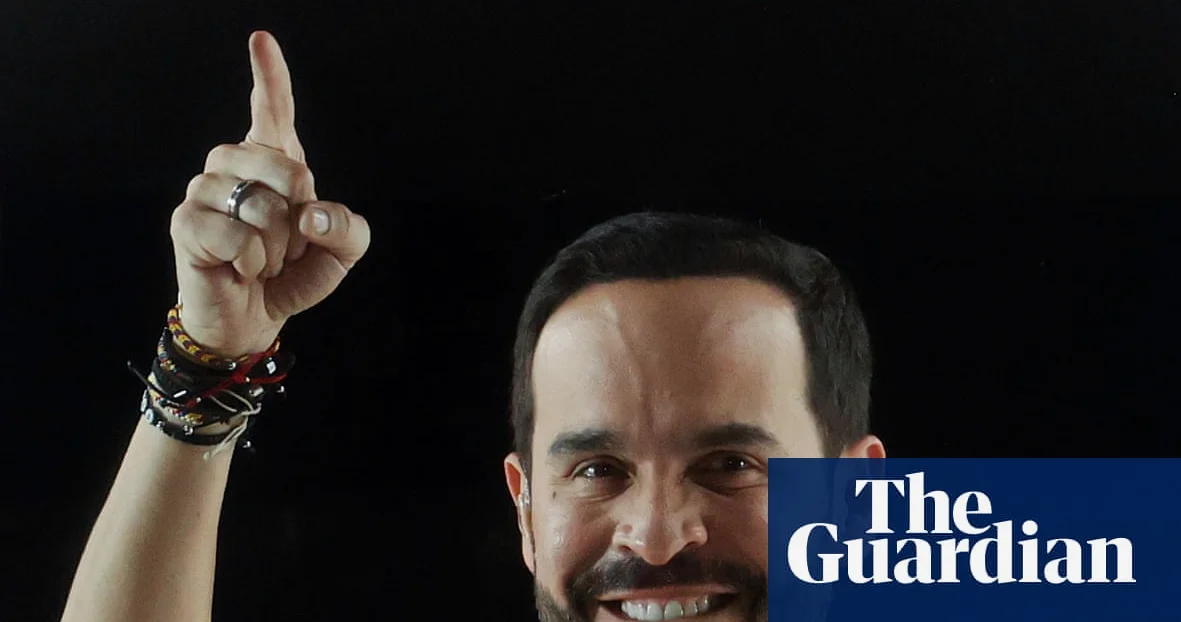
Abelardo de la Espriella, a far-right lawyer and self-proclaimed ‘outsider,’ was elected Colombia’s next president on Sunday, defeating leftwing senator Iván Cepeda by just 250,000 votes in an electorate of 41 million. He will replace Gustavo Petro, the country’s first leftist president, in a sharp political realignment.
Controversial Background and Legal History
De la Espriella, 47, who calls himself ‘El Tigre,’ gained notoriety for defending paramilitary leaders and high-profile clients, including a pastor accused of sexually abusing 20 women. His legal career was catapulted in the early 2000s when he represented paramilitary groups negotiating demobilisation with the government.
In 2012, the pastor’s lawyer, de la Espriella, used the term ‘trepadoras’—a derogatory label for social climbers—to discredit the victims’ claims, leading to an acquittal. The case remains under review by Colombia’s Supreme Court.
Election Raises Fears for Democratic Institutions
Despite pledging to respect the constitution and the rights of ‘all Colombians’ in his victory speech, de la Espriella has expressed extreme political views, including vows to ‘disembowel’ the left, use lethal force against protesters, and eliminate criminals ‘like rats and cockroaches.’ These statements have raised concerns among analysts and activists about the risks his presidency could pose to Colombian democracy.
‘It frightens me,’ said Catalina Ruiz-Navarro, co-founder and editor of the feminist magazine Volcánicas. ‘Despite Colombia’s strong institutions, we’re facing an institutional threat unlike anything we’ve experienced before.’
De la Espriella’s election is part of a broader trend of far-right candidates winning presidential elections across Latin America. An outspoken admirer of U.S. President Donald Trump, who endorsed his campaign, de la Espriella has also drawn inspiration from El Salvador’s leader, Nayib Bukele, and Brazil’s Bolsonaro family.
His campaign included promises to emulate Bukele’s controversial enforcement action on gangs and to shrink the state by 40%, a move some analysts fear could weaken public institutions and create a vacuum for criminal groups to fill.
Concerns Over Regressive Policies and Legal Attacks
De la Espriella has also pledged to withdraw Colombia from the inter-American human rights system, a framework seen as vital for protecting civil liberties. He has also advocated for an anti-abortion and anti-LGBTQ+ agenda.
‘He has embraced an almost tailor-made formula for rightwing populism in Latin America,’ said Ana Bejarano Ricaurte, co-director of El Veinte, a legal advocacy organisation that defends freedom of expression.
His campaign has been marked by legal intimidation, with de la Espriella filing over 100 lawsuits against journalists and using social media influencers and football stars to strengthen his support. His victory rally featured videos and a transparent armoured vehicle nicknamed the ‘tigermobile,’ drawing comparisons with the popemobile.
De la Espriella has also promised to issue 90 executive decrees on his first day in office,a governing style reminiscent of Ecuador’s far-right president, Daniel Noboa, who has been widely criticized for using presidential decrees to bypass legislative oversight.
‘Those 90 decrees may be illegal and can eventually be challenged in court, but by the time the courts resolve the issue, the rights in question may already have been lost,’ said Ruiz-Navarro.
With minimal legislative support, de la Espriella’s governing strategy raises questions about the rule of law and the future of Colombia’s democratic institutions. His controversial policies, combined with a history of legal intimidation and populist rhetoric, have left many observers deeply concerned about the direction the country may take under his leadership.






Comments
No comments yet
Be the first to share your thoughts