

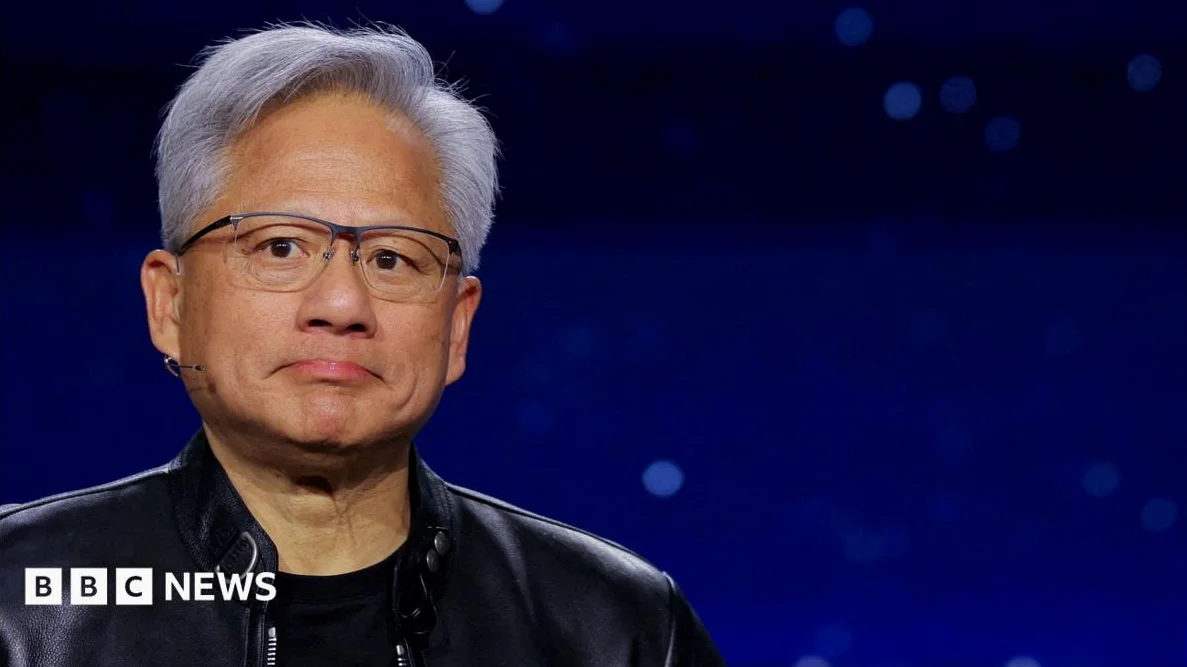
Jensen Huang, the now-former CEO of Nvidia, resigned on Thursday after reports emerged of an affair with Alice Huang, a Singapore-based executive at Megaspeed International, a company the U.S. believes is being run by a Chinese spy. Megaspeed has purchased more than $4.8 billion in advanced Nvidia AI chips since June 2024, and is suspected of circumventing U.S. export bans to send the chips to China. The New York Times reported that President Trump was briefed a year ago on intelligence suggesting Alice Huang was a Chinese asset.
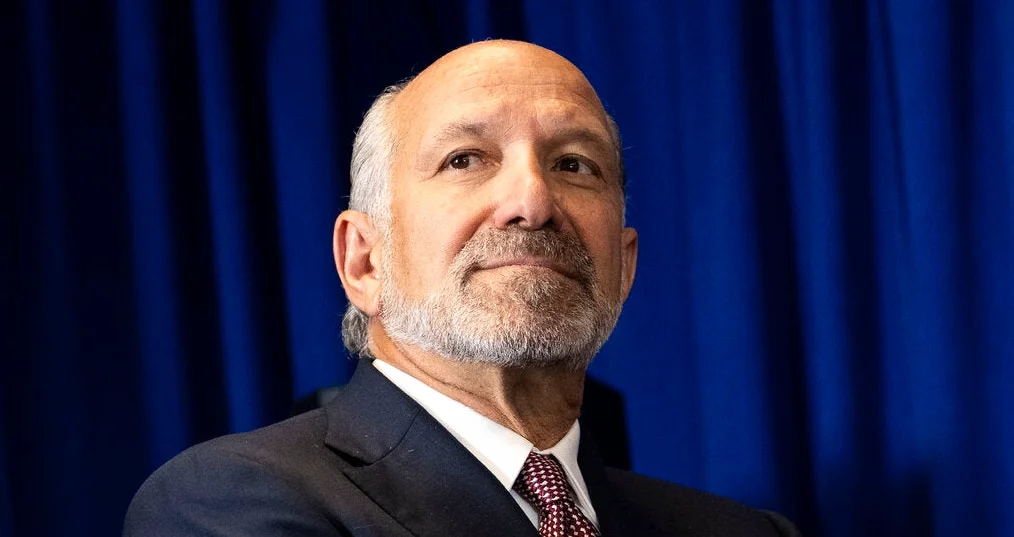
Before being appointed as Commerce Secretary by President Trump, Lutnick was the CEO of Cantor Fitzgerald, which held $1.2 billion in Nvidia stock at the time. He developed a close relationship with Jensen Huang. Lutnick also has financial ties to Chinese state-owned companies through his former firm, BGC Group, which had a 33% stake in a joint venture with China Credit Trust, a Chinese state-owned company.
The Commerce Department has not added any companies to its Entity List since October 2025, the longest gap in over a decade. The Bureau of Industry and Security had launched an investigation into Megaspeed’s chip purchases in 2024, but the probe was abruptly transferred to the Department of Justice, which has not commented. Chris McGuire of the Council on Foreign Relations said, “The real scandal here is the lack of enforcement of export controls,” adding that the department had known for a year that Megaspeed was run by a suspected Chinese spy and “did nothing.”
Senator Elizabeth Warren, the ranking Democrat on the Senate Banking Committee, called on Lutnick and his deputy, Jeffrey Kessler, to “explain why they have not closed export control loopholes” and to act to prevent U.S. technology from fueling China’s military. In March, Warren had written to Lutnick to demand the “immediate pausing” of all export licenses of Nvidia chips to China. Incoming Senate Foreign Relations Committee Chair Chris Coons and Warren also wrote to Lutnick and other officials, urging the administration to preserve all documents related to Nvidia’s exports and national security risks.
In June, Reuters reported that the Trump administration had refrained from adding Chinese AI startup DeepSeek, memory manufacturer CXMT, and over 100 other firms to the Entity List, despite them being flagged as national security risks. The Commerce Department reportedly avoided listing them out of concern over escalating tensions with China.
As head of the Commerce Department, Lutnick oversees the enforcement of export controls on sensitive technology. Current and former officials say that Nvidia is treated differently than other firms, with its issues given high priority and sent through specific channels.
Lawmakers from both parties, including Republicans like Brian Mast and John Kennedy, have called for an investigation into the Commerce Department’s procedures for approving chip exports. Kennedy said Lutnick needs to address questions about the authorization of advanced U.S. semiconductor exports to China.





Comments
No comments yet
Be the first to share your thoughts