

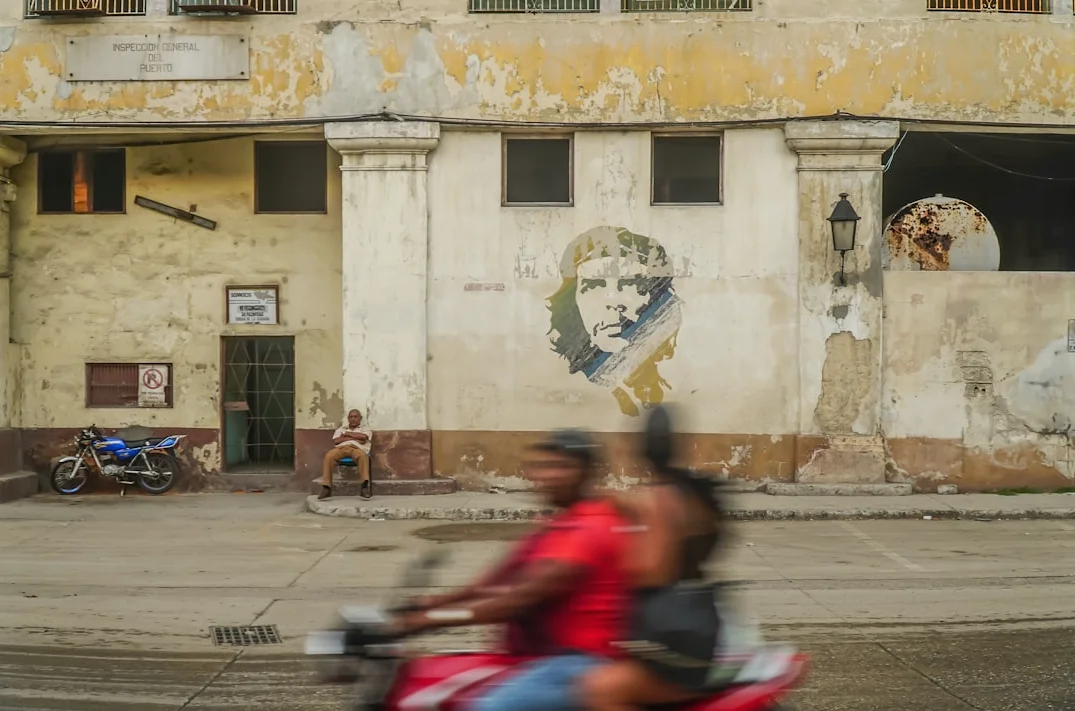
Cuba’s deputy foreign minister said the country is not alone in facing U.S. threats, as tensions escalate over economic and political pressures, according to reports from multiple sources. The remarks come amid growing concerns over U.S. policies toward Cuba and other Latin American nations, with some analysts noting a pattern of increased hostility from the Biden administration.
Regional Alliances and International Reactions
Cuba has long maintained close ties with several countries in Latin America and the Caribbean, and its deputy foreign minister emphasized that these partnerships provide a counterbalance to U.S. influence. According to Al Jazeera. The deputy minister highlighted that Venezuela, Nicaragua, and Bolivia have consistently supported Cuba’s stance on issues such as trade, sovereignty, and non-intervention.
Meanwhile, the U.S. has intensified its diplomatic and economic pressure on Cuba, including sanctions and restrictions on travel and trade. A report from a U.S. think tank cited statistics showing that Cuban imports from the U.S. have dropped by 45% since 2020, while U.S. exports to Cuba have remained nearly unchanged.
In a separate development. A U.S. senator recently proposed new legislation that would further limit U.S.-Cuba trade and impose additional sanctions on Cuban officials. According to PolitiFact, the senator argued that the bill would protect American interests and prevent the spread of what he called “authoritarian practices” in the region.
Economic and Social Impact on Cuba
The economic strain on Cuba has been significant, with the country’s GDP growth slowing to just 1.2% in 2023, according to the Cuban Ministry of Finance. This has led to rising inflation, food shortages, and a decline in public services, according to a report by the International Monetary Fund.
Cuba’s deputy foreign minister said the situation is not unique to his country, pointing to similar challenges faced by countries like Venezuela and Nicaragua. “Cuba is not alone,” he stated, according to Al Jazeera. “The U.S. has been using economic pressure as a tool to weaken our sovereignty and independence.”
Local communities in Cuba have also felt the impact, with many families struggling to afford basic necessities. A recent survey by a Cuban research institute found that 62% of respondents reported a decrease in their standard of living over the past two years.
Regional Solidarity and Diplomatic Efforts
Cuba has sought to strengthen regional alliances to counter U.S. influence, with recent diplomatic meetings in Havana involving representatives from several Latin American countries. According to a Cuban state media report, these meetings focused on economic cooperation, mutual support, and the need for a unified regional response to U.S. policies.
Venezuela’s foreign minister recently reiterated his country’s support for Cuba, stating that the two nations are “inseparable in the face of external threats.” According to a report from a Venezuelan news outlet, the two countries have agreed to increase trade and energy cooperation in the coming years.
Meanwhile, in the U.S., some lawmakers are calling for a more conciliatory approach toward Cuba. A bipartisan group of senators proposed a resolution urging the administration to consider lifting certain sanctions in exchange for greater cooperation on regional issues. According to PolitiFact, the resolution has not yet gained significant traction in Congress.
Public Sentiment and Political Discourse
In Cuba, public sentiment toward the U.S. has grown increasingly negative, with many citizens expressing frustration over the economic impact of U.S. sanctions. According to a recent poll by a Cuban think tank, 78% of respondents believe that U.S. policies have harmed Cuba’s economy.
Cuban officials have also been vocal about the need for a more balanced relationship with the U.S., with the deputy foreign minister stating that “dialogue and mutual respect are essential to resolving differences.” According to Al Jazeera, the deputy minister called for a reevaluation of U.S. policies toward Cuba and the broader region.
On the other side of the Atlantic, European leaders have expressed concern over the growing tensions between the U.S. and Cuba. According to a European Union statement, the bloc has called for “diplomatic engagement and dialogue” as a means of resolving disputes.
What’s Next for U.S.-Cuba Relations
Analysts suggest that the future of U.S.-Cuba relations will depend on a number of factors, including the outcome of upcoming elections in the U.S. and the potential for new policies under a different administration. According to a report from a U.S. think tank, the next administration may choose to either continue the current approach or explore new avenues for engagement.
Cuba’s deputy foreign minister said the country is prepared to engage with the U.S. on a range of issues, including trade, security, and regional cooperation. “We are ready to talk,” he said, according to Al Jazeera. “But we will not accept policies that undermine our sovereignty.”
Meanwhile, the U.S. has not yet indicated any immediate plans to alter its current stance toward Cuba. According to a U.S. State Department spokesperson, the administration remains focused on promoting democracy and human rights in the region.
Regional and Global Implications
The situation in Cuba has broader implications for the region and the global community. Analysts suggest that the U.S. approach to Cuba could influence relations with other Latin American countries, many of which have expressed concerns over the growing U.S. presence in the region.
According to a report from a Latin American think tank, the U.S. has been expanding its military and economic influence in the region, which has raised concerns among countries like Brazil, Argentina, and Mexico. “The U.S. is increasingly seen as a destabilizing force,” the report stated.
Cuba’s deputy foreign minister emphasized that the country’s focus is on strengthening regional cooperation and building a more equitable international system. “We believe that the future of the region depends on solidarity, not confrontation,” he said, according to Al Jazeera.






Comments
No comments yet
Be the first to share your thoughts