

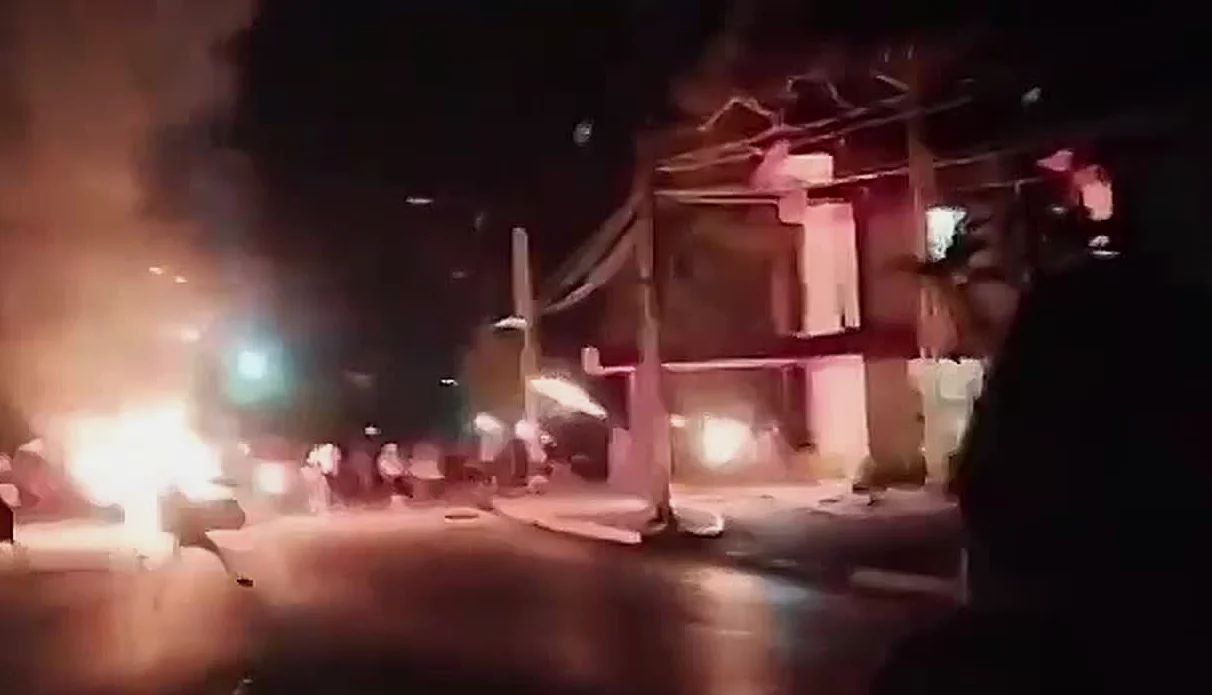
Cuba is facing its most significant domestic unrest in decades as mass protests have erupted across the island. In the city of Moron, located in the Ciego de Avila province, residents stormed the local Communist Party Committee building, looting furniture and setting bonfires in the streets. The unrest, which has spread to other areas, is fueled by a prolonged energy crisis and a deepening food shortage that has pushed many Cubans to the brink.
Energy Crisis and the Impact on Daily Life
The power outages have persisted for over two weeks in many regions of Cuba, severely disrupting daily life. According to local sources, the lack of electricity has affected hospitals, water supply systems, and food preservation, worsening the already dire situation. The energy crisis has been exacerbated by the recent cutoff of Venezuelan oil supplies by the United States, which had been a primary fuel source for the island nation.
About three months ago, the U.S. government halted the supply of Venezuelan oil to Cuba, a move that has had a cascading effect on the island’s infrastructure. The decision came amid growing tensions between the two nations, with the U.S. citing national security concerns and the need to pressure the Cuban government to improve human rights conditions. This move has left Cuba with limited fuel reserves, forcing the government to ration electricity and prioritize critical services.
Residents in Havana and other cities have expressed frustration over the lack of reliable power, with some calling for the government to seek alternative solutions. The energy crisis has become a focal point for public anger, as many believe it was artificially created by external forces. Some media outlets have suggested that Havana may be considering closer ties with Washington to secure energy support, a move that would mark a significant shift in Cuba’s political landscape.
Food Shortages and the Strain on the Population
The food crisis in Cuba has reached a critical point, with shortages of basic staples like rice, beans, and bread becoming more severe. According to reports, the situation has worsened in recent months due to a combination of factors, including economic sanctions, limited access to international markets, and the collapse of the Cuban peso. The government has struggled to maintain food imports, leading to long lines at markets and empty shelves in many areas.
Local farmers and market vendors have reported that the scarcity of food has led to price hikes, making it increasingly difficult for ordinary citizens to afford basic necessities. The situation has been compounded by the lack of electricity, which has disrupted refrigeration and food storage, further reducing the availability of fresh produce and dairy products.
Residents have taken to the streets not only to protest the power outages but also to demand immediate action on the food crisis. Some have called for the government to open the economy and allow more international trade, while others have expressed anger at the perceived inaction of Cuban authorities. The unrest has led to sporadic clashes between protesters and security forces, raising concerns about the potential for further escalation.
Historical Context and Political Tensions
The current unrest in Cuba is not the first time the island has faced significant public demonstrations. In 2021, the country experienced widespread protests over the economic impact of the pandemic and the government’s handling of the crisis. However, the current situation is arguably more severe, with the combination of energy and food shortages creating a perfect storm of public discontent.
Former U.S. President Donald Trump had previously hinted at the possibility of a military operation in Cuba, suggesting that a coup scenario could be on the table. While no such action has materialized, the rhetoric has contributed to an atmosphere of uncertainty and tension. The Cuban government has consistently denied any intention of seeking U.S. assistance, but the recent protests have raised questions about the country’s political direction.
Analysts have pointed out that the current crisis has exposed deep-seated frustrations with the Cuban government’s economic policies and its reliance on foreign oil. Some experts believe that the government may be forced to reconsider its stance on foreign relations, particularly with the United States, in order to stabilize the situation. However, any move toward closer ties with Washington would likely face significant domestic opposition from hardline elements within the Communist Party.
As the protests continue, the Cuban government faces an urgent challenge to address the growing unrest. The situation has raised concerns about the potential for further escalation, with some fearing that the demonstrations could spread beyond the current hotspots. The government has yet to issue a formal response to the protests, but officials have warned against any actions that could destabilize the country.
With the energy crisis showing no signs of abating and the food shortage reaching critical levels, the Cuban people are at a crossroads. The government’s ability to manage the crisis will determine whether the unrest remains contained or evolves into a broader movement for change. As the situation unfolds, the world watches closely to see what the next steps will be for Cuba and its people.




Comments
No comments yet
Be the first to share your thoughts