

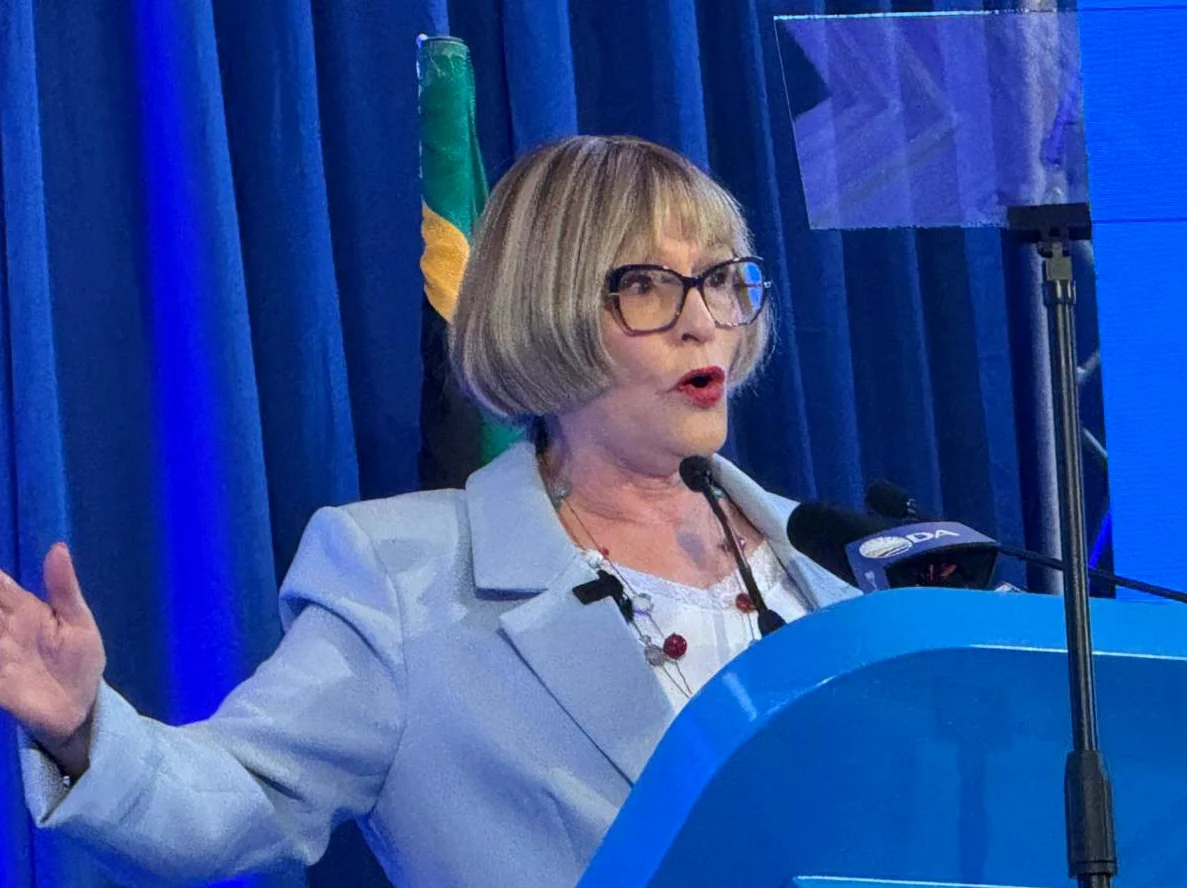
Johannesburg’s roads are in disrepair, with the Democratic Alliance (DA) accusing the current administration of neglecting infrastructure maintenance. During a speech at the Johannesburg City Hall on March 7, 2026, DA mayoral candidate Helen Zille highlighted the city’s deteriorating road conditions as a major issue that needs urgent attention.
Pothole Crisis Sparks Public Frustration
Zille criticized the existing administration for its failure to keep the city’s roads in a condition that allows for safe and efficient travel. She described the situation as dire, stating that the neglect of road maintenance has created a public safety hazard and economic burden for residents and businesses alike.
“We will fix the roads that keep Joburg moving,” Zille said, emphasizing that road repairs would be a top priority if she is elected mayor. “We won’t call a ribbon cutting ceremony every time we fix potholes because they will be fixed every day.”
Zille outlined a plan to ensure that potholes are repaired within 72 hours of being reported. This commitment is part of a broader strategy to improve the city’s infrastructure and restore public confidence in local governance.
Infrastructure Neglect and Traffic Light Malfunction
Alongside the pothole issue, Zille also highlighted the malfunctioning traffic lights as a critical problem affecting daily life in the city. She described handling Johannesburg’s intersections as an “absolute nightmare” and pledged to restore order through the use of tamper-proof technology.
“We will ensure that at least 95% of traffic lights work at any time,” Zille said, emphasizing the importance of reliable traffic control systems to reduce congestion and improve road safety. Her plan includes implementing advanced monitoring and maintenance systems to prevent tampering and ensure consistent operation.
The DA has previously raised concerns about the city’s infrastructure, with similar criticisms voiced in the 2024 municipal elections. The party has consistently pointed to a lack of investment in public works as a key issue affecting the quality of life in Johannesburg.
Public Response and Forward-Looking Implications
Zille’s announcement has been met with mixed reactions from residents. Some have praised the DA’s focus on practical solutions, while others remain skeptical about the feasibility of repairing 72% of potholes within such a short timeframe.
According to a 2025 report by the Johannesburg Roads Authority, the city has over 250,000 potholes across its road network, with an estimated cost of R1.2 billion to fully repair. The report also noted that only 45% of the city’s traffic lights were functioning properly at the time of the study.
“If the DA’s promises are fulfilled, it would mark a significant shift in the city’s approach to infrastructure management,” said Dr. Sipho Mbeki, a transportation analyst. “However, achieving these goals will require substantial investment and coordination between various government departments.”
Zille’s campaign has set a clear deadline for the next municipal elections, which are scheduled for October 2026. If elected, her administration will face the challenge of addressing these infrastructure issues within the next four years.
The DA’s focus on road and traffic management reflects a broader trend in South African politics, where infrastructure development and public service delivery are increasingly seen as key election issues. As the city prepares for the upcoming elections, the debate over how to manage Johannesburg’s infrastructure will likely remain a central topic.
Zille’s commitment to road and traffic improvements has already begun to influence public discourse, with many residents expressing hope that the next administration will prioritize these issues. However, the success of any infrastructure plan will depend on the availability of funding, political will, and effective implementation strategies.






Comments
No comments yet
Be the first to share your thoughts