

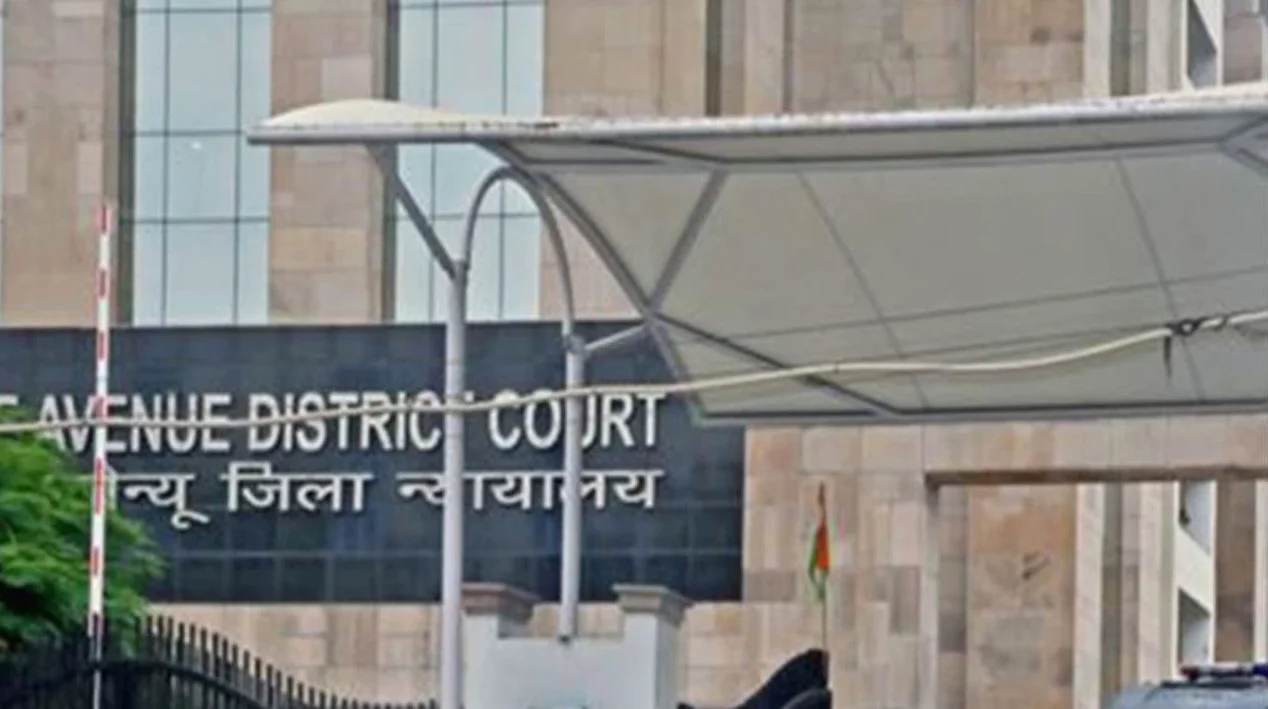
A Delhi court is set to deliver its decision on February 27 regarding whether to frame charges against 23 individuals, including former Chief Minister Arvind Kejriwal and his former deputy Manish Sisodia, in the Delhi Excise Policy corruption case. The Central Bureau of Investigation (CBI) has filed charges against them, alleging that a ‘south lobby’ paid Rs 100 crore to influence the now-scrapped excise policy in their favor.
Timeline of the Case and Legal Proceedings
The case was registered during Kejriwal’s tenure as Chief Minister, with Sisodia serving as his deputy. The CBI filed its first chargesheet in 2022, followed by multiple supplementary chargesheets. The court had reserved its decision on February 12 after hearing detailed arguments from both the CBI and the accused.
Special Judge Jitendra Singh will announce the order in the Rouse Avenue Court, following the arguments from both sides. The CBI, represented by Additional Solicitor General D P Singh and advocate Manu Mishra, has argued that there is sufficient evidence to frame charges against all accused. The defense, led by senior advocate N Hariharan for Kejriwal, has contested the allegations, stating there is no direct evidence linking Kejriwal to the conspiracy.
Key Arguments and Legal Challenges
During the hearing, the CBI emphasized that the offense of criminal conspiracy must be evaluated as a whole and that the sufficiency of evidence should be tested during the trial. The agency has maintained that there is ample material to frame charges against all the accused. The CBI’s argument hinges on the alleged financial transactions and the role of the ‘south lobby’ in influencing the excise policy.
The defense, on the other hand, has argued that Kejriwal was not named in the initial or first three supplementary chargesheets and that his inclusion in the fourth supplementary chargesheet merely repackages earlier allegations. Hariharan also challenged the evidentiary value of statements, including that of approver Raghav Magunta, and questioned the basis of further investigation into the case.
The court’s decision on February 27 will determine whether the case proceeds to trial. If charges are framed, the accused will be formally named, and the trial process will begin. This decision could have significant implications for the legal proceedings and the political landscape in Delhi.
Impact on Delhi’s Political and Legal Landscape
The outcome of this case could have far-reaching consequences for Delhi’s political scene. Arvind Kejriwal remains a prominent figure in the state, and the framing of charges against him would mark a major legal milestone. The case has already drawn considerable public and media attention, with many watching to see how the court rules.
For ordinary citizens, the case highlights the ongoing scrutiny of political figures and the role of investigative agencies in holding them accountable. If charges are framed, it could lead to a lengthy legal battle, potentially impacting the functioning of the state government and the administration of justice in Delhi.
The case also highlights the importance of transparency in policy-making and the need for accountability in public office. The alleged Rs 100 crore in bribes is a significant figure, and the court’s ruling will determine whether this case moves forward as a formal legal proceeding.
The court’s decision will be closely watched by legal experts, political analysts, and the public. It may also set a precedent for future cases involving high-profile individuals and the handling of corruption allegations in state-level governance.





Comments
No comments yet
Be the first to share your thoughts