

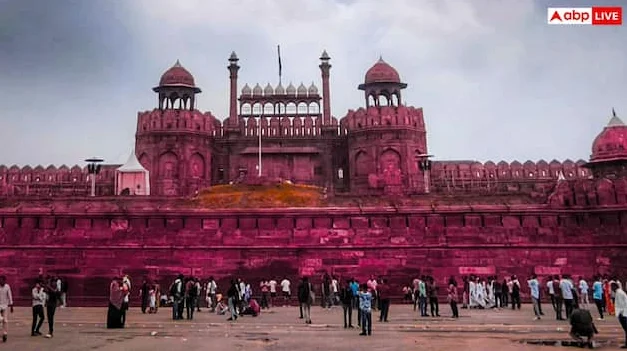
Security forces blanketed religious sites across Delhi on February 21 with extra patrols, CCTV sweeps and bomb squads after fresh tips warned of an Lashkar-e-Taiba attack. The banned Pakistan-based group zeroed in on the Gauri Shankar temple in the busy Chandni Chowk market, steps from the historic Red Fort, two senior officers told reporters on condition of anonymity.
Intelligence pointed to an improvised explosive device as the likely weapon. The plot stemmed from the group’s desire to avenge the Islamabad mosque blast, where a suicide bomber ripped through worshippers during Friday prayers. Pakistan officials quickly blamed outside forces. India dismissed the claim outright. “It is unfortunate that, instead of seriously addressing the problems plaguing its social fabric, Pakistan should choose to delude itself by blaming others for its home-grown ills,” a government statement said earlier this month. “India rejects any and every such allegation, which is as baseless as it is pointless.”
Alert levels spiked before Republic Day earlier this year, but agencies dismissed those inputs at the time. Saturday’s warnings carried more weight. Delhi Police coordinated with central intelligence units to lock down vulnerable spots. Vehicle checks multiplied at key chokepoints. Quick reaction teams fanned out. Dog squads sniffed markets and alleys. Bomb disposal experts stood ready near major temples and heritage zones.
During recent Mahashivratri festivities at Gauri Shankar temple, a deputy commissioner of police arrived with a squad of commandos. Officers described the steps as routine precautions. “Stay vigilant,” one official urged residents. “Report anything suspicious right away.”
The city has faced repeated scares. A car bomb detonated near Gate 1 of the Red Fort metro station on November 10, 2025, killing more than 10 people and unraveling a wider terror cell, authorities said. January brought fresh headaches from Khalistani operatives and Bangladesh-linked groups. Punjab gangsters doubled as foot soldiers for handlers abroad, intelligence reports warned on January 17. Those networks stretched into Delhi-NCR, Uttar Pradesh and Rajasthan, officials added.
Timing added pressure. Delhi hosts the AI Summit this week, drawing global eyes. Police verified the LeT inputs around the clock. No arrests surfaced yet, but patrols stretched thin across the capital’s 16 million residents. Chandni Chowk’s narrow lanes, packed with shoppers and pilgrims, offered prime cover for attackers. Vendors hawked sweets and spices as officers scanned crowds overhead.
India and Pakistan have traded accusations over cross-border terrorism for years. LeT, blamed for the 2008 Mumbai attacks that killed 166 people, operates from safe havens in Pakistan, Indian officials repeatedly charge. Delhi’s latest scramble underscored the persistent friction. Central agencies tracked chatter from across the border. Delhi Police Commissioner Sanjay Arora declined comment on specifics but confirmed heightened readiness citywide.
Residents carried on amid the tension. Temple priests lit incense at dawn. Markets hummed. Yet beneath the routine, squads prowled. One officer summed it up: inputs demanded action, even without proof of an imminent strike.



Comments
No comments yet
Be the first to share your thoughts