

NEW DELHI — Industrial facilities in Delhi and the National Capital Region must cut particulate matter emissions from stacks to no more than 50 milligrams per normal cubic meter, under a binding order from the Commission for Air Quality Management in NCR and Adjoining Areas.
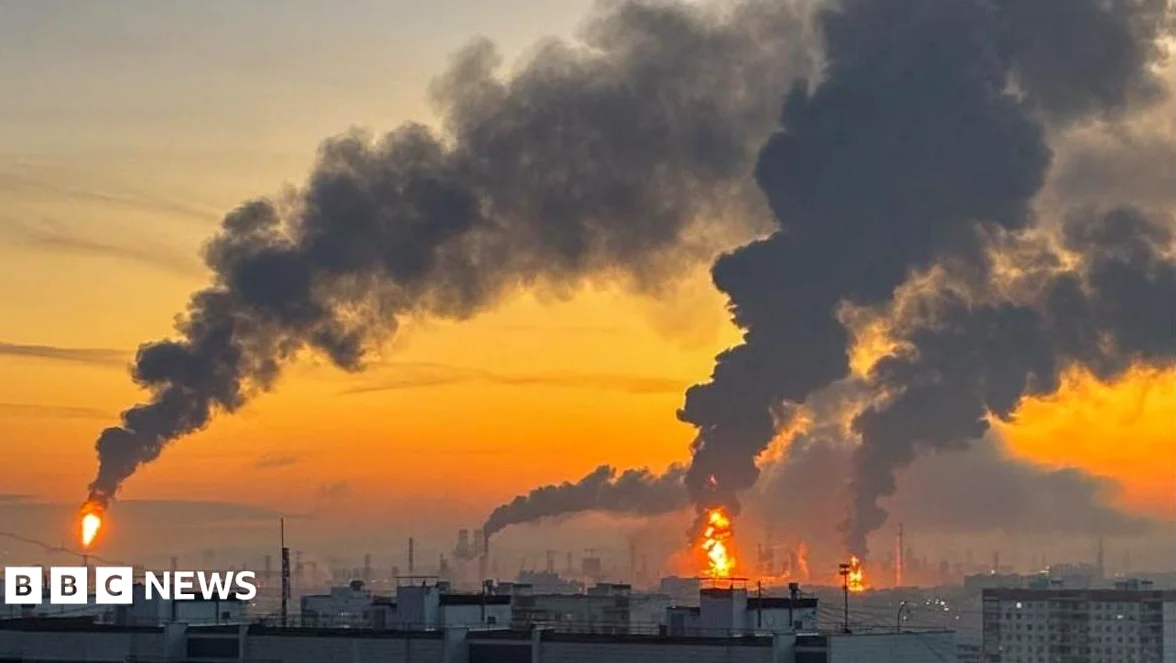
The directive, released Saturday, applies to 17 categories of highly polluting industries identified by the Central Pollution Control Board. That list covers red-category medium and large air polluters, food processing units, textile operations with boilers or thermic fluid heaters, and metal industries using furnaces. Stack emissions fuel high PM levels in Delhi-NCR and help form secondary particulates that worsen smog.
Officials at the commission said the 50 mg/Nm³ limit emerged from Central Pollution Control Board recommendations. Those drew on a study by IIT Kanpur and advice from a CPCB technical committee. The panel deemed the standard technically feasible for the affected sectors.
Large and medium industries face a compliance deadline of August 1. Smaller units get until October 1 to meet the norm. Facilities already operating under stricter limits below 50 mg/Nm³ remain exempt, according to the commission’s press release.
State governments in the NCR—Haryana, Uttar Pradesh, Rajasthan—and the Government of National Capital Territory of Delhi must enforce the rules. Pollution control boards in those areas, plus Delhi’s own committee, will oversee timelines and launch public awareness campaigns.
The commission has pushed emission controls since its start. Past actions required switches to cleaner fuels and set standards for biomass boilers and furnaces. Approved fuel lists also guide operators away from dirtier options.
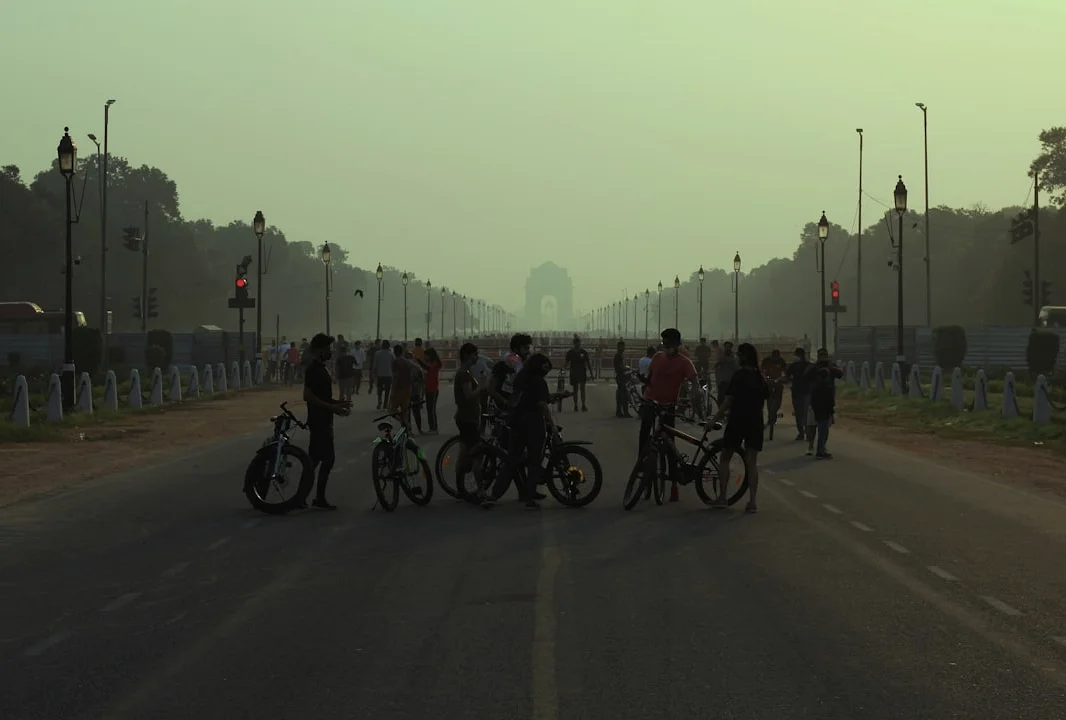
Air quality in Delhi-NCR often ranks among the world’s worst during winter. Industrial emissions compound vehicle exhaust, crop burning and dust to push PM2.5 levels far above safe thresholds. The new limit could slash emissions from factories near residential zones, easing health risks for nearby residents.
Compliance will demand upgrades to pollution control gear like bag filters and electrostatic precipitators. The commission expects broad reductions in PM output, aiding overall air cleanup efforts across the 22,000-square-kilometer region.
Enforcement ramps up as Delhi’s air quality index hovered around 250 this weekend—unhealthy for sensitive groups. The statutory direction carries legal weight, with penalties for violators including fines and unit closures.
Industry groups have not yet commented publicly. Commission chair Rajendra Kumar Phanden signed the order, which builds on 2021 directives tightening boiler emissions to 100 or 150 mg/Nm³ depending on fuel type.
Monitoring will intensify through continuous emission systems linked to CPCB servers. State boards must report progress monthly, ensuring the August and October deadlines stick.





Comments
No comments yet
Be the first to share your thoughts