

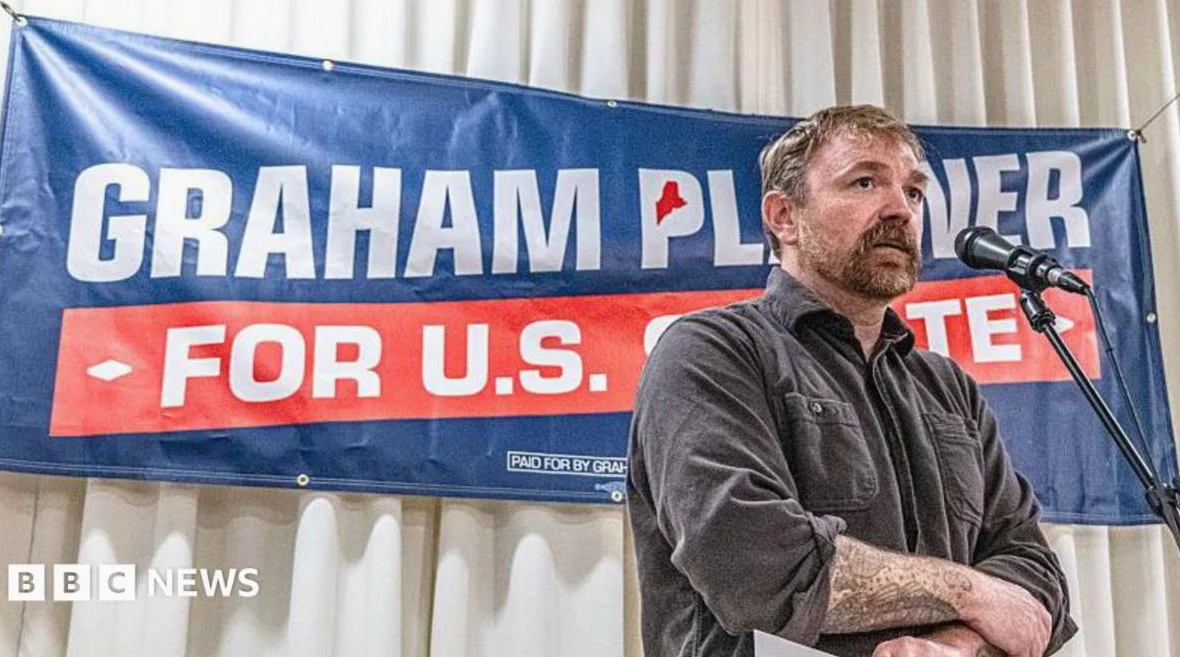
U.S. Senate candidate Graham Platner. Who overwhelmingly secured the Democratic nomination just one month ago, has ended his candidacy, according to Maine Public; his withdrawal from the race now sets up a frantic scramble to replace him on the November ballot.
Allegations and Political Fallout
Platner announced his decision in a defiant video statement, blaming the political establishment for his downfall, according to the report, and he said that the establishment conspired against him and that the political system is not built for normal people. He also denied the allegations of sexual assault against a former girlfriend, which were detailed in a POLITICO report from five years ago.
Platner’s allegations were false and timed to knock him out of the race, he claimed in his statement; he added that he only had until July 13 to remain the nominee, suggesting the timing of the report was intentional. His support from national and local Democrats quickly crumbled after the report, according to the source.
Rapid Rise and First-ever Momentum
Before his suspension, Platner had risen from 1% support to a 33-point lead in the Democratic primary, according to the Seattle Korean Daily — he began his campaign on August 19, 2025, as a political newcomer and built a grassroots organization with over 15,000 volunteers across the state. His campaign held more than 60 town hall meetings and gained significant support through local engagement.
In October 2025, just after Governor Janet Mills announced her candidacy, Platner held a mere 2-point lead. However, by February 2026, according to a New Hampshire University poll, he led 64% to 26%. By March, according to the Maine People’s Resource Center and Emerson University polls, his lead was 61% to 28% and 55% to 28%, respectively.
Replacement and Election Implications
Platner’s withdrawal means the Maine Democratic Party will now decide who will replace him on the November ballot to run against Republican Sen. Susan Collins. The seat is a key battleground for the Democratic Party in its effort to regain a Senate majority. Platner’s exit also leaves a question mark over whether the party can retain the momentum he brought to the race.
Earlier in April, Mills had announced her own withdrawal from the race, citing a lack of financial resources despite the support of Senate Minority Leader Chuck Schumer and the Democratic Senate Campaign Committee. This left Platner as the de facto nominee, with other candidates like David Costello trailing significantly in both fundraising and support.





Comments
No comments yet
Be the first to share your thoughts