

 The New York Times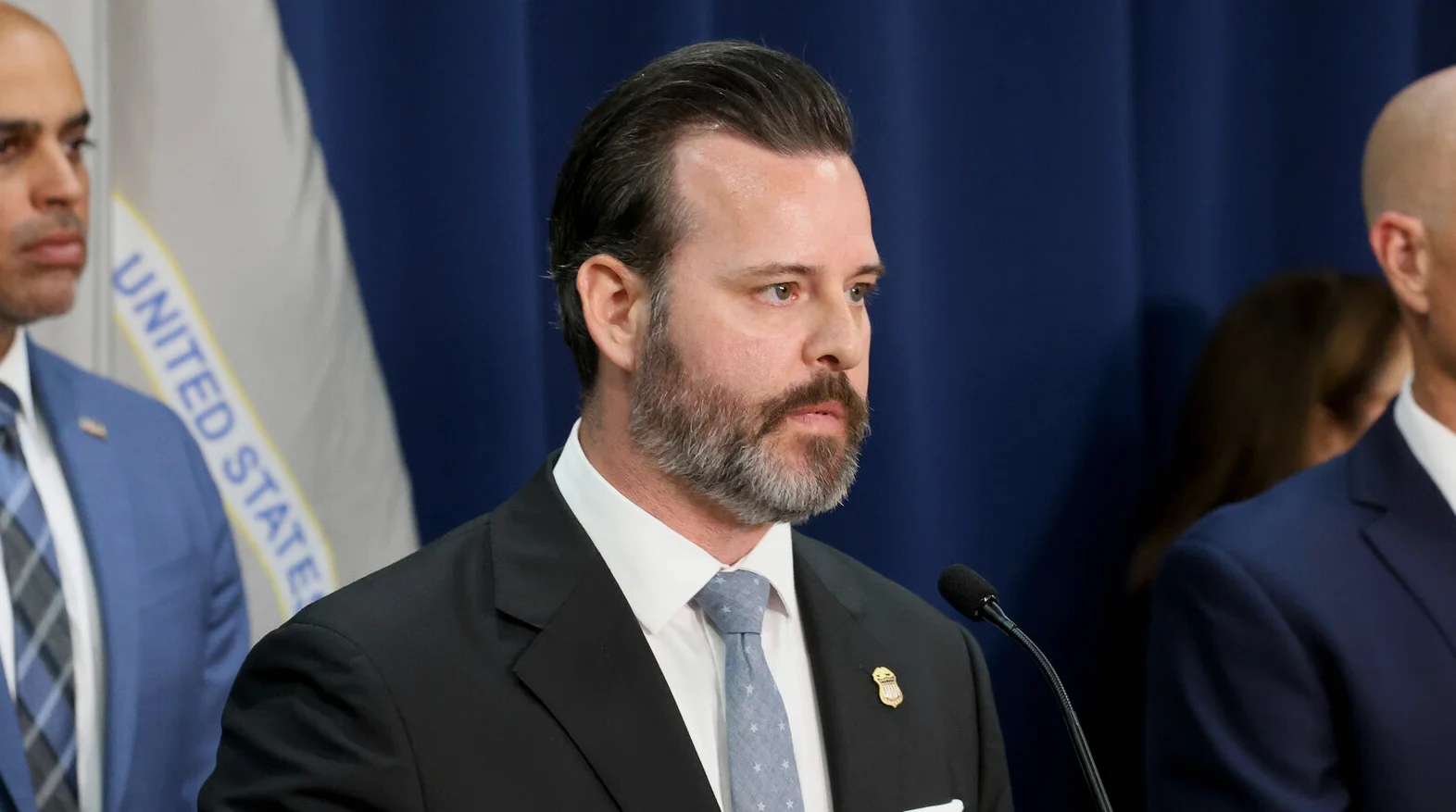
The U.S. attorney in South Florida has ordered a broad-ranging inquiry into Cuba’s leaders and Communist Party officials for alleged drug, immigration, economic, and violent crimes, aiming to secure rapid indictments, according to three individuals familiar with the actions. This move coincides with President Donald Trump’s escalating rhetoric against Cuba’s leadership, including recent remarks suggesting he might attack the island nation after concluding the Iran war.
Legal Precedent and Political Strategy
The potential charges against Cuban leaders could serve as a legal and political justification for military action, similar to the Justice Department’s indictment of Venezuela’s president, Nicolás Maduro, and his wife, Cilia Flores, which was used to justify his capture and extradition. The U.S. attorney leading the new effort in Florida is Jason A. Reding Quiñones, a relatively inexperienced federal prosecutor and Trump loyalist who also oversees a federal investigation into the alleged “grand conspiracy” by Democrats, which Trump has claimed without evidence.
Mr. Quiñones has formed a new working group, including prosecutors in his office, FBI agents, and officials from the Treasury Department, the State Department, the Health and Human Services Department, the Drug Enforcement Administration, and the Bureau of Alcohol, Tobacco, Firearms and Explosives. Mr. Quiñones and his top deputy have met with top department officials in recent weeks to discuss their investigations, according to a senior administration official who spoke on condition of anonymity.
Historical Context and Legal Precedents
If the administration seeks charges against Cuba’s leaders to justify a potential operation similar to that against Maduro, it would represent an extraordinary use of the criminal justice system to advance the White House’s geopolitical agenda. Federal indictments are not typically used as a pretext to remove foreign leaders from office but rather to bring them to justice in American courts.
While highly unusual, Maduro’s abduction from Venezuela by U.S. military forces occurred only after he had been charged five years earlier in a case in New York. Administration officials were able to point to the pre-existing indictment as a rationale for pursuing Maduro as a fugitive from U.S. justice.
Legislative Pressure and Domestic Concerns
Last month, several Republican members of Congress urged the Justice Department to renew its investigation into a 30-year-old incident involving the shooting down by Cuban security forces of planes operated by Cuban exiles in Miami. The incident, which occurred in 1996, resulted in the deaths of four U.S. citizens and remains a contentious issue for many in the Cuban-American community.
Mr. Trump, speaking to reporters on Thursday, stated it was “just a question of time” before Cuba’s Communist leadership was either ousted or pressured to leave, despite the mounting challenges of an uncertain war against Iran that appears to be drifting beyond his stated aim of regime change. “We want to finish this one first,” Mr. Trump said, referring to the Iran conflict.
The Justice Department has not responded to requests for comment on the ongoing investigation. If charges are brought against Cuban leaders, the implications could be significant for both U.S.-Cuba relations and the broader use of the legal system in foreign policy.





Comments
No comments yet
Be the first to share your thoughts