

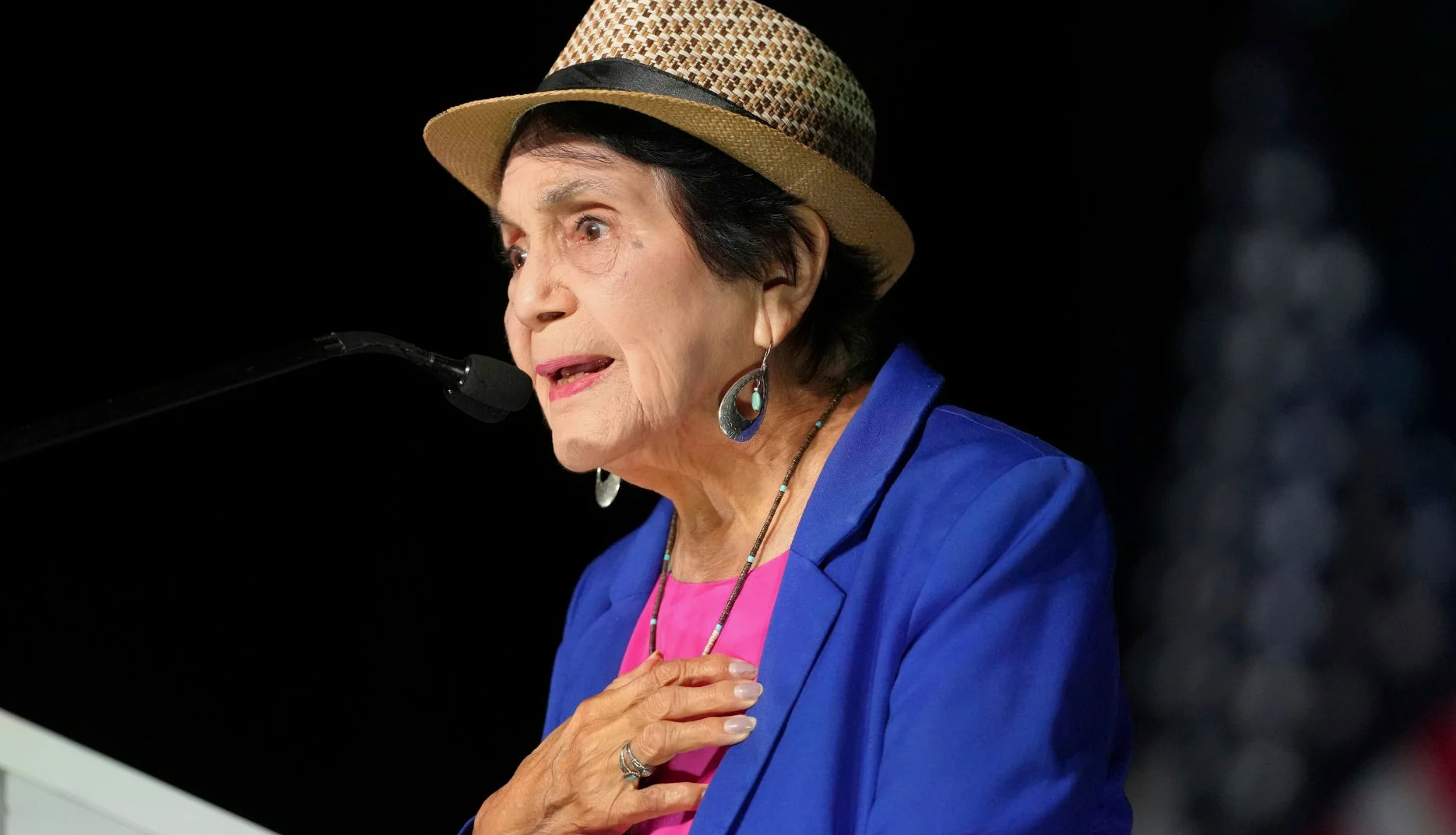
Dolores Huerta, the legendary labor leader and co-founder of the United Farm Workers with Cesar Chavez, has publicly spoken about the sexual abuse she claims she endured at the hands of the late labor icon. In a detailed statement released on March 18, Huerta revealed that Chavez ‘manipulated and pressured’ her into having sex during the 1960s. She also recounted an instance where he ‘forced her to have sex with him against her will, in an environment where she felt trapped.’
Impact on the Labor Movement
Huerta’s revelations come in the wake of a New York Times investigation that uncovered multiple allegations of sexual abuse against Chavez, who is widely revered as a champion of farmworkers’ rights. The allegations have sent shockwaves through the labor movement, forcing a reevaluation of the legacy of one of its most prominent figures. Huerta, who has long been a symbol of resilience and advocacy, now faces the challenge of reconciling the achievements of the movement with the personal failings of its co-founder.
Huerta disclosed that the encounters with Chavez led to pregnancies, which she concealed and arranged for the children to be raised by other families. She revealed that she only recently shared the truth with her children and has since built a stronger bond with them. ‘I had experienced abuse and sexual violence before, and I convinced myself these were incidents that I had to endure alone and in secret,’ Huerta said. ‘I carried this secret for as long as I did because building the movement and securing farmworker rights was my life’s work.’
Huerta’s decision to speak out is significant, as she had previously remained silent about the allegations. The timing of her statement coincides with growing public scrutiny of Chavez’s legacy, following the New York Times report. Her comments are expected to influence ongoing discussions about the ethics and accountability of labor leaders and the broader implications for the movement she helped build.
Survivor’s Perspective and Movement Values
In her statement, Huerta expressed deep sorrow over the harm Chavez caused to others. ‘The knowledge that he hurt young girls sickens me,’ she said. ‘My heart aches for everyone who suffered alone and in silence for years.’ She emphasized that the actions of Chavez do not reflect the values of the farmworker movement, which she described as the collective effort of thousands, not the work of one individual.
Huerta, who has never identified herself as a victim, now sees herself as a survivor of violence, sexual abuse, and the oppressive behavior of men who viewed women as property. ‘I have never identified myself as a victim, but I now understand that I am a survivor — of violence, of sexual abuse, of domineering men who saw me and other women, as property, or things to control,’ she said. Her words underscore the complex intersection of personal trauma and public advocacy.
Huerta has pledged to continue her fight for farmworkers’ rights and the empowerment of women. Her statement also included resources for survivors of sexual violence, directing readers to her official website and the National Sexual Assault Hotline. The Dolores Huerta Foundation offers support and guidance for those affected by abuse, a reflection of her commitment to helping others through her own experiences.
Forward-Looking Implications
The revelations by Huerta are expected to have a lasting impact on the labor movement and the broader conversation around accountability in leadership. Activists and advocates are calling for a reexamination of the legacy of figures like Chavez, who are often celebrated for their contributions to social justice while their personal conduct remains unscrutinized.
Experts suggest that the movement may need to address the historical narrative surrounding Chavez and other labor leaders. ‘This moment is a critical juncture for the labor movement to confront its past and ensure that the values of the movement are not overshadowed by the actions of individuals,’ said one labor historian. ‘It’s about building a more transparent and inclusive future.’
Huerta’s decision to speak out could also influence future legislation and policies related to workplace safety and the protection of workers. The Department of Labor and other agencies may review their approaches to addressing sexual misconduct within the labor sector, particularly in industries where power dynamics are often skewed.
As the movement moves forward, the focus will be on how to honor the achievements of the past while ensuring that the voices of survivors are heard and respected. Huerta’s statement serves as both a personal reckoning and a call to action for the broader community of labor advocates and social justice fighters.
Huerta’s full statement, available in both English and Spanish, can be accessed on her Medium page. Survivors of sexual violence can find additional resources and support through the Dolores Huerta Foundation and the National Sexual Assault Hotline, which operates 24/7 and provides assistance to those in need.





Comments
No comments yet
Be the first to share your thoughts