

 BBC
BBC 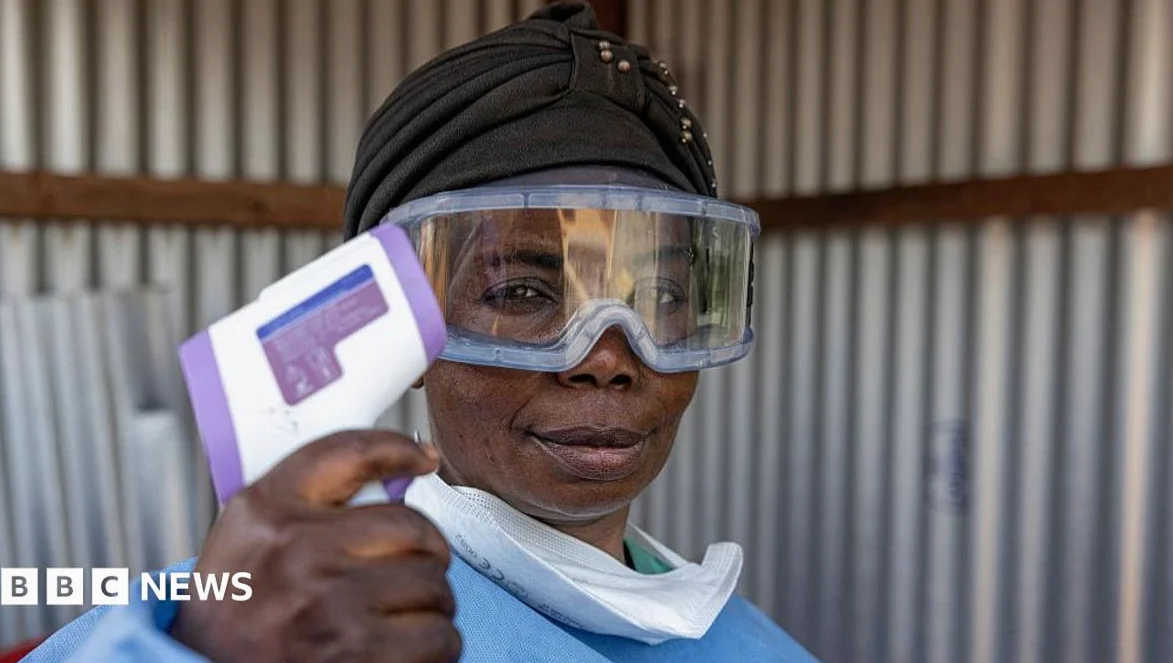
The Democratic Republic of Congo has banned mass gatherings in the capital, Kinshasa, to prevent the spread of the Ebola virus. The order was issued by Interior Minister Jacquemain Shabani on Saturday, following a spike in infections that pushed the total confirmed cases to 1,274 and deaths to 360. The ban extends to areas already affected by the outbreak in Ituri, North Kivu, and South Kivu provinces.
Opposition Figures Condemn the Ban
Political figures have criticized the decision, calling it illegitimate and politically motivated. Rodrigue Ramazani, secretary-general of the opposition party Envol, urged protesters to defy the ban, saying the directive “reeks of a political manoeuvre rather than a public health measure.” He spoke out against the order after a planned demonstration by the C64 coalition, an alliance opposing a proposed law critics claim would allow President Felix Tshisekedi to extend his time in office beyond the two-term limit.
Travel Restrictions and Cross-Border Risks
The government also imposed a 21-day quarantine on travelers arriving from Ebola-affected areas. The decision came after a doctor who tested positive for Ebola in France passed through Kinshasa as he returned home from one of the outbreak’s epicenters. The health ministry reported that the outbreak remains confined to Ituri, North Kivu, and South Kivu provinces, with Ituri accounting for over 90% of all infections. Meanwhile, neighboring Uganda has confirmed 20 Ebola cases and two deaths, according to the World Health Organization.
Political Tensions Amid Health Crisis
The ban has intensified political tensions ahead of an upcoming demonstration organized by the C64 coalition. The group’s planned protest, which was scheduled for Monday, highlights growing concerns over proposed constitutional changes that critics fear could undermine democratic safeguards. The government has not publicly responded to the criticism of the gathering ban.





Comments
No comments yet
Be the first to share your thoughts