

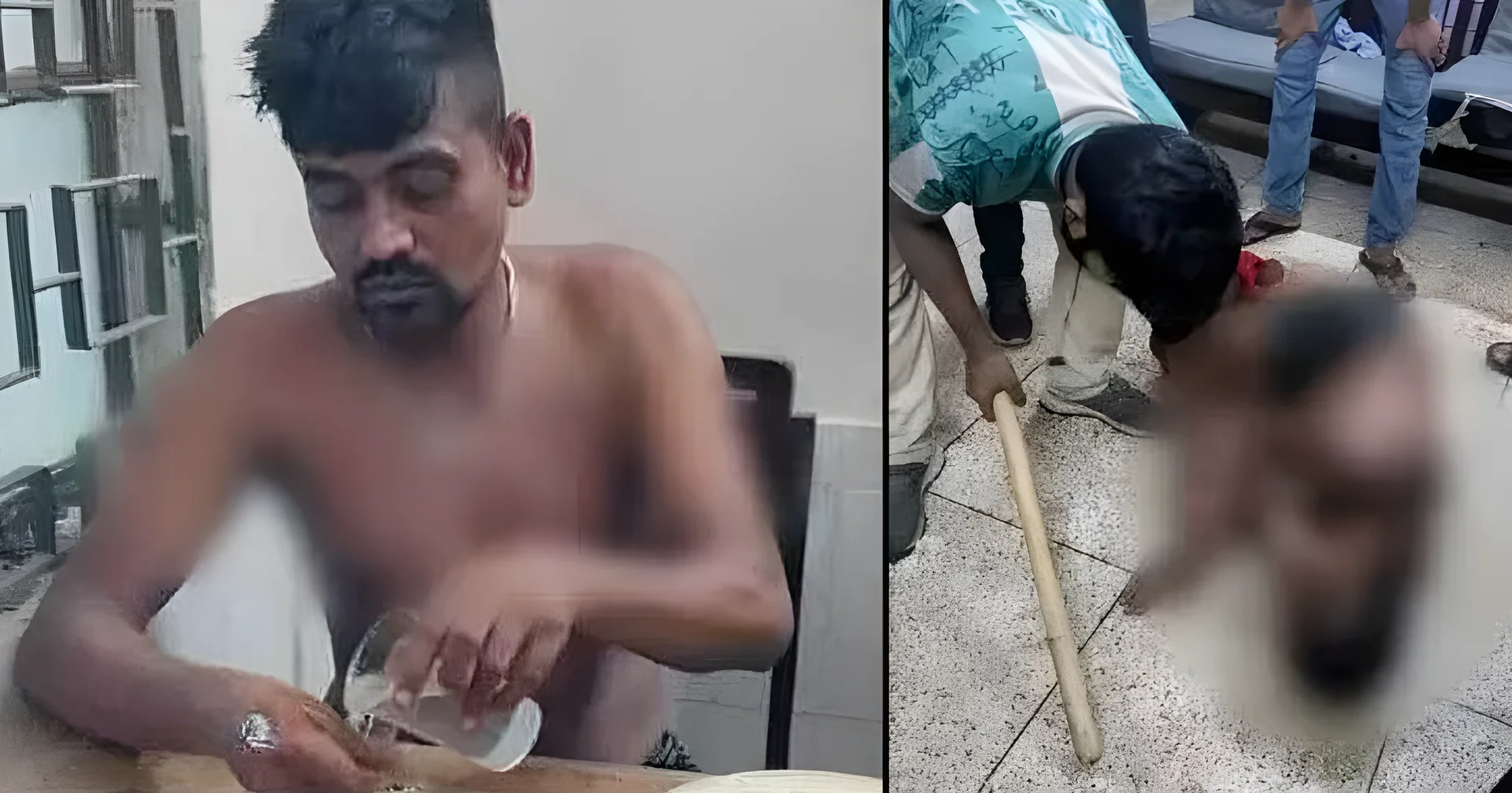
Rashed Kamal Anik, a student accused of the killing of Tofazzal Hossain, appeared at the Dhaka Metropolitan Magistrate Court on Sunday through his lawyer seeking to surrender in the case. However, court sources confirmed that Anik left the court premises before the hearing on his surrender petition began. His sudden departure has raised questions about the legal process and the accountability of those involved in the brutal incident.
The Brutal Lynching and Its Aftermath
The incident dates back to around a year and a half ago when Tofazzal Hossain, a mentally unstable youth, was beaten to death by a group of students at Fazlul Haque Hall of Dhaka University. The students suspected him of theft after they spotted him moving suspiciously near the gate of the hall. They took him to the hall’s guest room, where he was allegedly assaulted with cricket stamps, hockey sticks, and batons.
According to the case documents, Tofazzal was first slapped and later tied to a window in the guest room of the hall’s south building. He fell unconscious due to the beating and was taken to Dhaka Medical College Hospital around midnight. The doctor on duty declared him dead, marking the end of a tragic and senseless act of violence.
The day after the incident, on September 19, Mohammad Amanullah, the supervisor of the university’s estate office, filed a murder case with Shahbagh Police Station. The case initially involved 21 accused students, but after a fresh probe ordered by the Dhaka Metropolitan Magistrate Saifuzzaman, the number of accused increased to 28, with seven additional individuals being added to the case.
Legal Proceedings and Continued Absconding
On March 10, the court accepted the charge sheet in the murder case and issued arrest warrants against 22 accused students who remain absconding. While some of the accused are currently on bail or in custody, most of the suspects are still at large, complicating the pursuit of justice.
Inspector Md Asaduzzaman of Shahbagh Police submitted the initial charge sheet to the court on December 30 last year, accusing 21 Dhaka University students. However, the university authorities raised objections, claiming the investigation had not been conducted properly. This led to the Dhaka Metropolitan Magistrate ordering a fresh probe, which was assigned to the Police Bureau of Investigation (PBI).
After the reinvestigation, Hannanul Islam, additional superintendent of police of the PBI, submitted a new charge sheet to the court on December 15, accusing a total of 28 people. The inclusion of seven additional individuals highlighted the complexity and scale of the case, as well as the need for a more thorough investigation.
Impact on Justice and Public Trust
The case has sparked widespread concern about the administration of justice in Bangladesh, particularly in cases involving students and university authorities. The fact that one of the accused has now fled the court after seeking to surrender adds to the perception that some individuals may be avoiding accountability.
Legal experts have pointed out that the delay in the legal proceedings and the continued absconding of some suspects may hinder the pursuit of justice. The incident has also raised questions about the role of university authorities in ensuring the safety of its students and the adequacy of the legal framework in dealing with such crimes.
According to a report by the Bangladesh Legal Aid and Services Trust, such cases often face challenges due to the lack of proper evidence, witness protection, and the difficulty in tracing absconding suspects. The lynching case has become a symbol of the broader issues surrounding campus safety and the legal system’s ability to deliver justice in sensitive cases.
The case has also drawn attention to the treatment of mentally unstable individuals in society. Tofazzal Hossain was suspected of theft, but there is no evidence to suggest he was actually involved in any criminal activity. His death has raised concerns about the way such individuals are perceived and treated in public spaces.
The Dhaka Metropolitan Magistrate Court is expected to hold a hearing on the surrender petition of Rashed Kamal Anik soon. However, the absence of Anik at the court has already created uncertainty about the next steps in the legal process. His sudden departure has also raised questions about the credibility of the legal proceedings and the possibility of further absconding by other suspects.
As the case continues to unfold, the focus remains on ensuring that justice is served for Tofazzal Hossain and his family. The incident serves as a grim reminder of the need for greater awareness, legal reforms, and a more strong system to protect vulnerable individuals from such senseless acts of violence.






Comments
No comments yet
Be the first to share your thoughts